Trump Ally’s Lawsuit Faces Tough Judge, Doubts
Cash Patel's $250 million defamation lawsuit against The Atlantic faces a tough challenge with Judge Emmet Sullivan presiding. The case centers on allegations of alcoholism and duty neglect, which The Atlantic stands by. Patel must prove "actual malice" for his case to succeed.

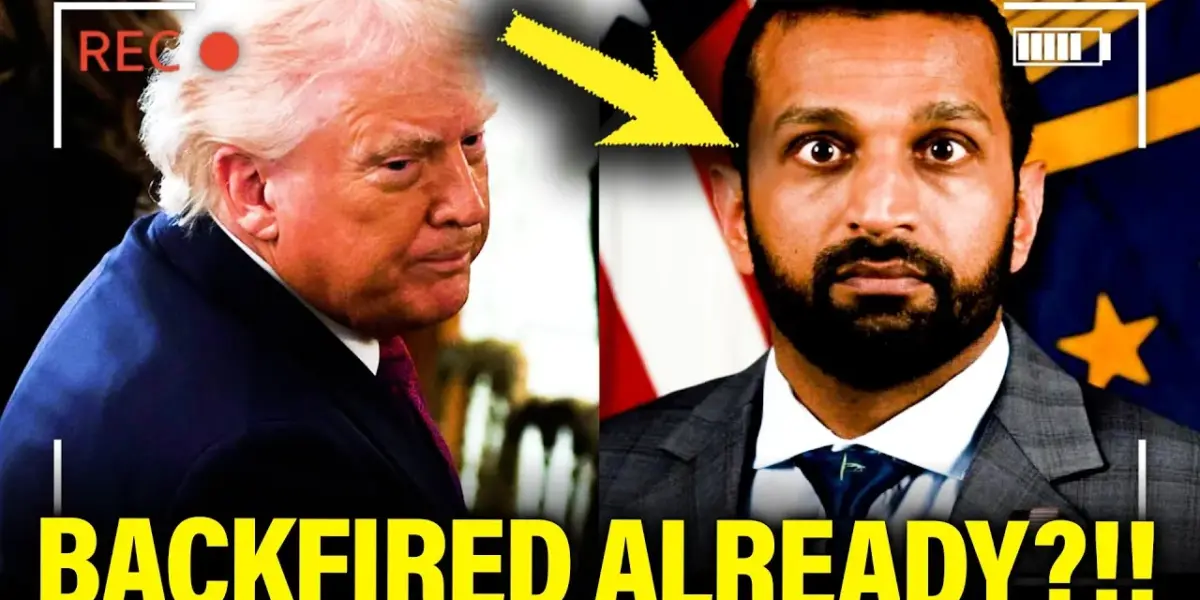
Trump Ally’s Lawsuit Faces Tough Judge, Doubts
Cash Patel, a former FBI official and ally of Donald Trump, has filed a $250 million defamation lawsuit against The Atlantic magazine. Patel is suing over an article published in April that accused him of struggling with alcoholism and neglecting his duties. The lawsuit, however, has landed in the court of Judge Emmet Sullivan, a senior judge known for his no-nonsense approach, especially concerning the Department of Justice.
Judge Sullivan, appointed by President Clinton, has a reputation as an independent jurist who doesn’t tolerate what he sees as frivolous claims. Legal experts suggest this appointment could make it difficult for Patel’s case to move forward. The Atlantic, meanwhile, is reportedly preparing a strong defense and a motion to dismiss the lawsuit, asserting they stand by their reporting.
Allegations Surface Amidst Legal Battle
The Atlantic’s article, which The Atlantic states is well-sourced and vetted by lawyers, detailed allegations about Patel’s alleged drinking habits. It claimed he frequents bars and lounges in Washington D.C.
And Las Vegas, sometimes to the point of intoxication. The report further suggested that his alleged alcoholism could compromise national security, making him vulnerable to exploitation by adversaries.
These accusations, if true, paint a picture of professional misconduct. The article also included claims that meetings had to be rescheduled due to Patel’s alleged intoxication and that he once had a meltdown after being locked out of his computer, fearing he had been fired. The Atlantic’s brief statement, “We stand by our reporting on Cash Patel and we will vigorously defend the Atlantic and our journalists against this meritless lawsuit,” shows their confidence.
Patel’s Defense and Public Appearances
Patel’s defense seems to hinge on presenting himself as a capable and effective leader during his tenure. The lawsuit lists accomplishments he claims to have overseen at the FBI. However, critics point to his public appearances, including congressional hearings, as evidence that contradicts this image.
A clip from a hearing shows Patel struggling to answer questions about the Jeffrey Epstein investigation, appearing defensive and deflecting inquiries about releasing evidence. He cited court orders and legal procedures, but was pressed by lawmakers who questioned his transparency and competence. This exchange has been used by critics to cast doubt on his assertions of effective leadership.
The Role of Judge Sullivan
Judge Sullivan’s past rulings offer insight into how he might handle this case. He presided over the case involving former National Security Advisor Michael Flynn, questioning the Justice Department’s attempt to dismiss the indictment. He also sentenced Roger Stone, a longtime Trump associate, though his sentence was later commuted by President Trump.
Sullivan’s history suggests he is not easily swayed by political pressure and expects parties to present strong legal arguments. For Patel’s lawyers, this means they will likely need to provide substantial evidence to counter The Atlantic’s reporting and prove actual malice, a high bar in defamation cases involving public figures.
Legal Strategy and Potential Outcomes
The Atlantic is expected to file a motion to dismiss the case quickly. They may also seek a swift deposition of Cash Patel, aiming to gather testimony under oath that could support their motion for summary judgment. This process could potentially end the case early.
A key legal challenge for Patel will be proving “actual malice.” As a public figure, he must show that The Atlantic knew its reporting was false or acted with reckless disregard for the truth. The magazine’s defense will likely focus on the thoroughness of their reporting process, including consultations with lawyers and fact-checkers, and the credibility of their sources.
Why This Matters
This case highlights the tension between public figures seeking to protect their reputation and the press’s role in reporting on matters of public interest. The outcome could influence how defamation lawsuits are pursued by public figures and how media organizations defend their reporting.
It also raises questions about accountability for individuals in positions of power. The allegations against Patel, if substantiated, could have significant implications for national security and public trust in government institutions. The legal process will now scrutinize these claims and defenses.
Implications and Future Outlook
The legal battle between Cash Patel and The Atlantic is likely to be closely watched. The decision on the motion to dismiss, and any subsequent proceedings, will set a precedent. If the case proceeds, Patel’s deposition could reveal more details about the allegations.
The future outlook suggests that Patel’s lawsuit faces significant hurdles, particularly given the judge assigned and the legal standards for defamation. The Atlantic’s confidence implies they believe their reporting is sound and defensible. The case is expected to unfold over the coming months, with potential for an early resolution.
The next step will likely be The Atlantic’s formal response to the lawsuit, including their motion to dismiss. This filing will outline their legal arguments and set the stage for Judge Sullivan’s initial review of the case.
Source: Trump FBI Director Gets INSTANT KARMA in LAWSUIT (YouTube)

Related Articles

Trump Kept Out of War Plans Amid U.S. Casualties
Former President Donald Trump was reportedly excluded from critical mission planning related to the Iran conflict due to concerns about his judgment. This decision occurred amidst U.S. casualties, drawing criticism regarding Trump's war prosecution. The exclusion highlights deep-seated concerns among advisors about his strategic decision-making.


CIA Agents Die in Mexico Crash After Cartel Mission
Two US embassy officials, reportedly working for the CIA, died in a car crash in northern Mexico after a mission to dismantle a drug lab. Mexican President Claudia Sheinbaum has launched an investigation to determine if any national security laws were broken during the operation. The incident highlights the challenges and complexities of US counter-narcotics efforts in Mexico.


US Military’s Missile Stockpile Dangerously Low After Iran Conflict
The U.S. military has significantly depleted its missile stockpiles during recent conflict with Iran, raising concerns about national security. Experts warn of a near-term risk of running out of ammunition in future conflicts, with some replacements taking up to six years.