NATO Chief’s ‘Daddy Diplomacy’ Sparks Debate Amid Trump Tensions
NATO Secretary General Mark Rut's "daddy diplomacy" aims to keep the U.S. in the alliance by appeasing Donald Trump. However, critics argue this approach is ineffective against a "bully" and that a more assertive stance is needed. Other leaders have also tried personal diplomacy with Trump, with mixed results, while some advocate for smaller nations to unite against larger powers.

NATO’s Top Official Faces Scrutiny Over Trump Approach
Mark Rut, the new Secretary General of NATO, has adopted a unique strategy to keep the United States committed to the alliance. He has openly praised President Donald Trump, calling his leadership “bold” and “visionary.” This approach, dubbed “daddy diplomacy” by some, aims to appease the former U.S. president. Rut even recounted Trump’s amused reaction to “daddy”-themed merchandise, suggesting a personal rapport.
However, this strategy faces significant criticism. Critics argue that trying to accommodate a “bully” like Trump, or even leaders like Russia’s Putin, only encourages more aggressive behavior.
They believe appeasement does not work and will lead to greater demands and pressure in the future. This raises questions about the long-term effectiveness of Rut’s tactics.
Trump’s Criticism and Demands of NATO
Despite Rut’s efforts, President Trump has been highly critical of NATO. He has called the alliance a “paper tiger” and described its members as “useless and cowards.” Trump’s frustration reportedly stems from European leaders’ refusal to support U.S.-led attacks on Iran. He has even suggested that quitting NATO is “beyond reconsideration.”
Trump’s personal feelings towards Rut seem positive, but this fondness has not extended to the alliance itself. The U.S. president’s stance puts Rut in a difficult position. He must balance Trump’s demands with the collective interests of the NATO member states.
Other Leaders’ Attempts to Woo Trump
Rut is not the only world leader who has tried to curry favor with Trump. British Prime Minister Keir Starmer offered royal invitations, hoping to leverage the “special relationship” with the U.S. However, this relationship has reportedly soured. French President Emmanuel Macron employed “handshake diplomacy,” but Trump has publicly mocked Macron, even targeting his personal life.
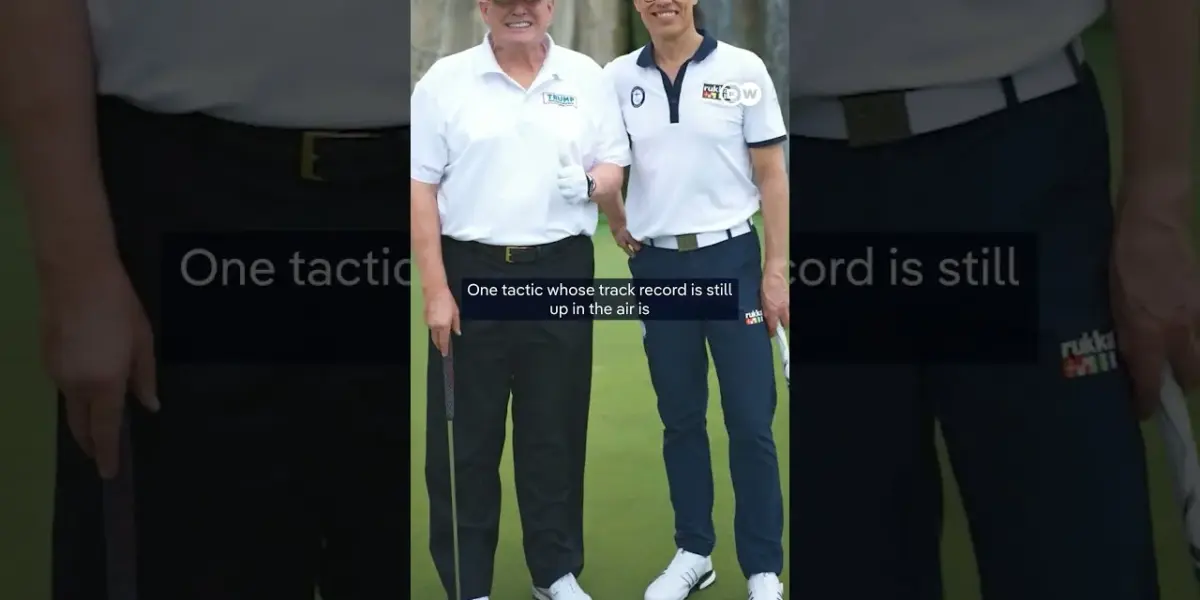
Another tactic, “golf diplomacy,” was used by Finnish President Alexander Stubb. Stubb reportedly became a confidant of Trump and was even able to influence Trump’s views on Russia and Ukraine. This suggests that personal relationships can sometimes have an impact, though the overall success remains debatable.
Alternative Strategies for Smaller Nations
In contrast to appeasement, Canadian Prime Minister Mark Carney advocates for a different approach. Carney has consistently refused to simply “go along to get along” with the U.S. He urges “middle powers” to unite and stand firm against larger nations. This strategy focuses on defining independent priorities and pursuing them assertively.
Gerinda Neos, a former NATO official, agrees with this more direct approach. She advises European leaders to abandon “Trump whispering” and speak out forcefully.
Neos believes that defining principles and interests, and pursuing them with a degree of “hardball,” is the language Trump understands. This suggests a need for a more confident and unified European stance.
The Future of NATO’s Relationship with the U.S.
The effectiveness of Rut’s “daddy diplomacy” is still being tested. While it may have fostered a personal connection with Trump, it has not fundamentally changed his critical view of NATO. The alliance faces the challenge of maintaining U.S. commitment while upholding its core values and principles.
As tensions continue, NATO members must consider their long-term strategy. The debate over appeasement versus assertive diplomacy is likely to intensify. The coming months will reveal whether Rut’s approach can secure the U.S. partnership or if a more direct stance is necessary to protect the alliance’s future.
Source: Is “Daddy diplomacy” failing NATO? | DW News (YouTube)

Related Articles
Trump Ranks NATO Allies Over Iran Stance
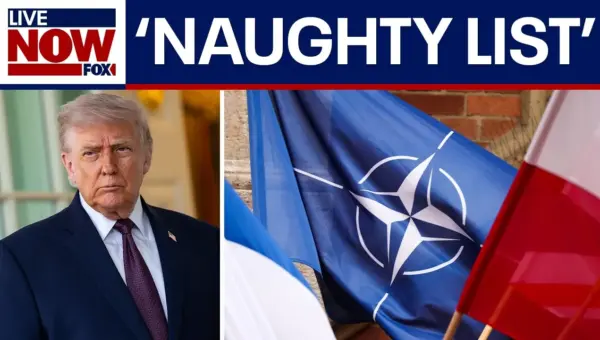
The White House is reportedly categorizing NATO allies into 'naughty' and 'nice' lists based on their support for U.S. actions regarding Iran. This strategy could lead to the repositioning of U.S. troops and bases away from countries deemed uncooperative. The move aims to reward allies who align with U.S. interests, particularly in the Middle East, while potentially isolating those who do not.

Republicans Cry Foul on Redistricting They Started
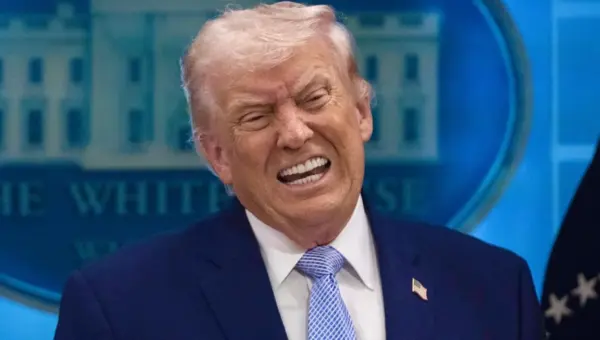
Donald Trump's claims of a "rigged election" in Virginia reveal a Republican party unwilling to accept electoral losses when they don't benefit. This analysis argues that Democrats are now fighting back against partisan gerrymandering, a tactic long used by Republicans, to level the playing field and ensure fairer representation.

Trump’s Approval Plummets to New Lows Amidst War and Economic Woes
Recent polls indicate a sharp decline in Donald Trump's approval ratings, with some figures dipping below his post-January 6th numbers. This drop coincides with rising gas and food prices and ongoing conflict in Iran, fueling public discontent. Despite attempts to manipulate election maps, voter-led initiatives in states like California and Virginia are pushing back against gerrymandering.