Iran Faces Economic Collapse Amid Blockade
The U.S. is applying significant economic pressure on Iran through a sustained blockade, aiming to force a favorable deal. Iran's strategy of delaying negotiations appears to be a miscalculation, as the U.S. signals a readiness to take decisive action if talks falter. The blockade is expected to cause severe economic hardship, potentially leading to internal instability.

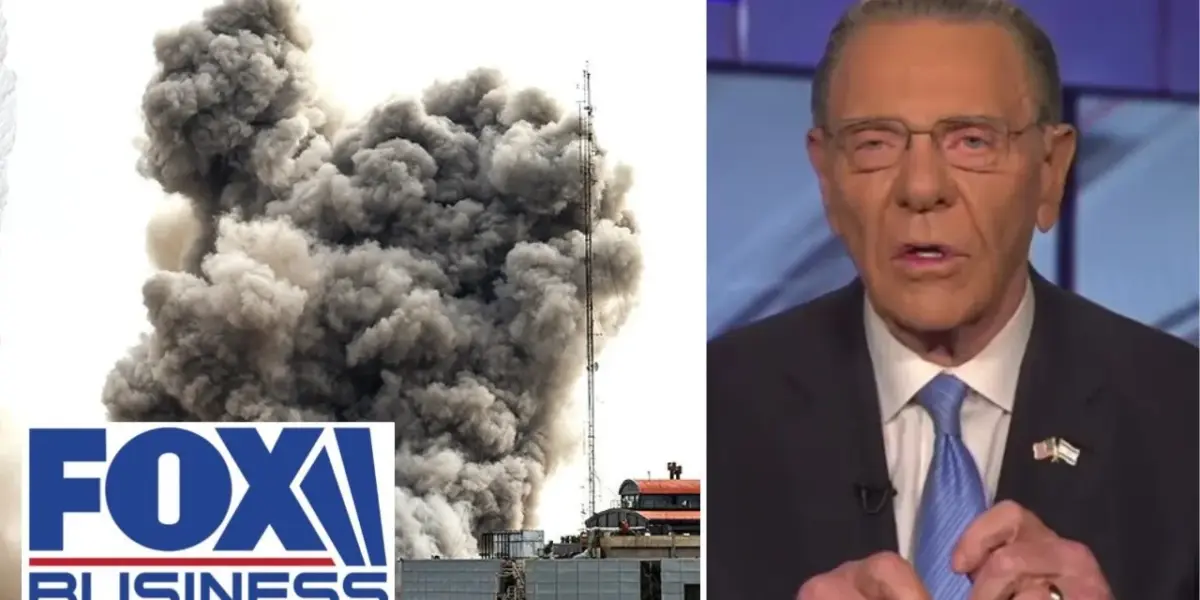
Iran Faces Economic Collapse Amid Blockade
Presidential statements indicate no rush to finalize a ceasefire deal with Iran, emphasizing a focus on a “good deal for the American people.” The President stated the blockade is more concerning to Iran than ongoing bombing, a sentiment that has shifted the dynamics of negotiations. This suggests a strategic move by the U.S. to apply sustained economic pressure rather than seeking a swift resolution.
Iran’s approach to the ceasefire negotiations appears to be centered on extending the timeline, believing that political and economic pressure on the U.S. was key to achieving the initial pause in hostilities. Their strategy seems to be a calculated effort to prolong the situation, anticipating that increased delays will make the U.S. hesitant to resume combat operations. This tactic relies on the assumption that time is on their side, allowing them to consolidate gains and potentially weaken the resolve of the U.S. administration.
Iran’s Miscalculations and U.S. Resolve
General Jack Keane suggests that Iran has repeatedly underestimated the U.S. President’s willingness to act decisively. During a recent 12-day conflict, Iran reportedly miscalculated that the President would not fulfill his promise to dismantle their nuclear program, a significant portion of which was largely destroyed. This destruction, with some elements still under scrutiny, highlights the effectiveness of U.S. military action when deemed necessary.
Iran may have misjudged the President’s response to casualties, expecting a different reaction even amidst significant losses and damage to their nuclear infrastructure. Their commitment to their objectives, including military recovery, alerted both the Prime Minister and the President to the ongoing threat. This situation points to a potential pattern of miscalculation by Iran, where they bet on de-escalation while the U.S. prepares for decisive action if negotiations fail.
General Keane believes the U.S. is on the verge of another Iranian miscalculation. He asserts that Iran is banking on the U.S. administration’s reluctance to re-engage in combat, a gamble he believes will fail. Keane is confident that the President will take action if a satisfactory deal is not reached, suggesting that key Iranian leadership figures are primary targets.
The Blockade’s Impact
The ongoing blockade is described as a significant strategic asset for the U.S., inflicting severe economic and financial punishment on Iran. This pressure is designed to erode Iran’s capabilities over time, with a long-term outlook pointing towards potential economic collapse. Actions like a strike on Kharg Island could accelerate this process, but the blockade offers a slower, sustained method of weakening the regime.
The blockade is expected to create substantial compensation problems for hundreds of thousands of individuals supporting the regime. This economic strain could lead to internal fractures and divisions within Iran, questioning where loyalties truly lie. The potential for public unrest fueled by economic hardship is a significant factor being considered.
U.S. Control and Iranian Resilience
The U.S. maintains a dominant position in the region, controlling both sea and air access to Iran. This control ensures a near 100% blockage of external assistance reaching Iranian ports. While a ceasefire is in effect, the U.S. also monitors airspace, allowing for management of any incoming or outgoing traffic.
This economic squeeze is considered more severe than previous sanctions, amplifying the pressure on Iran. Despite this, the resilience of the Iranian people and their willingness to endure hardship should not be underestimated. Regimes can appear strong until they suddenly collapse, a pattern observed in historical contexts.
Assessing the Damage and Future Pressure Points
Iran has had two weeks to assess the military damage and its impact on their recovery capabilities. This period has provided a clearer view of the destruction to their manufacturing, ballistic missile, drone, and launch systems. The effectiveness of U.S. actions has significantly degraded these capabilities, adding another layer of pressure beyond the initial bombing campaign.
The economic starvation caused by the blockade is expected to strain civilian resources, impacting food supplies and the value of the currency. This could eventually lead to widespread discontent among the civilian population against the ruling regime. While predicting the exact timing of such a response is difficult, ensuring accountability for the regime’s treatment of its citizens should be part of any future deal.
Intelligence agencies are believed to have a better understanding of the potential for civilian unrest within Iran. The population is likely waiting to see the outcome of negotiations and the potential return to combat operations. Their desire is for the regime to be economically crippled, potentially pushing them to the brink and leading to public demonstrations.
Source: Gen Keane: We are on the VERGE of something… (YouTube)

Related Articles

Iran Faces $160 Billion Annual Loss From U.S. Blockade
Iran faces crippling economic pressure from a U.S. naval blockade, costing an estimated $450 million daily. This financial strain threatens Iran's ability to meet basic expenses and fund its government. The U.S. demands unconditional surrender, including halting nuclear activities and opening key shipping lanes.


Russia Poses Greater Threat Post-Ukraine War, Expert Warns
A new report warns that Russia may become more dangerous and unpredictable after the war in Ukraine, potentially ushering in a new era of confrontation with Europe. Despite military and economic weakening, Russia's vast resources, strategic mindset, and China's support contribute to its continued threat. Europe faces a critical period of vulnerability as it works to bolster its defenses and adapt to this evolving security landscape.


US Demands Force Cuba’s Hand
The Trump administration has presented Cuba with a list of demands, including political prisoner releases and compensation for past nationalizations. A deadline of April 24th has been set, after which unspecified actions may be taken by the U.S. This situation carries significant geopolitical and regional stability implications.