Iran Faces New Miscalculation Risk as US Signals Action
Iran may be poised for another significant miscalculation regarding U.S. resolve, based on past instances of underestimating American action. The situation involves renewed diplomatic talks with potentially unchanged hardline leadership, raising concerns about continued ideological commitment to Iran's objectives.

Iran Faces New Miscalculation Risk as US Signals Action
Recent statements from U.S. leadership suggest Iran may be on the verge of another significant miscalculation regarding American resolve. This comes after Iran previously underestimated the President’s willingness to act decisively in past geopolitical confrontations.
Intelligence indicates Iran has a history of misjudging U.S. responses, particularly concerning its nuclear program. In a prior 12-day conflict, Iranian leaders reportedly did not anticipate the President fulfilling a promise to dismantle their nuclear facilities. Much of this infrastructure was indeed destroyed, with remnants still being monitored.
Iran also miscalculated the U.S. reaction to the killing of tens of thousands of its own citizens. Instead of expecting retaliation, they anticipated U.S. assistance in addressing the ruling regime. This misjudgment occurred even as Iran recommitted to its strategic objectives and worked to recover militarily after the nuclear site damage.
New Dangers Emerge
The current situation points to a potential repeat of these miscalculations. Iranian leadership appears to be betting that protracted negotiations will lead the U.S. to avoid taking further action. However, U.S. officials believe the President is prepared to act if necessary.
A key concern is that Iran’s current negotiators may be dealing with new leaders who remain deeply ideological. While faces and positions may have changed within the Iranian government, their core commitment to the nation’s objectives and goals appears unchanged. This suggests a continuity in the underlying ideology driving their actions.
Market Impact
Geopolitical tensions, especially those involving major energy producers and global security, can significantly impact financial markets. While this transcript does not provide specific market data, an escalation of conflict or a breakdown in diplomatic efforts could lead to increased oil price volatility. Disruptions to global trade routes or shifts in investor sentiment towards riskier assets could also occur.
Investors often react to perceived instability by moving capital towards safer investments, such as government bonds or gold. Conversely, sectors tied to defense or cybersecurity might see increased interest depending on the nature of any potential U.S. action. The long-term implications depend heavily on the diplomatic outcomes and the stability of the region.
What Investors Should Know
Understanding the dynamics of international relations is crucial for investors. Miscalculations in geopolitical arenas can have ripple effects across various asset classes. For instance, a sudden increase in oil prices, often a byproduct of Middle East tensions, can raise inflation concerns and impact consumer spending and corporate profits across many industries.
The situation highlights the importance of staying informed about global events that could influence economic conditions. Investors should consider how potential geopolitical shifts might affect their portfolios. This includes monitoring developments in the energy sector, international trade, and the broader economic outlook, which are all sensitive to regional stability.
The U.S. has previously demonstrated a willingness to enforce its policies through direct action when diplomatic channels fail. This stance, coupled with Iran’s apparent pattern of underestimating such resolve, creates an environment of uncertainty. The coming weeks will likely be critical in determining whether diplomatic engagement or decisive action will shape the immediate future.
The world watches closely as these diplomatic and potential military strategies unfold. The outcome will not only affect regional stability but could also send ripples through global financial markets, influencing commodity prices, currency valuations, and investor confidence.
Source: Gen Keane: We're on the verge of another miscalculation #shorts (YouTube)

Related Articles

US Sanctions Cripple Iran: Regime on Financial Brink
Intense U.S. economic sanctions have pushed Iran to the brink of financial collapse, crippling its military and weakening its currency. Divisions within the Iranian regime are widening, exposing leadership struggles. This strategy aims to force negotiations or lead to the regime's downfall.
US Strategy: Blockade Iran, Avoid War in Gulf
Admiral Robert Harwood outlines a U.S. strategy focused on economically pressuring Iran to ensure free passage through the Strait of Hormuz. The approach prioritizes avoiding military conflict while addressing Iran's nuclear ambitions and regional threats.

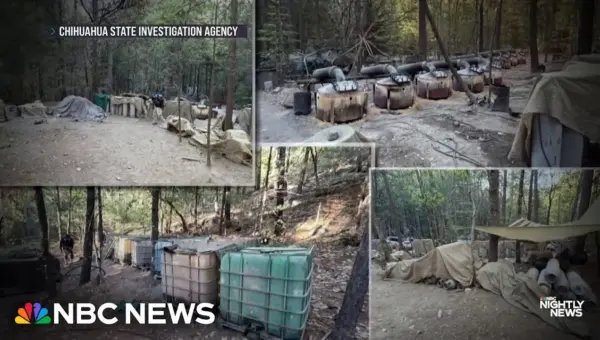
CIA Officers Die in Mexico After Drug Raid
Two CIA officers and two Mexican officials died in a car crash following a drug lab raid in northern Mexico. The incident has prompted Mexico's President to promise a thorough investigation and question the nature of U.S. involvement. The deaths occur amid heightened U.S. pressure on Mexico to combat drug cartels.