US Military Runs Bitcoin Node, Price Surges Amid Negative Funding
The U.S. military has confirmed it's running a Bitcoin node for network security tests. Meanwhile, Bitcoin's price is surging despite negative funding rates, a sign that short sellers are paying heavily to bet against the rally. Institutions are also diversifying, with Ethereum gaining traction as a productive asset.

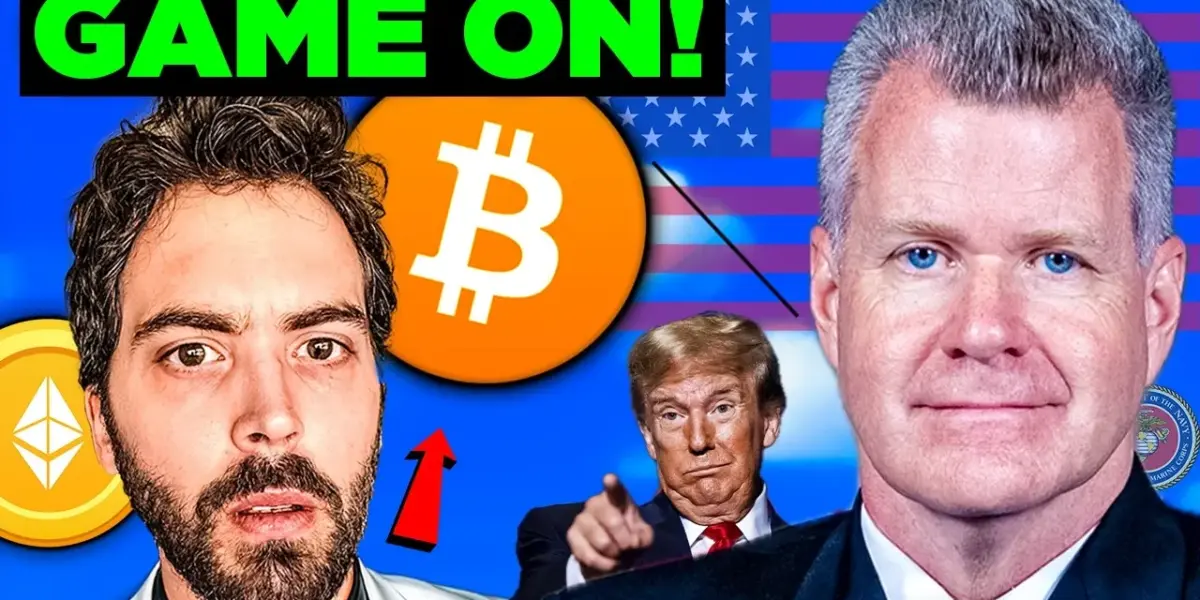
US Military Confirms Bitcoin Node Operation Amid Price Rally
The U.S. military has confirmed it is operating a node on the Bitcoin network as part of ongoing tests for network security. This revelation comes as Bitcoin experiences a significant price surge, even as trading indicators suggest unusual market conditions. Analysts are highlighting the contrast between rising prices and deeply negative funding rates, a sign that traders betting on a price drop are paying a premium to maintain their positions.
Admiral Paparo, a four-star admiral, testified before Congress about Bitcoin’s potential as a tool for national security. He stated, “We have a node on the Bitcoin network right now.
Operational tests are already underway. Bitcoin is being explored for its network security.” This indicates a strategic interest in the underlying blockchain technology, focusing on its cryptographic and network security applications rather than its use as a financial asset for accumulation.
Bitcoin Price Surges on Negative Funding Rates
Bitcoin’s price has been climbing despite deeply negative funding rates on major exchanges like Binance. Negative funding rates mean that traders who are shorting Bitcoin, betting on its price to fall, are actually paying interest to those holding long positions. This situation is historically rare and suggests strong underlying buying pressure that is overwhelming short sellers.
Onchain analyst Czechm noted, “This is deeply negative compared to the history of Bitcoin funding rates. The bears absolutely hate this rally.” Currently, traders are paying approximately a 6% annualized interest rate to remain short on Bitcoin. This aggressive cost for short sellers could force them to buy back Bitcoin to close their positions, further driving up the price in a phenomenon known as a short squeeze.
Military Sees Bitcoin as a Cryptographic and Network Security Tool
Admiral Paparo emphasized the military’s interest in Bitcoin as a “tool of cryptography, a blockchain and reusable proof of work.” He sees direct implications for securing networks and projecting power from a computer science perspective, not a financial one. This view aligns with research estimating the U.S. holds more Bitcoin than China, suggesting a strategic advantage in digital asset technology.
The military’s focus is on the protocol’s ability to secure digital infrastructure and protect intellectual property through its blockchain and cryptographic features. The admiral expressed support for applications that maintain U.S. dollar dominance worldwide while exploring Bitcoin’s potential as a secure communication and data integrity tool.
Ethereum Gains Institutional Attention as a Productive Asset
Beyond Bitcoin, Ethereum is also attracting significant attention, particularly from institutional investors. VC Raman, a 10-year Wall Street veteran, described Ethereum as “Bitcoin plus” because it is a productive asset that generates yield. He highlighted its use as collateral and its growing role as a medium of exchange across the economy.
The launch of BlackRock’s staked Ether ETF has further cemented Ethereum’s status as a productive asset. Harvard University has also reportedly shifted some of its Bitcoin holdings into Ethereum, signaling a diversification of institutional allocations. This move suggests that sophisticated investors view Ethereum not just as a store of value, like Bitcoin, but also as an asset that can generate income.
Regulatory Developments and Market Outlook
The U.S. Treasury Secretary, Scott Bessant, has urged Congress to pass the Clarity Act, emphasizing the need for the U.S. to lead in digital asset regulation. He believes clear regulations will attract digital assets to the U.S., allowing for better oversight through anti-money laundering and KYC (Know Your Customer) protocols.
This push for regulation is seen as crucial for maintaining the dollar’s global primacy and establishing the U.S. as a leader in payment technology. While some analysts predict a potential market downturn before year-end, the current uptrend in Bitcoin, coupled with institutional interest in both Bitcoin and Ethereum, suggests a strong positive outlook for digital assets.
Source: HUGE: US Military Confirms Bitcoin Role in National Security (YouTube)

Related Articles


US Military’s Missile Stockpile Dangerously Low After Iran Conflict
The U.S. military has significantly depleted its missile stockpiles during recent conflict with Iran, raising concerns about national security. Experts warn of a near-term risk of running out of ammunition in future conflicts, with some replacements taking up to six years.

Banks Delay Crypto Clarity, Bitcoin Eyes $79K
Banks have successfully delayed the Clarity Act, sparking concerns about regulatory uncertainty in the crypto market. Meanwhile, Bitcoin surged past $79,000, driven by a mix of geopolitical de-escalation and shifting consumer sentiment. Analysts remain divided on future price predictions, emphasizing the importance of Fed policy and market psychology.


Wall Street Buys Bitcoin: Dip Buyers Miss Out
Major financial institutions are entering the crypto space, with Goldman Sachs and Morgan Stanley launching Bitcoin ETFs. This Wall Street influx means "buy the dip" investors may be missing out as Bitcoin faces a critical price breakout or rejection point.