Trump’s Iran Gamble: A Cliffhanger or Catastrophe?
President Trump's Iran policy is at a critical juncture, with a past deadline leaving the outcome uncertain. While a potential deal for inspections and trade route opening could bring benefits, past mistrust of Iran's promises casts a shadow. Even some allies are now questioning Trump's strategy, highlighting the high stakes involved.

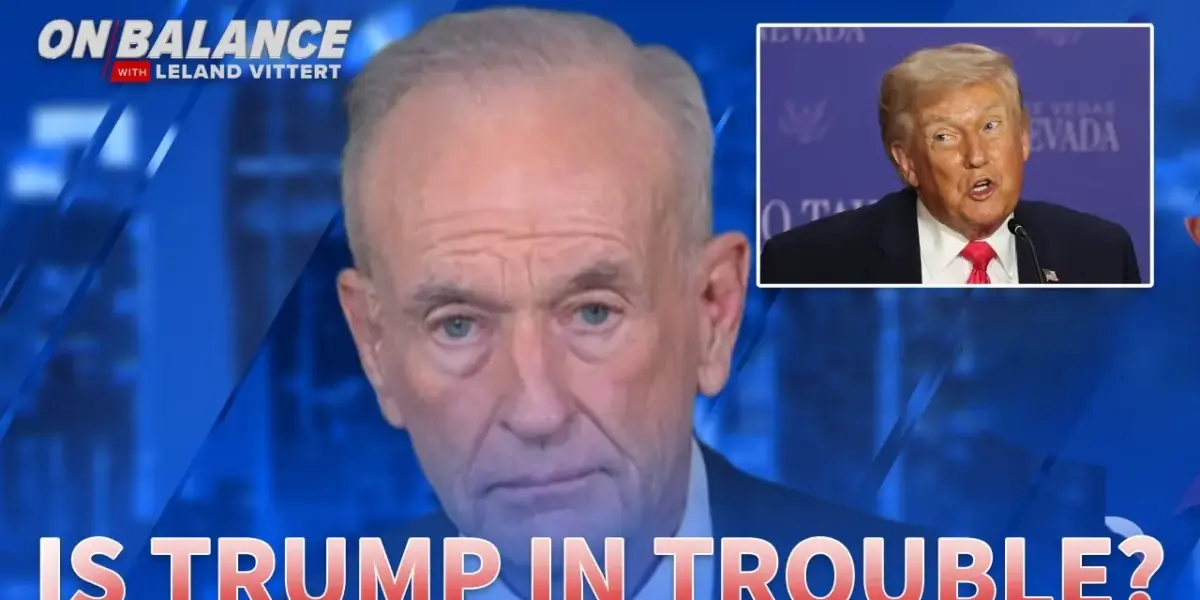
Trump’s Iran Gamble: A Cliffhanger or Catastrophe?
The Trump administration’s approach to Iran has always been a high-stakes gamble. Recent events suggest this gamble is reaching a critical point, with the outcome far from certain. The deadline for a potential deal, set for April 1st, 2026, has passed, leaving many wondering if President Trump is in deep trouble.
The White House has outlined a desired scenario: Iran must allow weapons inspectors access to its uranium and missile sites. They must also stop supporting terrorist groups and reopen the Strait of Hormuz.
If this happens, the rewards could be significant, including a stronger dollar and a quick drop in oil prices. This outcome would mean Trump is not in deep trouble, but rather facing a tense cliffhanger.
A Fragile Agreement?
However, the path to this desired outcome is fraught with uncertainty. Reports indicate that a potential deal, seemingly close to being finalized, fell apart. This raises a critical question: how long can President Trump wait for Iran to change its behavior while continuing its aggressive actions?
Adding to the complexity, a recent development saw eight women spared execution in Iran. While this is a positive step, the reliability of Iranian promises is questionable.
They have previously lied about reopening the Strait of Hormuz, a vital shipping lane. This history makes it difficult to trust their current assurances.
The conflict with Iran remains undefined, and journalists should treat it as such. The situation is complex, and assumptions about Iran’s intentions can be dangerous.
Shifting Alliances and Doubts
The president’s approach to Iran is facing scrutiny, even from some of his staunchest allies. Media figures, particularly in the podcasting world, have begun to express serious doubts. Tucker Carlson has apologized to his listeners for previously supporting Donald Trump’s policies on Iran.
Carlson has called the decision to go to war with Iran the biggest mistake of Trump’s lifetime. He even questioned if Trump might be the Antichrist, highlighting the extreme nature of his criticism. This sentiment suggests a growing division among those who once strongly backed the president.
Why This Matters
The situation with Iran has far-reaching implications for global stability and the economy. The Strait of Hormuz is a critical chokepoint for oil shipments, and any disruption can send oil prices soaring. This directly impacts consumers worldwide, affecting everything from gas prices at the pump to the cost of goods.
The ongoing tensions contribute to a volatile geopolitical climate. The threat of conflict, even if indirect, creates uncertainty for businesses and international relations. A peaceful resolution, however unlikely it may seem now, would be a significant positive development for everyone.
Historical Context
The United States and Iran have a long and complicated history. Tensions have been high since the 1979 Iranian Revolution, which led to the overthrow of the U.S.-backed Shah. Subsequent events, including the Iran nuclear deal negotiations and the Trump administration’s withdrawal from it, have only deepened the divide.
Past attempts at diplomacy have often been met with setbacks, making current negotiations particularly challenging. The current situation echoes previous periods of intense diplomatic pressure and potential conflict, highlighting the delicate nature of U.S.-Iran relations.
Trends and Future Outlook
The current trend shows a hardening of positions, with both sides seemingly unwilling to make significant concessions. The reliance on aggressive rhetoric and the threat of sanctions have not yielded the desired results. This stalemate suggests that a new approach may be necessary.
The future outlook remains uncertain. While the immediate threat of war might be averted, the underlying issues persist.
The possibility of a diplomatic breakthrough exists, but it requires a willingness from both sides to engage in genuine negotiation. Without it, the situation could continue to simmer, with potential for escalation.
The coming months will be crucial in determining the direction of U.S.-Iran relations. Any significant shift in policy or a new diplomatic initiative could alter the current trajectory. The world will be watching to see if President Trump can navigate this complex challenge successfully.
Source: Trump must win in Iran: Bill O'Reilly | On Balance (YouTube)

Related Articles


NATO Chief’s ‘Daddy Diplomacy’ Sparks Debate Amid Trump Tensions
NATO Secretary General Mark Rut's "daddy diplomacy" aims to keep the U.S. in the alliance by appeasing Donald Trump. However, critics argue this approach is ineffective against a "bully" and that a more assertive stance is needed. Other leaders have also tried personal diplomacy with Trump, with mixed results, while some advocate for smaller nations to unite against larger powers.
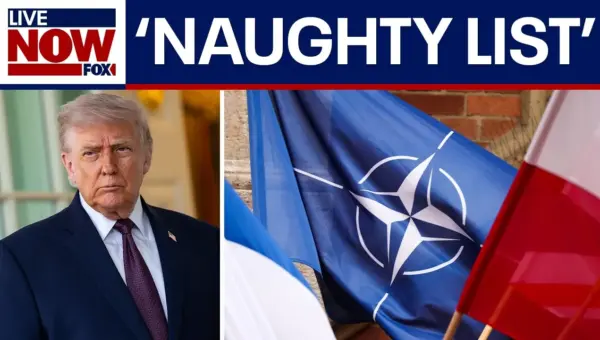
Trump Ranks NATO Allies Over Iran Stance
The White House is reportedly categorizing NATO allies into 'naughty' and 'nice' lists based on their support for U.S. actions regarding Iran. This strategy could lead to the repositioning of U.S. troops and bases away from countries deemed uncooperative. The move aims to reward allies who align with U.S. interests, particularly in the Middle East, while potentially isolating those who do not.

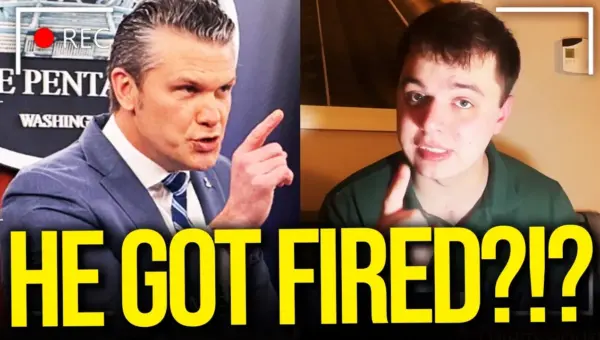
Navy Leadership Shake-Up Fuels Fears of White House Instability
The sudden firing of the U.S. Navy Secretary amidst a naval standoff with Iran has sparked concerns about administrative stability. Critics question the qualifications of the new acting secretary and the Pentagon's decision-making process.