Trump Ranks NATO Allies Over Iran Stance
The White House is reportedly categorizing NATO allies into 'naughty' and 'nice' lists based on their support for U.S. actions regarding Iran. This strategy could lead to the repositioning of U.S. troops and bases away from countries deemed uncooperative. The move aims to reward allies who align with U.S. interests, particularly in the Middle East, while potentially isolating those who do not.

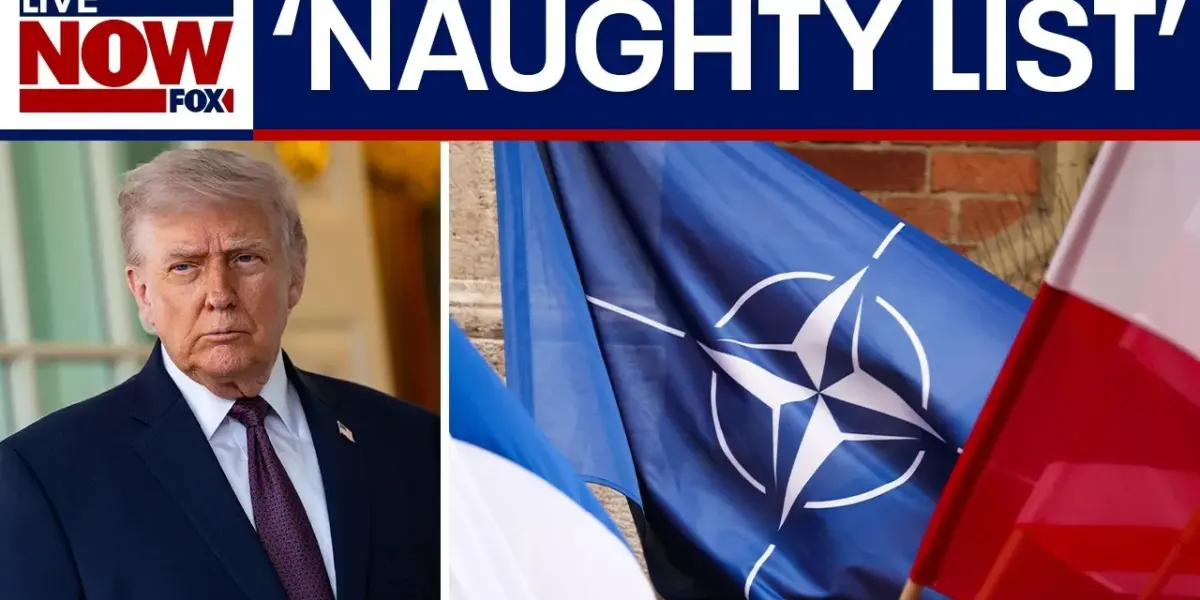
White House Creates NATO ‘Naughty and Nice List’
The White House is reportedly ranking NATO member countries based on their support for U.S. actions regarding Iran. This strategy, developed ahead of NATO Secretary General Jens Stoltenberg’s visit to Washington, aims to reward allies who cooperate and potentially punish those who do not. The effort includes an assessment of each member’s contributions to the alliance, placing them into different categories, according to three European diplomats and a U.S. defense official who spoke with Reuters.
Potential Consequences for Allies
Retired Marine intelligence officer Hal Kemper explained the potential outcomes for NATO countries that the U.S. is less pleased with. “What it could mean is for the countries they don’t like, we could be looking at relocating uh forces, relocating bases altogether, closing down bases,” Kemper stated.
While the President cannot unilaterally withdraw from NATO due to treaty obligations requiring Congressional approval, he has significant power over troop and base locations. This discretion allows for the repositioning of forces, a practice seen since the end of the Cold War.
Countries Under Scrutiny
Spain and Britain have been identified as potentially being on the “naughty list.” Both countries have faced issues with the U.S. regarding the use of their bases to support operations against Iran. Kemper noted that while these nations have improved their defense spending as a percentage of GDP, they still fall short of necessary levels.
Conversely, countries in Eastern Europe, such as the Baltic states (Estonia, Latvia, Lithuania), Finland, Poland, and Romania, are viewed more favorably. These nations face direct threats from Russia and have increased their defense spending, aligning with U.S. priorities.
Impact on Russia and NATO Unity
The ranking system could send a complex message to Russia, which has historically sought to divide NATO. President Trump has been critical of NATO during his tenure, and his administration has shifted U.S. policy by reducing aid to Ukraine while still offering military sales.
Kemper suggested that Russia would likely view this internal NATO division as a positive development. The potential relocation of U.S. troops further east, from Germany to Poland or the Baltic states, could also be seen as a strategic move in response to the current geopolitical climate.
Shaping the Next NATO Summit
The upcoming NATO summit in July in Turkey could be significantly influenced by this new ranking system. Countries that have been reluctant to support U.S. operations in the Persian Gulf, including France and Britain, may face increased pressure.
Kemper highlighted that this lack of support is a major point of contention for the President. The situation is further complicated by discussions around Ukraine potentially sending mine sweepers to the Strait of Hormuz, which could alter the dynamics of regional security and potentially impact Britain’s standing within NATO.
Ukraine’s Role and NATO Aspirations
The possibility of Ukraine joining NATO remains a sensitive issue, with the U.S. hesitant to openly support it due to potential Russian opposition. Kemper believes that any significant shift in this stance would likely depend on a decisive Russian defeat in Ukraine, possibly leading to regime change in Moscow.
Ukraine’s recent actions, such as offering mine sweepers and providing anti-drone capabilities for the Persian Gulf, demonstrate its growing willingness to support U.S. allies indirectly. This increased engagement could potentially shift perceptions in Washington.
Risks of a Divided NATO
A significant rift within NATO could pose risks to global stability. Kemper warned that major economic powers within the alliance could act independently, potentially enacting measures that could negatively impact the U.S. The withdrawal of U.S. engagement could lead to Europe becoming more assertive, with its actions not always aligning with U.S. interests. While the U.S. wants allies to contribute more to their own defense, a fractured alliance could lead to diverging priorities, particularly concerning trade and resource needs.
Looking Ahead
The next NATO summit in July will be a critical event to watch for further developments. The administration’s approach to ranking allies and the subsequent actions taken will likely shape discussions and decisions made by the alliance members.
Source: Trump weighs consequences for some NATO allies over Iran war: RPT (YouTube)

Related Articles

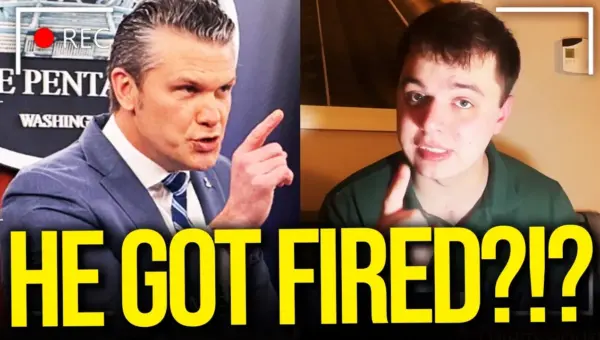
Navy Leadership Shake-Up Fuels Fears of White House Instability
The sudden firing of the U.S. Navy Secretary amidst a naval standoff with Iran has sparked concerns about administrative stability. Critics question the qualifications of the new acting secretary and the Pentagon's decision-making process.
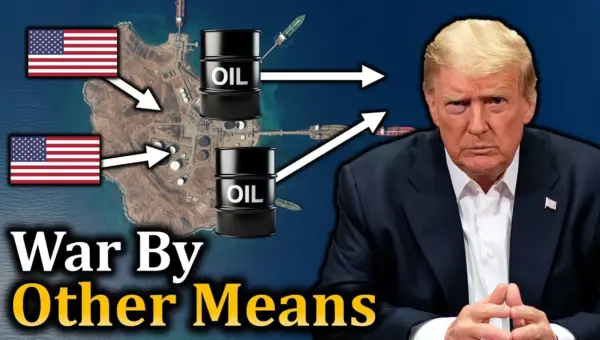
US Mimics Ukraine’s Tactic Against Iran’s Oil
The U.S. is adopting Ukraine's strategy of economic coercion against Iran, targeting oil exports. This approach aims to pressure Iran by exploiting its limited oil storage capacity, potentially avoiding direct military conflict. The situation hinges on Iran's ability to manage its oil surplus within a critical two-week window, with significant implications for global energy markets.

Trump’s Iran Policy Lacks an Exit: A Risky Gamble
The U.S. faces a tense standoff with Iran, marked by a lack of a clear exit strategy and potential for escalation. Iran's actions in the Strait of Hormuz and threats to vital infrastructure raise concerns about regional stability and humanitarian impact.