Sharp Force or Something Else? Expert Questions Medical Examiner’s Findings
A forensic expert is questioning the medical examiner's findings in the Celeste Rivas Hernandez case. While prosecutors claim a sharp instrument was used, the expert notes the report's careful wording. This leaves open the possibility that the injuries were caused by something other than a typical knife.

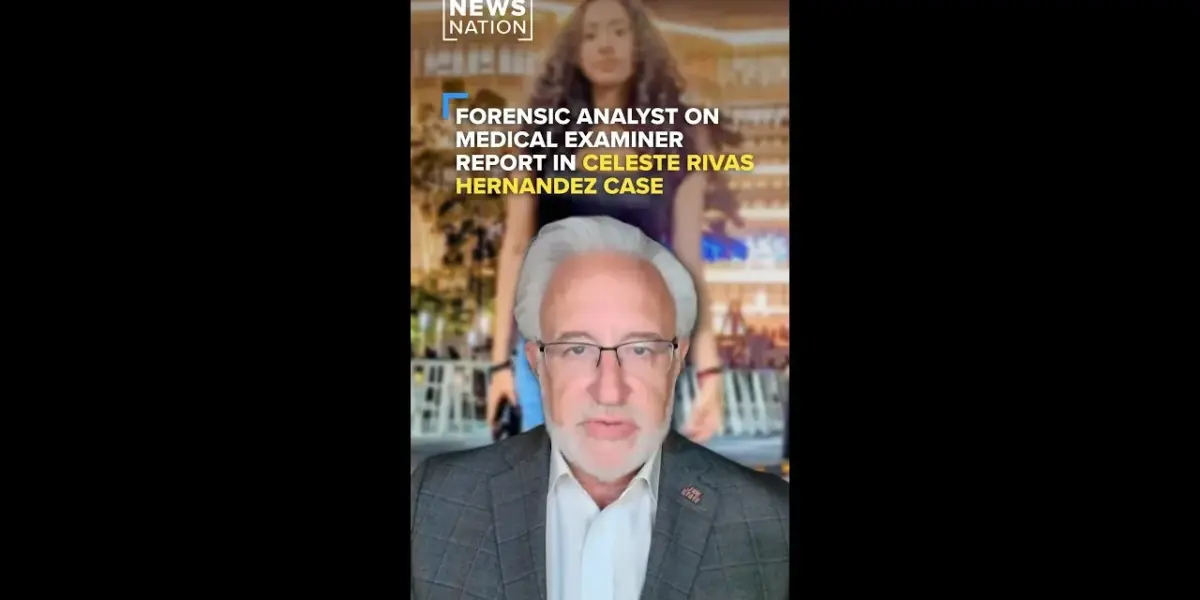
Expert Questions Medical Examiner’s Findings in Rivas Hernandez Case
Prosecutors in the Celeste Rivas Hernandez case have stated that a sharp instrument caused her injuries. However, a forensic expert is pointing out that the medical examiner’s report uses careful wording.
The report notes “sharp force injuries,” which can mean injuries from something sharp, but it doesn’t definitively state it was a knife. This leaves open the possibility that the injuries could have been caused by something other than a typical cutting weapon.
The expert suggests that we shouldn’t automatically assume a knife was used just because the report mentions sharp force. While a knife remains a strong possibility, other sharp objects could also create similar wounds. This distinction is important when trying to understand exactly what happened during the incident.
Analyzing the Medical Report
The core of the expert’s analysis centers on the precise language used in the medical examiner’s report. The phrase “sharp force injuries” is a medical term that describes damage caused by an object that is sharp. This could include a knife, but also things like broken glass, a sharp piece of metal, or even a very sharp stick.
When comparing the external observations of the body to what a knife wound typically looks like, the expert finds some room for interpretation. The report’s wording suggests a cautious approach by the medical examiner, who is detailing the type of injury without definitively naming the specific tool used. This careful phrasing is common in forensic reports to avoid making assumptions not fully supported by the evidence.
Why This Matters
The exact nature of the weapon used can be crucial in a criminal investigation. It helps investigators understand the context of the crime, the intent of the attacker, and can aid in identifying potential suspects. If the injury was caused by something unexpected, it could lead investigators down a different path than if they were only looking for a specific type of knife.
For example, if the injury was caused by broken glass at a crime scene, it might suggest a struggle in a specific location or a different type of encounter than if a premeditated stabbing with a knife occurred. Understanding these details helps build a more complete picture of the events. It is vital for the prosecution to present a clear and consistent narrative based on all available evidence, including the precise findings of the medical examiner.
Historical Context and Future Outlook
In forensic science, the analysis of wounds has a long history. Early forensic investigations relied heavily on visual inspection and comparison to known weapon types. Over time, advancements in medical technology and forensic techniques have allowed for more detailed analysis of wound characteristics, such as depth, width, and the presence of specific patterns.
However, the interpretation of these findings always requires expert judgment. Forensic experts must consider all possibilities and avoid jumping to conclusions. The Rivas Hernandez case highlights this ongoing challenge: bridging the gap between the scientific description of an injury and the legal determination of how that injury occurred.
The ongoing legal process will likely involve further examination of the medical evidence and expert testimony. The goal is to reach a conclusion that is supported by a thorough understanding of the forensic findings. The defense may use this ambiguity in the report to question the prosecution’s narrative.
Ultimately, the court will weigh all the evidence presented. This includes the medical examiner’s report, the expert’s analysis, and other investigative findings. The outcome will depend on how effectively each piece of evidence is interpreted and presented to the jury.
Source: Forensic expert analyzes medical examiner report in Celeste Rivas Hernandez case | Jesse Weber Live (YouTube)

Related Articles

Gruesome Truths Emerge in Teen Murder Cases
Two disturbing teen murder cases are progressing through the legal system. In the Anna Kepner case, her stepbrother has pleaded not guilty, with a forensic analyst warning of gruesome details to come. The Celeste Reavis-Hernandez case awaits a critical coroner's report amid complex forensic challenges.

Singer Charged in Teen’s Gruesome Murder: Justice for Celeste
Singer D4vd, real name David Anthony Burke, has been charged with murder in the death of 14-year-old Celeste Rivas-Hernandez. Her body was found dismembered in a Tesla registered to Burke, who allegedly killed her to protect his music career. The case is now heading towards a preliminary hearing.

Singer D4vd Pleads Not Guilty to Murder Charges
Singer D4vd has pleaded not guilty to murder charges in the death of 14-year-old Celeste Rivas Hernandez. Her dismembered body was found seven months ago in a Tesla owned by the singer. Prosecutors allege sexual abuse preceded her death, while the defense denies D4vd's involvement.