Middle East Ceasefire Holds Amid Global Economic Storms
A fragile ceasefire in the Middle East offers a pause from conflict, but global economic pressures are mounting. Rising energy prices and inflation are impacting consumers worldwide, while severe weather continues to affect millions across the United States. Domestic political developments and a tragic incident in Virginia also make headlines.


Middle East Tensions Ease as Ceasefire Takes Hold
Overnight, a fragile ten-day ceasefire between Israel and Lebanon appeared to be holding, offering a glimmer of hope in the long-standing conflict. President Trump announced the agreement, which followed weeks of intense negotiations.
This development comes as the U.S. also reported progress on a separate, two-week ceasefire deal between the U.S. and Iran. Defense Secretary Pete Hegseth stated that the U.S. has maintained its blockade of Iranian ports since the ceasefire began.
Despite the positive steps in the Middle East, global economic concerns are mounting. Energy prices are a significant factor, with the average price of fuel nearly doubling since the conflict began.
This has led to a dire warning from the head of the International Energy Agency, who stated that Europe has only about six weeks of energy supply left. This situation could significantly impact travel plans for millions worldwide.
Economic Pressures Mount Globally
The rising cost of energy is hitting consumers directly. In the U.S., consumer prices rose 0.9% in March, the largest month-over-month increase in four years. Energy costs are a major driver of this inflation.
Gas prices have reached an average of $4.07 per gallon, a figure likely to be used by Democrats in upcoming election ads. The stock market, however, has reached new all-time highs, a fact the President has highlighted to counter concerns about the war’s economic impact.
Airlines are already feeling the pinch, with fuel costs being one of the largest expenses. This has led to a 14% increase in airfares year-over-year, and summer domestic fares are up 18%.
Airlines are seeking ways to pass these increased costs onto passengers through higher fares and surcharges. While mid-week flights might see price drops, travelers are advised to book flights quickly and be aware of potential disruptions.
Domestic Issues and Political Developments
In Washington, the House of Representatives narrowly approved a ten-day extension of FISA, a surveillance program. This vote followed a Republican revolt, with some members, like Congressman Thomas Massie, voting against the measure. The bill allows for surveillance on non-U.S. citizens on non-U.S. soil.
The Department of Homeland Security is also seeing high-profile departures. Todd Lyons, the acting director of ICE and Customs Enforcement, has resigned. This follows the elevation of border czar Tom Homan to a new role overseeing immigration enforcement operations.
Meanwhile, Health and Human Services Secretary Robert Faa clashed with lawmakers over his vaccine policies. He faced questions regarding the Measles vaccine and the U.S. Preventive Services Task Force’s recommendations. The debate highlights ongoing discussions about public health strategies and the role of federal agencies.
Severe Weather Grips the Nation
Millions of Americans are facing extreme weather conditions this week. The Midwest and Plains states are experiencing severe storms, with warnings for heavy rain, hail, and strong winds.
Tornadoes are a significant threat in areas from Wisconsin down to Texas. Cities like Oklahoma City and Kansas City are included in this severe weather outlook.
In contrast, the Northeast is experiencing an early dose of summer heat. Temperatures are running 30 degrees above average in cities like Philadelphia and Baltimore.
However, this heat is expected to be short-lived, with cooler air and potential freezing temperatures moving in by the end of the week. This weather whiplash highlights the unpredictable nature of the current climate patterns.
Tragedy Strikes Virginia
A shocking incident occurred in Virginia where police reported that former Lieutenant Governor Justin Fairfax’s wife died from a gunshot wound, and Fairfax then died by suicide. The shootings were reportedly discovered by their teenage son. Court documents revealed that Fairfax had struggled with alcohol abuse and mental health issues, and the couple was scheduled for a court trial to divide their assets.
Global Concerns and Future Outlook
International Correspondent Raf Sanchez reported on efforts to combat phone snatching gangs in London. Police are using drones and CCTV to track down thieves who often use e-bikes to target victims. These gangs are part of a larger international criminal network, with stolen phones often being modified to prevent tracking.
Looking ahead, job seekers are warned of a new threat from scammers. These individuals are using sophisticated tactics, including AI-generated emails, to target people looking for work.
Many of these scams involve requests for personal information or upfront payments. Experts advise extreme caution when approached by recruiters, especially if they ask for sensitive data or money.
Finally, the historic Artemis II mission crew is sharing details of their upcoming journey to the moon with Al Roker. The crew is preparing for a ten-day mission that will take them nearly 700,000 miles around the moon and back. This mission marks a significant step in NASA’s plans for lunar exploration.
Source: Morning News NOW Full Episode – April 17 (YouTube)

Related Articles

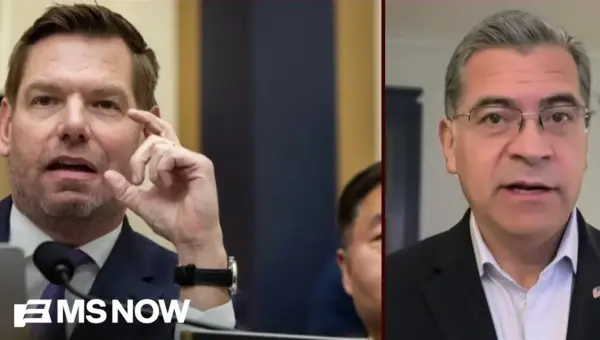
Becerra: Swalwell’s Exit Creates Accountability in Governor Race
Xavier Becerra stated that Eric Swalwell's exit from the California governor race brings accountability. Becerra believes the departure has clarified the contest, allowing voters to focus on key issues like housing and healthcare. He also voiced concerns about "governing by tweets" and its impact on energy prices.

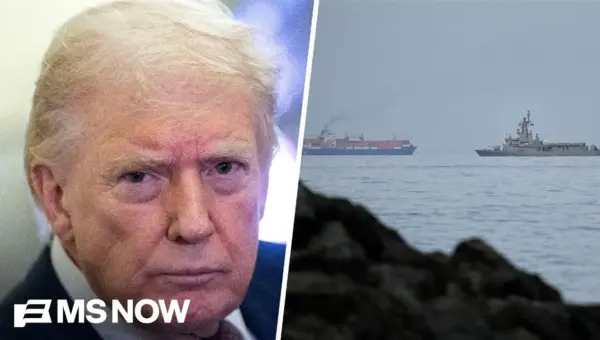
Trump Claims Iran Will Keep Strait of Hormuz Open
President Trump announced that Iran has agreed to keep the Strait of Hormuz open for shipping, linking it to a ceasefire in Lebanon. While presented as a major breakthrough, experts urge caution due to a lack of official confirmation from Iran and potential conditions attached to the agreement.
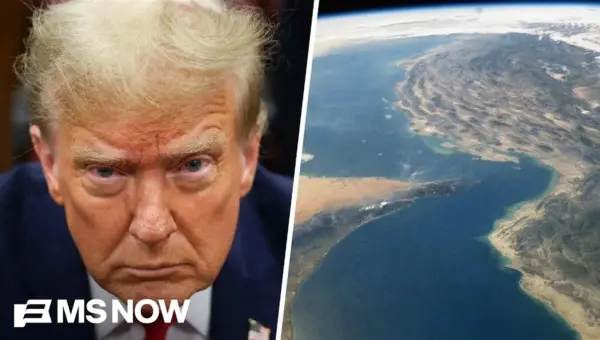
Iran Opens Key Oil Route, Stocks Jump Amid Ceasefire Hopes
Iran has reopened the Strait of Hormuz to commercial shipping, leading to a drop in oil prices and a rally in the stock market. This move comes as part of a fragile ceasefire agreement between Lebanon and Israel, with the U.S. heavily involved in brokering peace talks. The situation remains complex, with ongoing discussions about Iran's nuclear program and Hezbollah's future role.