Health Secretary’s Bizarre Testimony Exposes Administration Woes
Health Secretary Robert F. Kennedy Jr.'s recent Senate testimony revealed unusual personal health philosophies and communication challenges, including labored breathing and a defense of Trump's questionable cost-saving claims. His struggles with explaining drug price discrepancies and allegations of self-promotion using government resources have raised significant concerns about leadership and accountability within the administration.

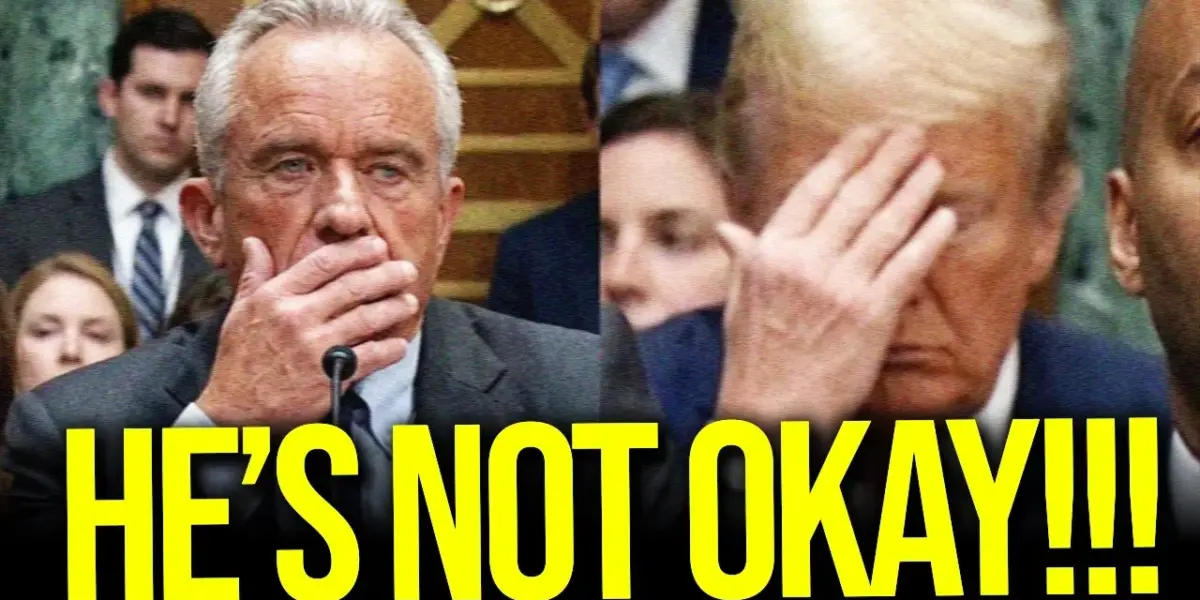
Health Secretary’s Bizarre Testimony Exposes Administration Woes
During a recent Senate committee hearing, Health Secretary Robert F. Kennedy Jr.’s testimony offered a startling glimpse into his personal health philosophies and communication style.
His approach to health, which includes practices like consuming raw milk and avoiding modern medicine, led to a pointed observation: if all Americans lived as he does, the nation would face severe health crises. This stark contrast between his personal beliefs and his public role as health secretary sparked significant debate and concern.
The hearing also highlighted unusual aspects of Kennedy’s physical presence, with many observers noting his labored breathing, which was amplified by the microphone. Comparisons were made to characters like Bane from Batman, emphasizing the difficulty he seemed to have in breathing normally. This drew sharp criticism, especially given his position as the nation’s health leader, suggesting a disconnect between his personal well-being and the health he is meant to champion for others.
Nutrition Education: A Glimmer of Progress
Amidst the unusual circumstances, one positive development emerged from the testimony. Kennedy highlighted efforts to improve nutrition education in medical schools.
He mentioned securing commitments from over 50 medical schools to provide at least 40 hours of nutrition education, calling it an incredible start. This focus on nutrition as a fundamental aspect of health and disease prevention was presented as a key goal for improving national healthcare.
However, the discussion around nutrition education also raised questions about the administration’s broader plans. While progress in medical schools was noted, there was a desire to understand how this would expand into other critical areas. These include residency training, medical licensing exams, and continuing education for healthcare providers, suggesting a need for a more comprehensive approach to integrating nutrition into medical practice.
Trump’s Percentage Problem: A Public Embarrassment
A particularly striking moment involved Kennedy’s defense of former President Trump’s claims about healthcare cost reductions. When questioned by Senator Elizabeth Warren about Trump’s assertion that his policies reduced drug prices by as much as 600%, Kennedy struggled to provide a clear explanation. He stated that Trump has a “different way of calculating percentages,” a phrase that immediately drew skepticism and criticism.
Senator Warren pressed the issue, using the example of a drug called Protonics, which cost $200 on Trump’s platform but had an identical generic version, Pantopriol, available for $16 at Costco. Kennedy admitted he did not know the Costco price, further highlighting the discrepancy. This exchange underscored concerns about the accuracy of cost-saving claims and the administration’s ability to provide straightforward answers on critical economic issues.
“President Trump and the Republicans slashed healthcare for millions of families. The president pitched his Trump RX website as the answer for Americans who are worried about health care costs. He claims that Trump RX has reduced prices by as much as 600%.”
— Senator Elizabeth Warren
Self-Promotion and Mismanagement Concerns
The hearing also touched upon allegations of self-promotion by Kennedy, using official government resources. Senator Hassan questioned him about videos featuring him in various activities, including exercising with Kid Rock and appearing as a shirtless WWE fighter, suggesting these were vanity projects. Kennedy claimed he was unaware of many of these videos and that they cost the government nothing.
When asked if President Trump had authorized the use of Health and Human Services (HHS) resources for these promotional activities, Kennedy stated he had never discussed them with the president. This lack of direct authorization and apparent unawareness of how government resources were being used raised serious questions about management and oversight within the department. The questioning echoed previous inquiries faced by other administration officials, suggesting a pattern of potential mismanagement.
Why This Matters
The testimony of Health Secretary Kennedy brings to light several critical issues within the current administration. Firstly, it raises concerns about the judgment and fitness of individuals in high-level public health positions, particularly when their personal beliefs and public statements seem at odds with their responsibilities. His unusual health practices and communication style cast doubt on his suitability to lead national health initiatives.
Secondly, the handling of economic claims, particularly regarding healthcare costs, is vital for public trust. When administration officials struggle to provide clear, factual explanations for significant claims, it erodes confidence in their ability to manage the economy and protect citizens’ financial well-being. The discrepancy in drug pricing examples is a clear indicator of potential misinformation or severe mismanagement.
Finally, the allegations of using government resources for personal promotion are deeply problematic. Public office demands accountability and the responsible use of taxpayer money. Any indication of vanity projects or self-serving activities funded by the public undermines the integrity of government institutions and the trust placed in public servants.
Implications and Future Outlook
The events surrounding Kennedy’s testimony suggest a potential shift in public perception and internal administration dynamics. The parallels drawn to other officials who faced scrutiny and career repercussions indicate a pattern that could lead to further accountability measures. Reports of other staff members being on shaky ground hint at potential upcoming changes within the administration.
The focus on nutrition education, while positive, may be overshadowed by these broader concerns. For nutrition initiatives to succeed, they require stable leadership and public confidence. The administration’s ability to address these issues of judgment, financial accuracy, and resource management will be crucial for its credibility moving forward, especially as upcoming elections approach.
Historical Context
Throughout history, public health officials have faced intense scrutiny, especially during times of health crises or significant policy changes. The balance between personal beliefs and public duty has often been a point of contention. For instance, debates over vaccination policies have historically involved navigating public skepticism and ensuring scientific consensus guides public health messaging.
Similarly, the use of government resources for political or personal gain has been a recurring theme in political discourse. Scandals involving misuse of funds or official positions have often led to significant public outcry and calls for reform. The current situation echoes these historical patterns, highlighting the enduring importance of ethical conduct and transparency in public service.
The upcoming months will likely see continued attention on these matters as the administration faces further oversight and potential political challenges. The effectiveness of its health policies and its ability to maintain public trust will be tested by its response to these ongoing controversies.
Source: Trump F*cked Around… then GOT BURIED!!! (YouTube)

Related Articles
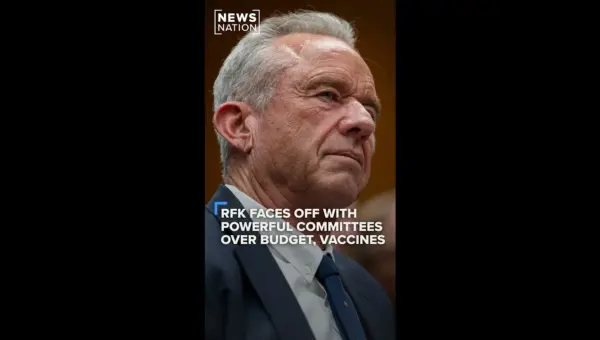
RFK Jr. Faces Fire Over Vaccines, Health Agenda
HHS Secretary Robert F. Kennedy Jr. faced tough questions on Capitol Hill regarding his vaccine views and health agenda during budget hearings. The discussions highlighted deep divisions and political pressure as he defended his policies.

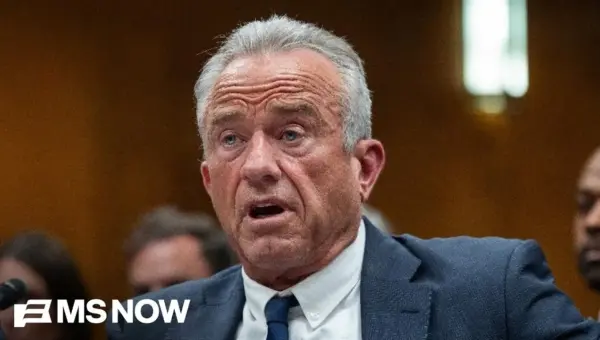
Senator Slams HHS Secretary Over Vaccine Claims, Accuses of Cover-Up
Senator Ben Ray Lujan has sharply criticized HHS Secretary Michael Kennedy, accusing him of spreading vaccine misinformation and engaging in cover-ups. Lujan demanded the release of documents, stating people are dying under Kennedy's leadership. A report also emerged of the CDC blocking data showing COVID-19 vaccines reduced hospital visits.


Iran’s IRGC Shows Power, Trump Admin’s Clock Ticks Faster
Iran's Revolutionary Guard is demonstrating significant power in the Strait of Hormuz, challenging U.S. claims of weakening its capabilities. Experts suggest the clock is ticking faster for the Trump administration to find a diplomatic off-ramp, as current strategies appear insufficient to deter Iranian actions or force a change in negotiating positions.