Court Gears Up for Tyler Robinson Trial in Charlie Kirk Case
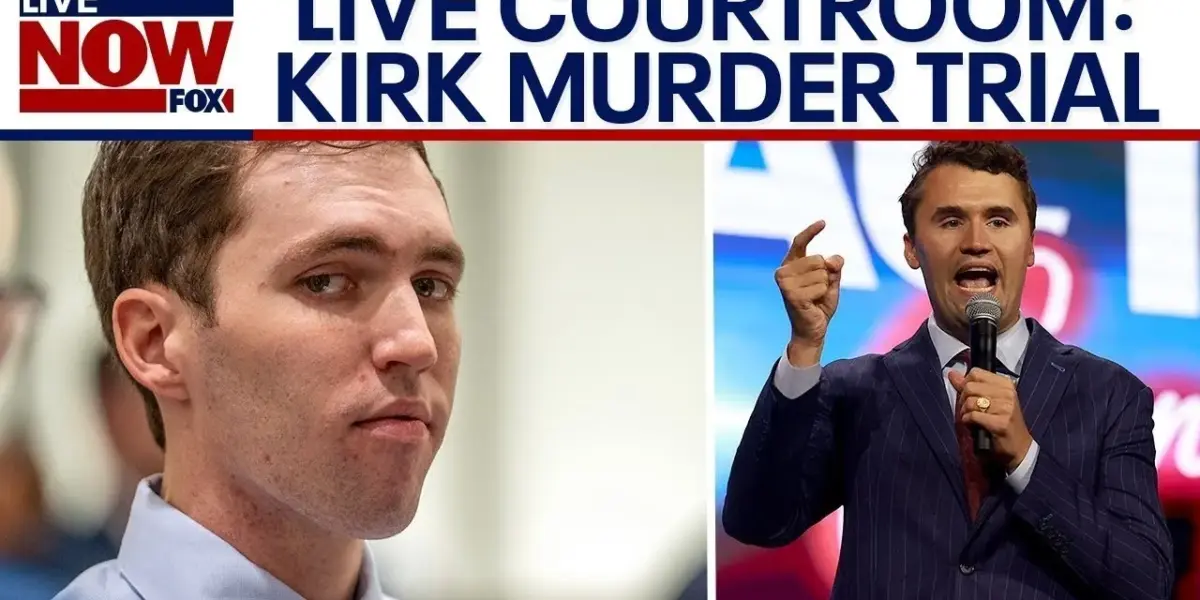
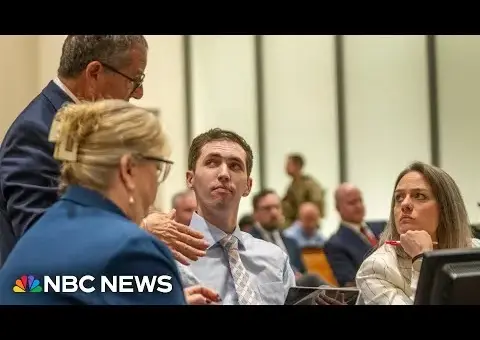
A Utah court session focused on the Tyler Robinson case, accused of murdering Charlie Kirk. The defense sought to delay the preliminary hearing due to alleged discovery issues with critical DNA data from federal labs. The state countered that the preliminary hearing's purpose is solely to determine probable cause and that the defense's concerns are for trial preparation.

Key Legal Proceedings Unfold in High-Profile Case
The Utah court system is preparing for significant legal developments in the case of Tyler James Robinson, who is accused of murdering Charlie Kirk. A recent court session focused on crucial preliminary matters, including the discovery of evidence and media access. The proceedings highlighted the complex legal steps involved in bringing such a high-profile case to trial.
Discovery Delays Stall Preliminary Hearing
A central issue in the recent hearing was the defense’s request to continue the preliminary hearing. Defense attorney Richard Novak argued that the state has not provided essential digital data from DNA analysis performed by the ATF and FBI.
This data, he explained, is critical for the defense to analyze the scientific evidence and prepare their own expert testimony. Without this raw data, Novak stated, the defense cannot adequately challenge the reliability of the prosecution’s DNA reports.
“We cannot do that when the law enforcement partners ATF and FBI have not provided us with appropriate discovery. That’s the the word that’s the phrase in the constitution appropriate discovery.”
– Richard Novak, Defense Attorney
Novak emphasized that this lack of discovery prejudices Mr. Robinson, as the Utah Constitution guarantees appropriate discovery. He compared the situation to a locked door, where the defense has the right to examine evidence but is denied access to the key.
The defense has identified DNA experts who are ready to analyze the data, but they are unable to proceed without it. This delay, Novak argued, is not about postponing the case but about ensuring a fair process.
State Argues Preliminary Hearing’s Limited Scope
Representing the state, Chad Grunander countered that the defense’s arguments do not justify continuing the preliminary hearing. He asserted that the purpose of a preliminary hearing is solely to determine probable cause, not to conduct a full discovery process or a trial on the merits of the evidence. Grunander stated that the rules of evidence allow for reliable hearsay at this stage, and the defense’s need for extensive expert analysis is more relevant to trial preparation than to establishing probable cause.
Grunander explained that the preliminary hearing is designed to prevent groundless prosecutions by ensuring there is some evidence of a crime. He described the expected evidence, including surveillance footage from Utah Valley University showing the defendant on campus, his movements, and the alleged shooting.
He also detailed circumstantial evidence linking Robinson to the murder weapon, such as a rifle found in a wooded area near the crime scene containing live and spent ammunition. The state also plans to present evidence of confessions and a handwritten note left by Robinson.
Key Evidence Presented by the State
- Surveillance footage from Utah Valley University showing the defendant arriving on campus, scouting the area, and later returning with a disguise.
- A rifle found in a wooded area, containing ammunition with unique political etchings, consistent with the shot fired.
- A Dremel tool and matching ammunition found at Robinson’s residence, with one round showing a “test shot” etching similar to those on the rifle’s ammunition.
- Evidence of confessions and a handwritten note left by the defendant.
Media Access and Courtroom Decorum
The hearing also addressed protocols for media presence in the courtroom. The judge reviewed a standing decorum order with representatives from The Salt Lake Tribune and ABC4, ensuring they understood the rules regarding recording and photography.
This attention to detail highlights the court’s commitment to balancing public access with the need for an orderly and secure legal proceeding. The judge stressed that any individual leaving the courtroom would not be allowed to re-enter until a recess.
Next Steps in the Case
The court is expected to issue a ruling on the motion to continue the preliminary hearing at a later date. The judge indicated that this decision would be made via WebEx to allow for full consideration of the arguments and evidence presented. The scheduling of future proceedings will be addressed following this ruling, as the case moves closer to trial.
Source: LIVE SOON: Tyler Robinson back in court, trial of accused Charlie Kirk killer (YouTube)

Related Articles

TPUSA Event Honors Charlie Kirk, Tackles Debt and Faith
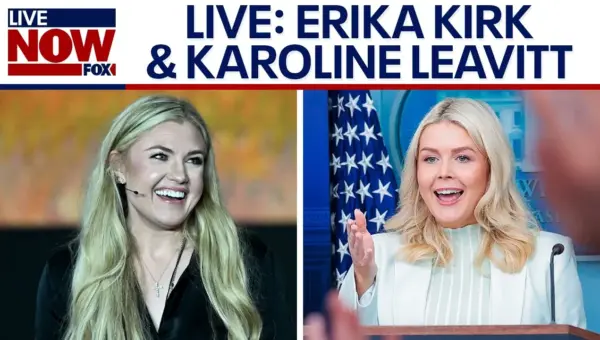
Turning Point USA hosted a "This is the Turning Point" event at George Washington University, featuring White House Press Secretary Karoline Leavitt and TPUSA CEO Erica Kirk. The gathering addressed the student loan crisis, emphasized conservative values and faith, and honored the legacy of the late Charlie Kirk. Speakers framed current societal challenges as a spiritual battle, urging attendees to stand firm in their beliefs.
Hawaii Doctor Denies Murder Plot, Claims Self-Defense
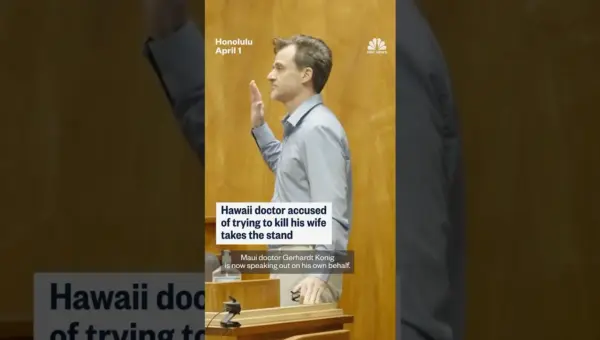
Hawaii doctor Ghart Koig testified he did not plan to kill his wife during a birthday trip, claiming self-defense during a violent encounter. Prosecutors allege a deliberate attack, while the doctor states he was in distress and misunderstood by his son. The jury will weigh these conflicting accounts.
Kirk Shooting Suspect’s Lawyers Question Bullet Evidence
Attorneys for Tyler Robinson, accused in the shooting of Charlie Kirk, are requesting a six-month delay in proceedings to review extensive digital evidence. The defense also highlighted an ATF report unable to link a bullet fragment from the autopsy to Robinson's alleged rifle.