Congress Faces Rising Hate: A Call to Remember the Holocaust
Congress recently held a solemn Holocaust remembrance ceremony, underscoring the urgent need to combat rising anti-Semitism. Survivors shared harrowing personal accounts, emphasizing that fighting hate is an American, not a partisan, issue. This event serves as a critical reminder of history's lessons.

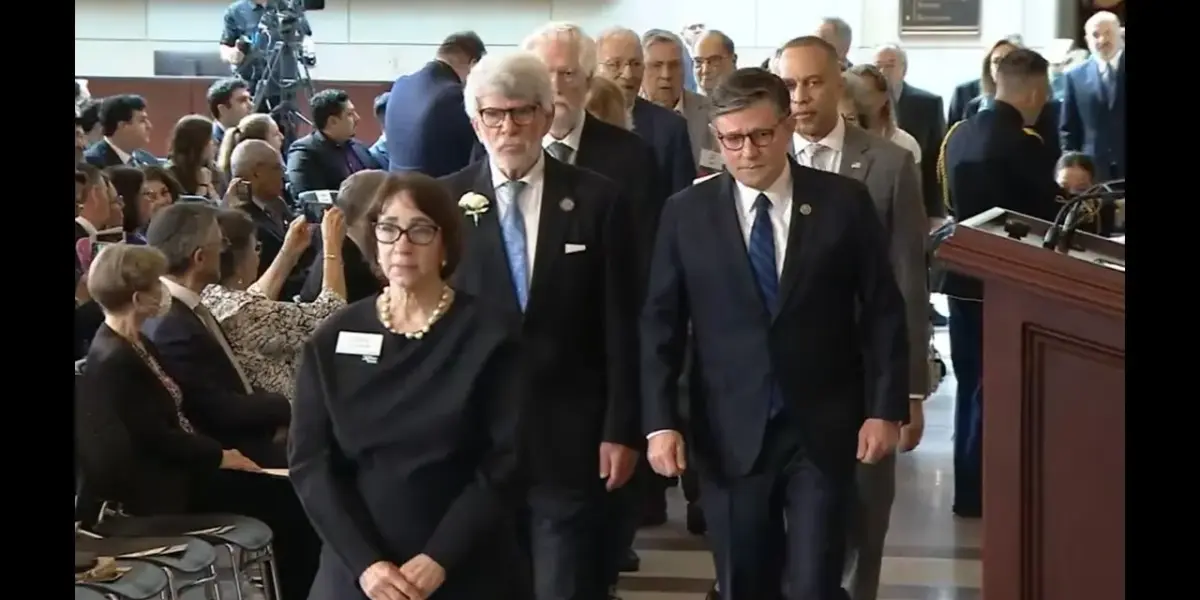
Congress Confronts Hate: A Solemn Holocaust Remembrance
Lawmakers on Capitol Hill recently gathered for a solemn event. They came together to honor the victims of the Holocaust. This yearly ceremony serves as a vital reminder of one of history’s darkest chapters. More than 25 Holocaust survivors attended, sharing their personal stories of survival and immense loss.
Echoes of the Past, Warnings for Today
During the ceremony, members of Congress spoke with deep emotion. They remembered the six million Jewish men, women, and children brutally murdered. Their voices echoed the urgent need to never forget this horrific genocide. The event also included representatives from the Trump administration and the diplomatic corps, showing a unified front.
“The efforts to combat anti-Semitism and Holocaust denial cannot be a Democratic issue or Republican issue. It is an American issue.”
This powerful statement highlights a critical point: fighting hate should unite everyone. It’s not about political parties; it’s about shared values and a commitment to humanity. The presence of Holocaust survivors themselves lent an irreplaceable weight to the proceedings. Their willingness to share their experiences is a profound act of courage.
A Survivor’s Harrowing Testimony
One survivor recounted a deeply personal and tragic experience. At just 13 years old, she was sent to the Auschwitz concentration camp with her parents and five siblings. She described the horrific moment of selection, where she and her older sister were forced into labor.
The women, children, and elderly were separated. They were sent to their deaths. The survivor shared that soon after a photograph was taken, everyone in that picture, including her own family, was murdered in the gas chambers. This firsthand account is a stark, unforgettable picture of the Holocaust’s cruelty.
A Vow Against Forgetfulness
The White House issued a statement reinforcing the gravity of the occasion. It honored the memory of all who were murdered. The statement also pledged a commitment to never forget the victims of the Holocaust. It recognized the Holocaust as the most terrible violation of human dignity ever recorded.
Why This Matters
In an era where hate crimes and anti-Semitic incidents are on the rise, remembering the Holocaust is more important than ever. These ceremonies are not just about historical record-keeping. They are a crucial educational tool. They teach younger generations about the dangers of prejudice, discrimination, and unchecked hatred. When survivors share their stories, they bring history to life. They help people understand the real-world consequences of intolerance. This remembrance is a powerful way to combat Holocaust denial and distortion. It reinforces the truth of what happened and honors the memory of those who suffered and died.
Historical Context and Background
The Holocaust, also known as the Shoah, was the systematic, state-sponsored persecution and murder of six million Jews by the Nazi regime and its collaborators. It began in 1933 when the Nazis came to power in Germany. Over the next 12 years, Jews were stripped of their rights, their property, and eventually their lives. Concentration and extermination camps, like Auschwitz, were built to carry out the Nazis’ genocidal plans. The scale of the atrocity was immense, involving millions of victims beyond the Jewish population, including Roma, Poles, Soviet prisoners of war, disabled people, and political opponents.
Implications, Trends, and Future Outlook
The increasing focus on Holocaust remembrance in Congress reflects a growing concern about rising anti-Semitism globally. This trend is worrying. It suggests that the lessons of the past are not being fully learned. The participation of survivors is becoming rarer as time passes. This makes current testimonies even more precious. Future efforts will likely rely more on education, documentation, and the testimonies of the second and third generations. There’s a clear trend towards using technology to preserve these stories. This includes virtual reality experiences and digital archives. The challenge ahead is to ensure that these memories remain vivid and impactful for those who did not witness these events firsthand. Making the fight against anti-Semitism and hate a consistent priority, regardless of political shifts, is essential for preventing future atrocities.
Source: Congress Remembers and Honors Victims of the Holocaust (YouTube)

Related Articles


Congress Faces Reckoning: Two Members Resign Amid Scandal
Two US Congress members, Republican Tony Gonzalez and Democrat Eric Swalwell, are resigning amid serious allegations. Their departures highlight contrasting party responses to misconduct and raise questions about accountability in politics.

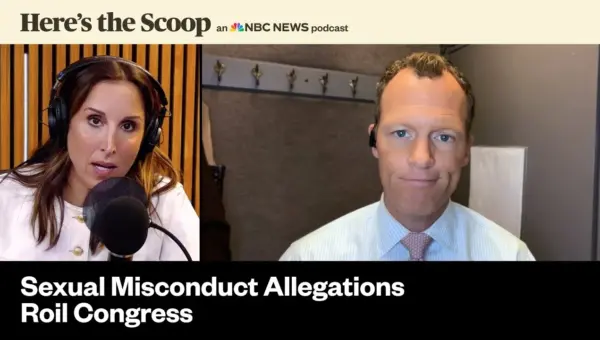
Congress Faces Reckoning as 2 Lawmakers Exit Amid Misconduct Claims
Two US lawmakers, Eric Swalwell and Tony Gonzalez, are resigning amid serious misconduct allegations, signaling a potential reckoning for behavior on Capitol Hill. Meanwhile, Israel and Lebanon have engaged in high-level peace talks in Washington D.C., the first in over 30 years, aiming to de-escalate regional tensions.


Congressmen Resign Amid Sexual Misconduct Allegations
Two U.S. Representatives, Eric Swalwell and Tony Gonzalez, have resigned from Congress amid serious allegations of sexual misconduct. New accusations against Swalwell include drugging and rape, while Gonzalez faced allegations of an affair with a staffer. The resignations prompt calls for better protection for potential victims and raise questions about accountability on Capitol Hill.