Fox News Flips: Allies Abandon Trump Amidst Iran War Fallout
As the conflict with Iran escalates, cracks appear in President Trump's support base, with Fox News facing accusations of altering coverage amidst rising gas prices and a credibility gap. The analysis explores the economic fallout, media accountability, and the administration's struggle to define and manage the ongoing hostilities.

Fox News Flips: Allies Abandon Trump Amidst Iran War Fallout
In a dramatic shift that highlights the volatile nature of political alliances, once staunch supporters of the Trump administration, particularly within the conservative media landscape, appear to be distancing themselves from the President. This apparent pivot is most evident in the evolving narrative surrounding the escalating conflict with Iran and its tangible economic repercussions on American soil, most notably the surge in gasoline prices.
The Shifting Sands of Media Support
The transcript highlights a growing tension between President Trump’s pronouncements and the on-the-ground realities faced by Americans. While Trump, posting on Truth Social, declared that short-term oil price drops following the “destruction of the Iran nuclear threat” would be a “very small price to pay for USA and world safety and peace,” the economic indicators paint a starkly different picture. The price of gasoline has climbed significantly, with a nearly 50-cent surge in the past week alone, directly attributed to disruptions in the Strait of Hormuz, a critical artery for global oil transport.
Consumers are feeling the pinch acutely. Anecdotal evidence from drivers reveals the mounting pressure, with one individual stating, “Between my husband’s truck and my car, we’re well over $300 a month in gas.” Another shared the grim reality of their wages, noting that “at work, I make around like $18 an hour. And that’s like that’s not even a full tank.
It’s like 2 hours at work is one tank. All my money has been going to gas.” This widespread economic strain directly contradicts the administration’s earlier promises of energy independence and immediate relief at the pump, such as the pledge to “cut energy prices in half or more than that within 12 months of taking office” and bring gas prices “below $2 a gallon.”
A Tainted Broadcast: The Dignified Transfer Controversy
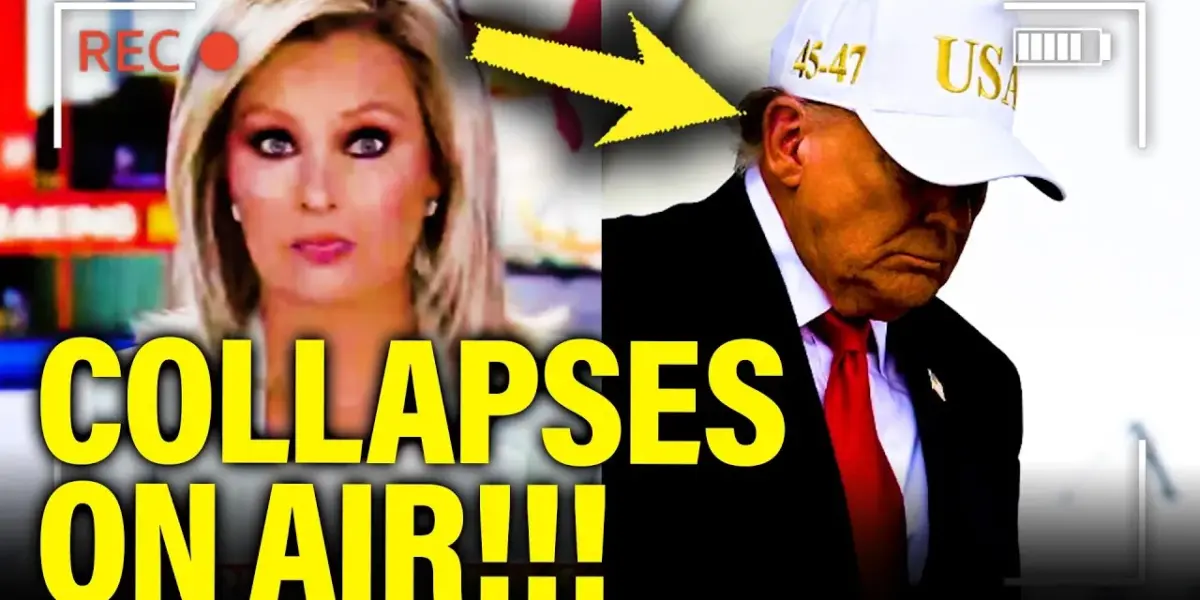
Adding to the administration’s woes, Fox News itself faced criticism and was compelled to issue an apology for what appeared to be an attempt to manipulate coverage of a solemn event. During the dignified transfer ceremony for six U.S. Service members killed in the Iran conflict, President Trump drew criticism for wearing a white baseball cap during the tribute.
In response, Fox News aired archival footage from an earlier, similar ceremony, depicting Trump without the hat. This discrepancy was quickly identified by online users, leading to accusations of an effort to sanitize the President’s image.
Fox News later issued a statement acknowledging the error, attributing it to the “inadvertent” airing of archival footage. However, the incident has fueled skepticism about the network’s editorial independence and its willingness to present unvarnished coverage when it might displease the administration. The transcript notes this as particularly egregious given the network’s past attempts to frame negative economic news, such as the “economic disaster,” as beneficial, citing the return of “Hamburger Helper” as an example.
Verbal Gymnastics and the Definition of War
Beyond the broadcast mishap, the analysis points to a pattern of “next-level verbal gymnastics” employed by Fox News guests and administration officials to downplay the economic impact of the Iran conflict. While global oil prices have surged past $100 a barrel due to Middle Eastern disruptions, some commentators have attempted to frame opposition to taxpayer funding of the war as aiding Iran. Conversely, others have urged for a forceful approach, suggesting that tankers should “barrel through the conflict” with a show of strength.
The very definition of the conflict has become a point of contention, with internal contradictions emerging. While some officials insist it is not a war, citing the failure of a War Powers Resolution in the House, others, including the Secretary of Defense, have referred to it as such. This semantic debate highlights a potential reluctance to acknowledge the full scope and implications of the military actions, perhaps to avoid the constitutional obligations associated with a declared war.
The transcript quotes one official stating, “We may have casualties. That often happens in war,” juxtaposed with another’s assertion, “This isn’t a war. He we haven’t declared war.” This ambiguity allows for a narrative where strategic strikes are not classified as war, despite their clear impact on global energy systems and the loss of American lives.
Economic Realities Versus Perceptions
The energy secretary’s explanation for rising oil prices further adds to the confusion. Instead of acknowledging supply disruptions or geopolitical instability, the argument was made that prices are driven by “market psychology and perception” and that “markets are panicking.” This framing deflects from the administration’s role in the conflict and its economic consequences, suggesting that the panic is irrational rather than a logical response to tangible threats to global energy supply.
The core of the issue, as presented, is the emerging credibility gap. When global markets react to a conflict by driving up energy prices, and the administration responds by dismissing concerns as overreactions or framing it as a “small price to pay,” it fosters an impression of spin rather than a direct confrontation with the consequences. The transcript notes that the American people are “clearly seeing what is happening and they’re not happy as a result.”
Trump’s Shifting Justifications and the Search for an Off-Ramp
The analysis suggests that President Trump’s own justifications for the conflict have evolved rapidly, shifting from regime change to nuclear weapons, ballistic missiles, and state sponsorship of terror. This “morphed” and “evolved” perspective over a short period indicates that the war may not be proceeding as initially expected, perhaps moving away from a hoped-for “Venezuela part two, a one and done, an in and out.” The economic indicators, such as stock market performance and oil prices, are likely weighing heavily on the President, especially given the consistent advice to focus on domestic issues.
While Trump’s most loyal supporters may accept his narrative, a significant portion of the broader population is losing trust. The immediate challenge for the administration is to find an “off-ramp” from the conflict, a task made difficult by the lack of clear objectives and the ongoing repercussions. Even if the administration claims victory or objectives met, it does not guarantee an end to Iranian actions.
Why This Matters
The events detailed in the transcript highlight critical issues concerning media accountability, presidential communication, and the economic impact of foreign policy. The apparent willingness of a major news network to seemingly alter its coverage to align with a particular political narrative raises serious questions about journalistic integrity. The disconnect between the administration’s optimistic rhetoric on energy prices and the lived experiences of consumers highlights the importance of transparent communication about the costs and consequences of geopolitical actions.
Implications, Trends, and Future Outlook
This situation points to a potential trend where the economic fallout from foreign conflicts is becoming increasingly difficult to shield from the domestic population. As global energy markets become more interconnected and sensitive to geopolitical events, the impact on everyday citizens is more immediate and pronounced. The administration’s response—attempting to reframe the economic pain rather than fully acknowledge its causes and impacts—could have long-term consequences for public trust.
The search for an “off-ramp” suggests a recognition of the unsustainable nature of the current trajectory, but the path forward remains unclear. The effectiveness of future presidential communication will be tested by its ability to reconcile ambitious foreign policy goals with the economic realities faced by the electorate.
Historical Context and Background
The conflict with Iran has a long and complex history, marked by periods of intense tension and proxy confrontations. The current escalation, while distinct in its immediate triggers and the specific administration in power, occurs within the broader context of decades of strained relations. Previous U.S. Administrations have grappled with Iran’s regional influence, its nuclear program, and its support for various militant groups.
The economic leverage points, such as control over oil supply routes and the global price of oil, have historically been significant factors in these geopolitical dynamics. The current situation echoes past instances where disruptions in the Middle East have sent shockwaves through global energy markets, impacting economies worldwide and influencing domestic political discourse.
Source: Fox THROWS TRUMP UNDER THE BUS over WAR! (YouTube)

Related Articles
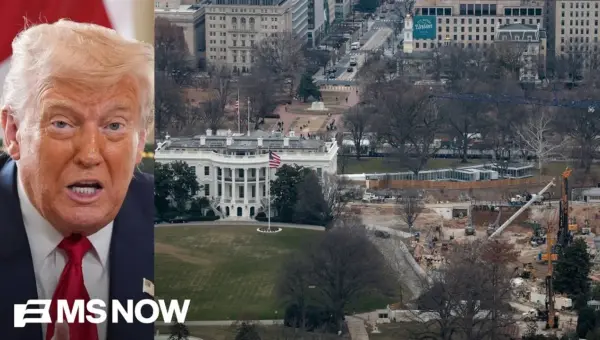
Ex-Official: Trump Focused on ‘Ballroom and Arch’ Over Economy
Former State Department official Matthew Rojansky criticizes Donald Trump's apparent focus on symbolic issues over the economy. Polls indicate voters are confused and distrustful of the administration's messaging on the Iran war and economic policies, suggesting a communication breakdown. Concerns are rising about the administration's priorities as voters express anxiety over financial struggles and foreign conflicts, with some feeling the focus is on 'ballroom and arch' rather than substantive solutions.

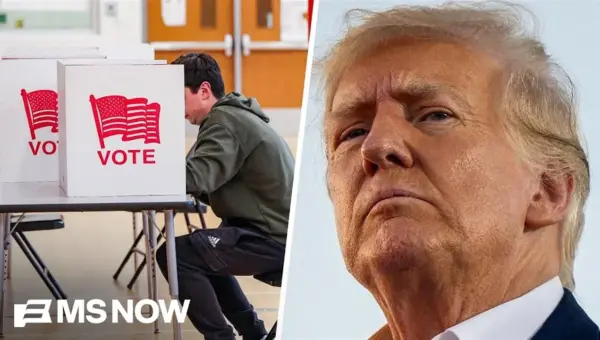
Trump Cries Rigged Election Over Virginia Redistricting Loss
Former President Donald Trump has baselessly claimed Virginia's redistricting vote was rigged, citing deceptive language and calling for court intervention. Despite significant Republican spending, the ballot initiative passed, favoring Democrats with a potential two to four-seat advantage. Experts suggest Trump's claims echo past patterns and could impact future elections.

Ukraine Eyes ‘Donnyland’ Rename to Win Trump’s Support
Some Ukrainian officials are reportedly considering renaming a portion of the Donbas region 'Donnyland' in an effort to win favor and aid from former U.S. President Donald Trump. This unconventional strategy is inspired by past instances where naming conventions or gifts appeared to influence Trump's decisions. The move highlights Ukraine's urgent need for support in its ongoing conflict with Russia.