Iran Escalates Conflict: New Hardline Leader Takes Charge Amidst Global Tensions
Iran has appointed a hardline successor to its Supreme Leader amidst escalating international conflict. As missile strikes continue and global oil markets react, the UK details its military involvement, while humanitarian concerns rise. The potential for Kurdish involvement in Iran's western regions adds another layer of complexity to the deepening crisis.

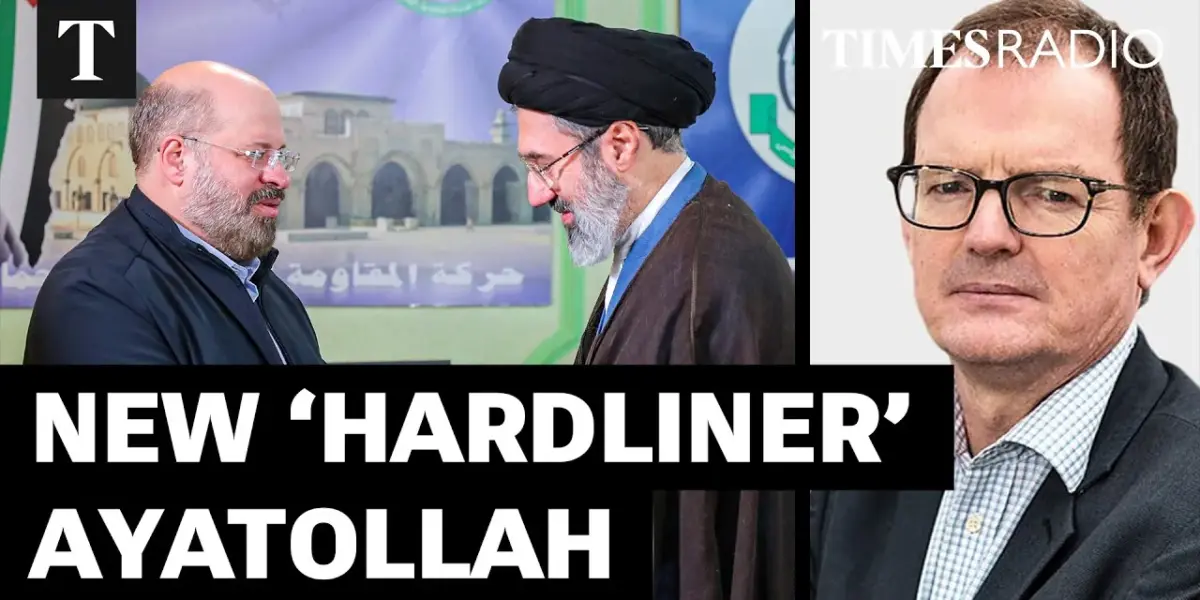
Iran Crisis Deepens as Hardline Leader Ascends Amidst Missile Strikes and Global Ramifications
BAGHDAD, IRAQ – The ongoing conflict involving Iran has entered its tenth day, marked by escalating regional tensions and a significant shift in Iran’s leadership. As Turkey, the UAE, and Qatar report intercepting Iranian missiles, the appointment of Ayatollah Ali Khamenei’s son, Massoud, as the new Supreme Leader signals a defiant stance against international pressure, with analysts suggesting this hardline successor is unlikely to yield to demands for surrender.
The conflict’s reach has extended to global markets, with oil prices surging and shipping lanes in the Strait of Hormuz facing paralysis. Meanwhile, the international community, including the UK and the US, is actively engaged in military responses, while humanitarian concerns mount over the environmental impact of the strikes.
New Leadership, Unwavering Resolve
The succession of Massoud Khamenei, the son of the recently deceased Supreme Leader Ayatollah Ali Khamenei, has sent a clear signal of continuity and defiance. Richard Spencer, correspondent for The Times, reporting from Iraq, stated, “If he has taken over, he’s a hardliner. He’s not going to take over and surrender.” This appointment, which occurred amidst rumors of Massoud Khamenei’s own injury in a recent strike and the death of his wife, is seen by some as a direct challenge to demands for de-escalation.
While the pace of Iranian missile strikes has reportedly slowed compared to the previous week, indicating potential strain on the regime’s defenses, the attacks persist. “They are not going at the same pace as they were last week.
There are signs that the regime’s defenses are strained,” Spencer observed. He also noted a deliberate decentralization of command and control within Iran’s military structure to mitigate the risk of decapitation strikes against its high command.
Recent incidents highlight the widespread impact of the conflict. Missiles were reportedly fired towards Israel, with cluster munitions causing casualties.
A significant event occurred in Turkey, where NATO air defenses intercepted a missile heading towards the direction of İncirlik Air Base, a crucial NATO facility. “There was clearly orders to decentralize of command and control just because of the threat of the high command being wiped out,” Spencer added, explaining the strategic shifts in Iran’s military operations.
Global Economic Repercussions: The Strait of Hormuz Under Siege
The conflict’s impact on global energy markets has been immediate and severe. Shipping in the Strait of Hormuz, through which approximately 20% of the world’s oil passes, has been significantly disrupted, leading to oil prices soaring to nearly $120 a barrel.
“The shipping in the strait is pretty much paralyzed,” Spencer reported. Gulf states are reportedly filling their reserves, straining their capacity to take more oil.
While initial proposals for US warships to escort oil tankers through the strait have been largely dismissed as unlikely and potentially too risky for tanker owners due to insurance and security concerns, the long-term implications are still being assessed. “I do think there will be assessments made later on as this proceeds… That might be something they will be forced to consider,” Spencer commented on potential future strategies.
Alternative measures to stabilize the market include the release of strategic oil reserves from the US and European nations. China, which has been building substantial oil reserves, is also rumored to have made its own arrangements to ensure its oil supply continues to flow, with some Chinese tankers reportedly slipping through the Strait of Hormuz by disabling their transponders.
UK’s Military Response and Humanitarian Concerns
The United Kingdom has outlined its active role in the conflict. Defense Secretary John Healey informed the House of Commons about the deployment of British forces to protect British citizens, interests, and allies. “Our F-35s destroying Iranian drones over Jordan.
Our Typhoons shooting down targets heading to Qatar. Our counter-drone units defeating further attacks against coalition bases in Iraq,” Healey stated, detailing the specific contributions of the Royal Air Force.
Meanwhile, the World Health Organization has raised alarms about the environmental and health consequences of the conflict. Strikes on Iran’s oil facilities by US and Israeli forces are reported to be contaminating the country’s food, water, and air, posing a significant humanitarian challenge.
The Kurdish Question: A Potential New Front?
Speculation has surrounded the potential involvement of Iranian Kurds living in Iraq as a new element in the conflict. Reports suggested that the CIA was providing arms to these groups to act against the Iranian regime. However, this prospect has faced significant pushback.
Tehran has threatened severe repercussions against Iraqi Kurds if they assist Iranian Kurds in attacking. In response, US President Donald Trump has reportedly ruled out the direct involvement of Kurds in the war, citing its existing complexity. The Iraqi government, through the office of the First Lady, has also distanced itself from such proposals, referencing past experiences where Kurdish uprisings were not adequately supported, leading to negative consequences.
Richard Spencer, who has been interviewing Kurdish groups in Iraq, confirmed their willingness to fight the Iranian regime. “These are guys who really hate the regime and have left Iran and are part of guerrilla organizations,” he explained. These groups, numbering a few thousand at most, possess guerrilla arms and have occasionally staged attacks within Iran.
However, they lack heavy weaponry and would require significant external support to be effective. “If they went in on their own, it would be a suicide mission. But as part of a sustained operation, if Trump does eventually send ground troops, I think they’d be interested,” Spencer elaborated on their potential role as a spearhead force.
The strategic advantage of involving Kurdish forces could be to secure and protect areas within Iran, potentially serving as bases for ground troops. “There’s no love for the regime in the Kurdish parts of Iran, and they do make up sort of around 10%, possibly even more of the Iranian population,” Spencer noted, highlighting the demographic and political landscape in Iran’s Kurdish regions.
Looking Ahead
As the conflict shows no signs of abating, the world watches closely for further escalation or potential diplomatic breakthroughs. The steadfast position of Iran’s new hardline leadership, coupled with the global economic pressures and the ongoing military engagements, suggests a prolonged and volatile period ahead. The potential involvement of proxy forces, such as the Iranian Kurds, remains a significant factor that could alter the dynamics of the war, while the international community grapples with the complex consequences of this deepening crisis.
Source: Iran Crisis: There Is No Sign Of Surrender As ‘Hardliner’ New Ayatollah Takes Over | Richard Spencer (YouTube)

Related Articles

Trump’s Iran Stance: Bold Strategy or Tactical Retreat?
The debate over Donald Trump's handling of Iran centers on whether his extension of a ceasefire was a strategic masterstroke or a sign of weakness. Supporters argue he's playing a long game, leveraging Iran's economic woes for a better deal. Critics contend this approach forfeits crucial leverage, allowing Iran to delay indefinitely.
Iran Won’t Talk to Trump Until He Changes His Tone
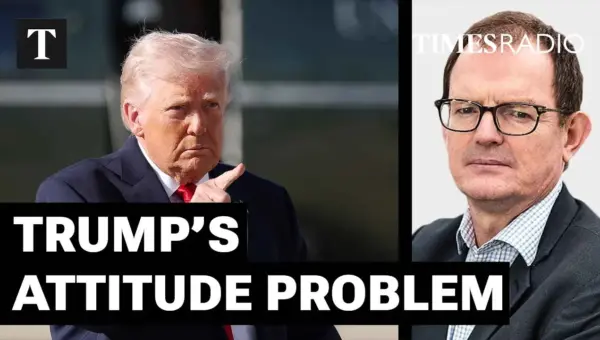
Iran attacked three ships in the Strait of Hormuz, seizing two, in a move signaling its demand for President Trump to change his approach before any negotiations can occur. Experts believe serious talks are unlikely due to a lack of key conditions and a mismatch in pain tolerance between the two sides. The conflict is also impacting global economies, with the UK experiencing a rise in inflation.


Trump’s Early Morning Tweets Spark Global Concern, Mockery
Donald Trump's early morning social media posts, filled with erratic commentary and insults, have drawn widespread criticism and international mockery. While claiming progress on Iran talks, Iran itself reported capturing vessels and highlighted its ability to disrupt global internet cables. This behavior, coupled with historically low approval ratings, has led to China viewing itself as a major beneficiary of U.S. diplomatic missteps.