Ukraine Strikes Russian Oil Refineries, Crippling Output
Ukraine has crippled nearly half of Russia's oil refining capacity through strategic strikes. This move aims to cut off funding for Moscow's war machine and is being framed as a legitimate defensive action. The attacks highlight Ukraine's evolving military strategy and its impact on Russian resources.


Ukraine Strikes Russian Oil Refineries, Crippling Output
Ukraine has successfully targeted Russia’s oil refineries, taking roughly 40% of the nation’s refining capacity offline. This strategic move aims to disrupt the financial flow that supports Russia’s military operations and its ongoing invasion. By hitting these critical infrastructure sites, Ukraine is directly impacting the resources funding Russian soldiers and their military campaigns.
These oil refineries are considered legitimate military targets by Ukraine. The strikes are part of what is described as 101 warfare, a fundamental concept in understanding modern conflict.
This approach targets the enemy’s ability to wage war by attacking their logistical and financial backbones. Every weapons depot, aircraft, and airfield hit by Ukraine is viewed as a valid military objective in its defense.
Distinguishing Legitimate Targets
There is a clear distinction between Ukraine’s actions and those of Russia. Some individuals, often aligned with Russian narratives, attempt to equate Ukraine’s strikes on refineries with Russia’s attacks on civilian infrastructure. This comparison is fundamentally flawed, as it ignores the defensive nature of Ukraine’s actions versus Russia’s offensive war.
“Something is offensive, which is what Russia is doing, murder and onslaught, and as there’s a country defending itself.”
Russia’s targeting of hospitals and civilian areas, such as a 74-year-old woman in Kherson, represents an offensive strategy. These actions are characterized as murder and onslaught.
In contrast, Ukraine’s long-range strikes on oil refineries are defensive measures. They aim to degrade the enemy’s war-making capacity without directly targeting civilians.
Strategic Implications
The widespread disruption of Russian oil refining capacity has significant strategic implications. Oil revenues are a primary source of funding for the Russian government and its military. By reducing this income, Ukraine aims to limit Russia’s ability to purchase and produce weapons, pay its soldiers, and sustain its invasion efforts.
This tactic mirrors historical strategies where nations have sought to cripple an adversary’s economy to weaken their war machine. For example, during World War II, Allied bombing campaigns targeted German oil production facilities. These efforts aimed to starve the German military of fuel and resources, hindering their offensive capabilities.
The impact on global energy markets is also a consideration, though Ukraine’s primary objective is military. Russia is a major global oil producer, and significant disruptions to its refining output could influence international prices and supply chains. However, the immediate focus remains on degrading Russia’s ability to fund its aggression.
What This Means on the Ground
For the conflict on the ground, this means Russia faces increasing financial pressure. Reduced oil revenue could lead to shortages of military equipment, ammunition, and even basic supplies for Russian forces. It may also affect the morale and operational readiness of troops who rely on consistent pay and support.
Ukraine’s ability to conduct these long-range strikes demonstrates a growing sophistication in its military capabilities. The use of drones and other long-range strike assets allows Ukraine to project power deep into Russian territory. This challenges Russia’s sense of security and forces them to divert resources to protect critical infrastructure.
The strategy also highlights a shift in how Ukraine is prosecuting the war. While still engaged in defensive ground combat, Ukraine is increasingly employing asymmetric tactics. These tactics aim to inflict maximum damage on the aggressor’s ability to wage war, rather than solely focusing on territorial gains or losses.
Geopolitical Impact
Globally, Ukraine’s actions reinforce the narrative of Russia as an aggressor and Ukraine as a nation defending itself. This can influence international support, sanctions, and diplomatic efforts. The effectiveness of these strikes may also encourage other nations to consider similar strategies against states engaged in aggression.
The disruption to Russia’s oil sector could also have ripple effects on its relationships with energy-dependent allies. Nations that rely on Russian oil may seek alternative sources, potentially shifting geopolitical alliances and trade patterns. This adds another layer of pressure on Russia’s international standing.
Ukraine’s continued success in targeting Russian military and economic infrastructure signals a determined effort to end the conflict on its terms. The ongoing operations demonstrate a strategic adaptation to leverage available resources for maximum impact against the invading forces. The coming months will likely show the full extent of these refinery strikes’ impact on Russia’s ability to continue its war.
Source: 💥Why Ukraine is Targeting Russia's Oil Refineries (YouTube)

Related Articles


Russia Pushes Ukraine for Donbas Control
Russia is reportedly pushing for control of the entire Donbas region, employing negotiation tactics to achieve this goal. While peace talks show some progress, the United States' role is seen as crucial for bridging gaps. Internal pressures in Russia and Ukraine's strikes on energy infrastructure add complexity to the ongoing conflict.

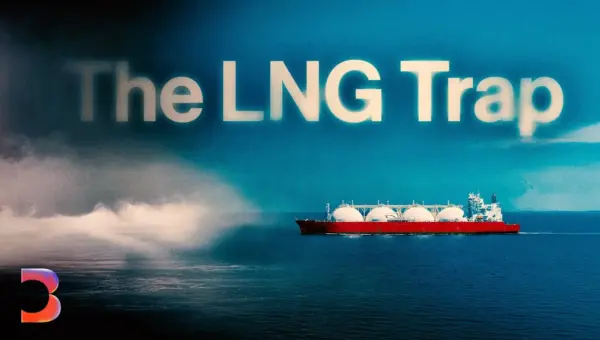
Iran Strike Cripples Qatar LNG, Spurring Global Energy Scramble
An Iranian strike on Qatar's vital LNG export facility has sent global energy markets into turmoil, highlighting the fragility of supply chains. The attack is expected to disrupt supplies for years, causing prices to double and forcing nations to scramble for alternatives, potentially accelerating the shift to renewables.
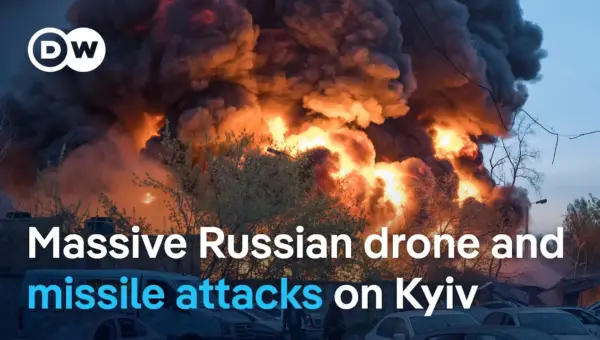
Russia Unleashes Deadliest Strikes on Ukraine This Year
Russia launched its deadliest assault of the year on Ukraine, killing at least 16 people with widespread drone and missile strikes. Kyiv, Odesa, and Dnipro were heavily targeted. Ukraine retaliated with strikes on Russian-held Crimea, while concerns grow over critical air defense missile shortages.