Iran Strike Cripples Qatar LNG, Spurring Global Energy Scramble
An Iranian strike on Qatar's vital LNG export facility has sent global energy markets into turmoil, highlighting the fragility of supply chains. The attack is expected to disrupt supplies for years, causing prices to double and forcing nations to scramble for alternatives, potentially accelerating the shift to renewables.

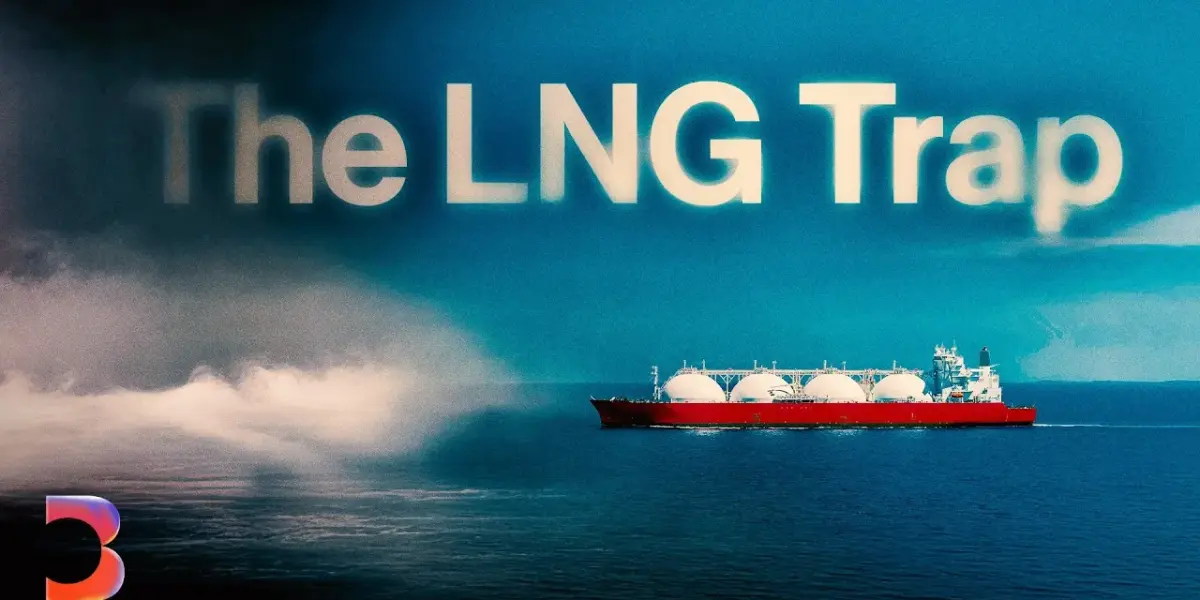
Iran Strike Cripples Qatar LNG, Spurring Global Energy Scramble
A significant Iranian strike on Qatar’s Ras Laffan industrial city has severely damaged the world’s largest liquefied natural gas (LNG) export facility. This attack, which impacted two out of fourteen processing units, is expected to disrupt global energy supplies for years. Qatar estimates the damage could cost up to $20 billion annually in lost revenue and take three to five years to fully repair.
The incident exposes the fragility of the global energy system, which has become heavily reliant on LNG for power generation, industry, and transportation. LNG, often called the ‘champagne of fuels,’ is natural gas chilled to -163 degrees Celsius, making it 600 times denser and easier to transport worldwide via specialized ships. This process allows countries far from gas reserves, like those in Asia and Europe, to import the fuel through long-term contracts.
LNG’s Rise as a ‘Bridge Fuel’
Natural gas is valued for being more abundant and cleaner than coal, emitting about half the carbon dioxide when burned. For decades, LNG was promoted as a crucial ‘bridge fuel,’ helping nations transition away from dirtier sources like coal towards renewable energy. The U.S. shale boom, using hydraulic fracturing and horizontal drilling, significantly boosted global LNG production and made it more accessible to emerging economies.
This availability led to a surge in global trade, reaching approximately $250 billion annually. Many countries, particularly in Asia, built their economies around reliable LNG imports from major producers like Qatar. The infrastructure for LNG, while expensive, became more affordable, allowing countries to secure a steady supply for their growing energy demands.
Vulnerability Exposed by Conflict
However, the reliance on specific regions, like Qatar, created a critical vulnerability. All of Qatar’s LNG exports must pass through the Strait of Hormuz, a narrow waterway through which about 20% of global LNG production flows daily. The recent Iranian strike directly targeted this supply chain, highlighting how geopolitical tensions can quickly disrupt energy markets.
The damage to the Ras Laffan facility has led to an estimated 20% drop in global LNG exports. This sudden shortfall has triggered a scramble for alternative supplies, causing a bidding war among nations. Spot prices for LNG have more than doubled recently, with a single cargo now costing around $70 million, up from $30 million.
Market Impact and Investor Considerations
The attack on Qatar’s LNG infrastructure shatters the perception of LNG as an affordable and reliable fuel for the energy transition. Countries heavily dependent on Qatari LNG, especially in Southeast Asia like Bangladesh and Thailand, are already facing energy rationing and power shortages.
In the short term, nations are being forced to reconsider their energy sources. Some are reactivating mothballed coal-fired power plants, as seen in Japan and South Korea, to fill the immediate energy gap. However, with coal and fuel oil prices also elevated, options are limited, and the cost for consumers continues to rise.
The long-term implications could accelerate the shift towards renewable energy sources out of pure necessity. Unlike imported fuels, solar and wind power are domestic and offer greater energy security. Asian countries are already exploring diversification, with China expected to supply much of the renewable energy equipment.
US Poised to Benefit, But Gap Remains
The disruption puts the United States in a strong position to benefit. U.S. LNG export capacity has grown ninefold since 2017, making it the world’s largest LNG exporter. As countries seek to diversify away from the Middle East, U.S. natural gas production, at an all-time high, stands to gain significant market share.
Despite the U.S. leading exports, the current capacity is insufficient to fill the void left by Qatar. Upcoming LNG projects in Mozambique, Canada, and Argentina are years away from completion and cannot address the immediate shortfall. This situation represents a significant shift for the energy industry, questioning the future role of LNG and natural gas in the global energy transition.
The immediate future points to continued price volatility and uncertainty as countries navigate this complex energy landscape. The next major LNG export projects are not expected to come online until 2026 or later.
Source: How the Iran War Revealed a Truth About Gas (YouTube)

Related Articles

Iran Faces $435M Daily Hit From Economic Blockade
Iran is reportedly losing $435 million daily due to an economic blockade aimed at preventing its nuclear ambitions. This pressure follows decades of mismanagement and sanctions, weakening the nation's financial standing. The situation highlights global geopolitical risks and potential market volatility.


Iran Faces Economic Collapse Amid Trump’s Blockade Strategy
Iran faces severe economic pressure from a U.S.-led blockade, potentially leading to its collapse. Analysts believe President Trump's strategy of taking adversaries' threats seriously, combined with economic sanctions, is designed to force Iran's unconditional surrender on nuclear and regional issues.


Trump’s Iran Policy Fuels Market Gains, Analysts Say
President Trump's strategy of imposing a crippling economic blockade on Iran is reportedly leading to its financial collapse and contributing to record highs in the stock market. Analysts suggest this decisive foreign policy, combined with pro-growth tax cuts, is creating a favorable environment for investors.