Trump’s Iran Deal Sparks GOP Division, Fuels Democratic Fire
Donald Trump's Iran strategy is creating significant division, with some Republicans praising his actions while Democrats and others criticize a perceived strengthening of Iran. The debate extends to domestic policies, with Democrats highlighting economic struggles and conditions at immigration detention centers. These contrasting viewpoints are shaping the political discourse leading up to upcoming elections.

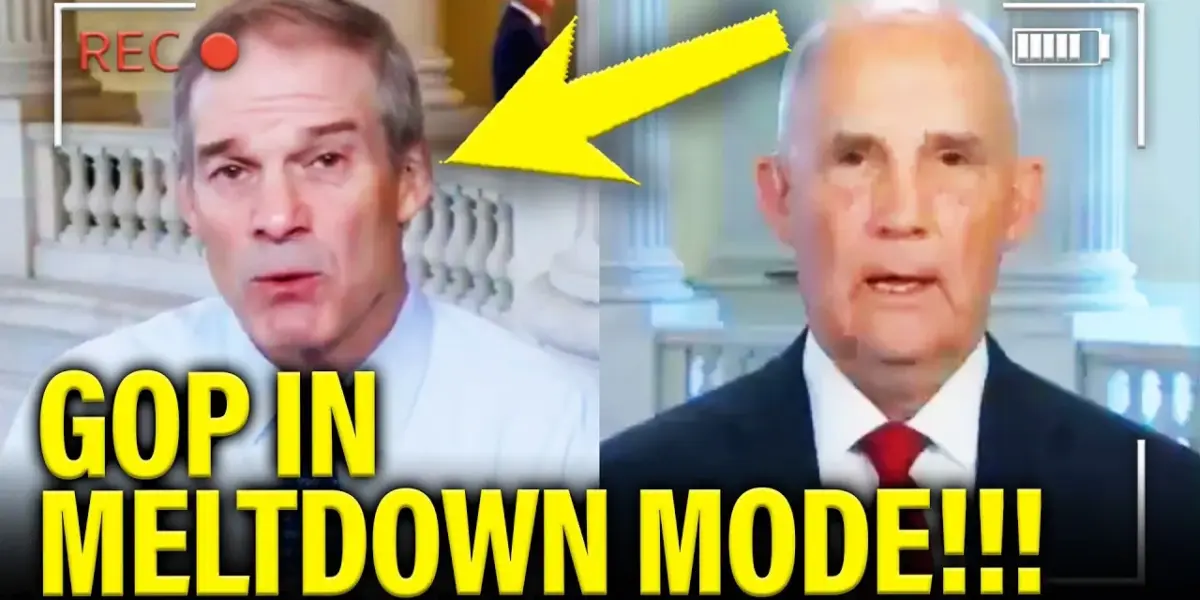
Trump’s Iran Strategy Creates Rift Among Republicans
Donald Trump’s approach to foreign policy, particularly regarding Iran, has stirred significant debate, even within his own party. Some Republicans, like Congressman Keit Sel, have publicly praised Trump’s actions, suggesting he has effectively “boxed in China” and weakened Iran’s nuclear program. This perspective frames Trump’s strategy as a success, particularly in managing energy flows through the Strait of Hormuz.
However, this view is not universally shared. Critics argue that Trump’s actions have inadvertently strengthened Iran’s position.
They point to the decision to allow Iran to retain control over the Strait of Hormuz and potentially enrich uranium in the future. This, they claim, allows Iran to profit and become a major regional power, contrary to stated goals of limiting its influence and capabilities.
Divergent Views on Key Policy Decisions
The core of the disagreement lies in the interpretation of Trump’s deals. Supporters believe he is a master negotiator who secured favorable outcomes.
For instance, some highlight efforts to disrupt Iran’s nuclear program as a significant achievement, especially if uranium enrichment can be controlled. They see this as a move toward a more stable region.
Opponents, however, see a different picture. They argue that giving Iran control over the Strait of Hormuz, a vital shipping lane, and lifting sanctions that resulted in billions of dollars in oil revenue, directly contradicts the aim of curbing Iranian power. This approach, they contend, allows Iran to rebuild and continue posing a threat to global security.
Democrats Criticize Trump’s Policies and GOP Response
Democratic Congresswoman Debbie Wasserman Schultz has been vocal in her criticism of Trump’s Iran policy and the Republican party’s response. She characterizes the situation as “MAGA just doesn’t know what to do with so much winning,” sarcastically referring to economic hardships like rising prices for gas, groceries, and housing. She believes Trump’s actions have empowered Iran, a nation she identifies as a significant terrorist actor.
Wasserman Schultz specifically points to the lifting of sanctions and the $14 billion in oil revenue given to Iran as misguided decisions. She argues this directly enables Iran to strengthen its position and continue its destabilizing activities. Meanwhile, she asserts, Americans are struggling with increasing costs for essential goods and services, highlighting a disconnect between foreign policy actions and domestic well-being.
Focus Shifts to Domestic Issues and Immigration
Beyond foreign policy, Democrats are also highlighting domestic issues they believe are being mishandled by the Trump administration and its allies. Wasserman Schultz criticizes what she calls “crazy” policies, using examples like restricting healthcare access and aggressive immigration enforcement. She describes the situation as one where people are “psychologically tortured living paycheck to paycheck.”
A particularly strong point of criticism is the conditions at detention centers, such as the Everglades detention facility. Wasserman Schultz describes it as a place of “cruelty” where detainees are denied basic human dignity, given insufficient food, and often held for extended periods without clear resolution. She notes that many individuals held there have no criminal record, questioning the justification for their detention and the inhumane conditions.
Historical Context and Obama-Era Deal
The debate over Iran policy often references past agreements, including the Joint Comprehensive Plan of Action (JCPOA) negotiated under the Obama administration. Critics of Trump’s approach draw parallels, suggesting that Trump’s deal essentially replicates aspects of the Obama-era agreement, which his administration later abandoned. The JCPOA aimed to limit Iran’s nuclear program in exchange for sanctions relief.
The transcript references a deal from about ten years ago where similar outcomes occurred. This comparison suggests that the current strategy might not be as novel or effective as proponents claim. It raises questions about whether Trump’s actions represent a genuine improvement or a return to previously established, albeit controversial, frameworks.
Why This Matters
The differing interpretations of Donald Trump’s Iran strategy reveal a deep ideological divide within American politics. For supporters, Trump’s approach is a bold assertion of American strength and a departure from what they see as failed policies of the past. They believe his direct negotiations and willingness to challenge established norms are beneficial for national security and economic interests.
For critics, however, Trump’s actions are seen as reckless and detrimental, potentially empowering adversaries and destabilizing global affairs. The debate highlights the significant consequences of foreign policy decisions, impacting everything from international relations and security to domestic economic conditions and humanitarian concerns. The stark contrast in viewpoints highlights the challenges in forging a unified national strategy on critical issues.
Implications and Future Outlook
The ongoing debate over Trump’s foreign policy and domestic agenda suggests a continued period of political polarization. The Democratic party appears energized by what they perceive as Republican missteps, aiming to capitalize on these issues in future elections. Their strategy focuses on highlighting economic struggles and what they describe as inhumane policies.
The focus on these issues, from the Strait of Hormuz to detention center conditions, indicates a broader political messaging strategy. Democrats aim to contrast their approach with that of Republicans, emphasizing empathy and practical solutions for everyday Americans. The upcoming elections will likely serve as a referendum on these competing visions for the country.
The discussion around Trump’s fitness for office, including calls for a commission to review his cognitive abilities, adds another layer to the political discourse. This reflects deep concerns among some about his temperament and decision-making processes. As the political landscape continues to evolve, these debates will undoubtedly shape the direction of American policy and governance.
Voters will ultimately decide which narrative resonates most. The results of special elections are being closely watched as indicators of public sentiment. The upcoming electoral contests will be crucial in determining the future direction of the country, both domestically and internationally.
Source: 🚨 GOP in PANIC as Trump makes CATASTROPHIC DEAL!! (YouTube)

Related Articles

Trump’s ‘Corner Store’ Remark Sparks Out-of-Touch Fears
Donald Trump's recent questioning of the term "corner store" has sparked debate about his connection to everyday Americans. Critics argue the remark, along with past comments about groceries and affordability, shows a disconnect from ordinary people's lives. This raises questions about the long-term effectiveness of his relatability strategy.

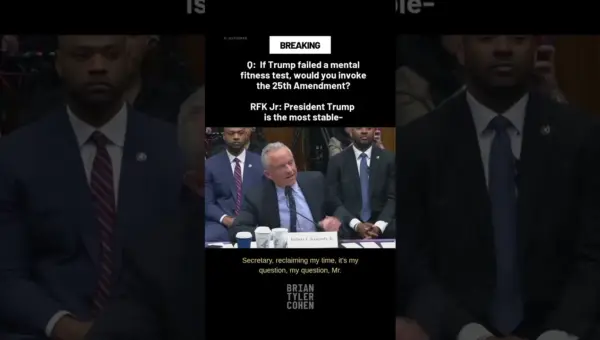
RFK Jr. Declares Trump ‘Most Stable’ Amidst Fitness Debate
Robert F. Kennedy Jr. has called Donald Trump the "most stable" president, sparking debate. This statement contrasts with concerns raised about Trump's mental fitness for office. The discussion touches on the 25th Amendment and the importance of a leader's stability.
Trump’s Shadow Crushes Vance’s Political Future
Vice President J.D. Vance faces historically low approval ratings, a sharp decline from his initial popularity. The analysis suggests his association with Donald Trump is the primary cause, potentially jeopardizing his long-term political career. A radical proposal involves invoking the 25th Amendment to address concerns about presidential fitness.