Trump’s Shadow Crushes Vance’s Political Future
Vice President J.D. Vance faces historically low approval ratings, a sharp decline from his initial popularity. The analysis suggests his association with Donald Trump is the primary cause, potentially jeopardizing his long-term political career. A radical proposal involves invoking the 25th Amendment to address concerns about presidential fitness.

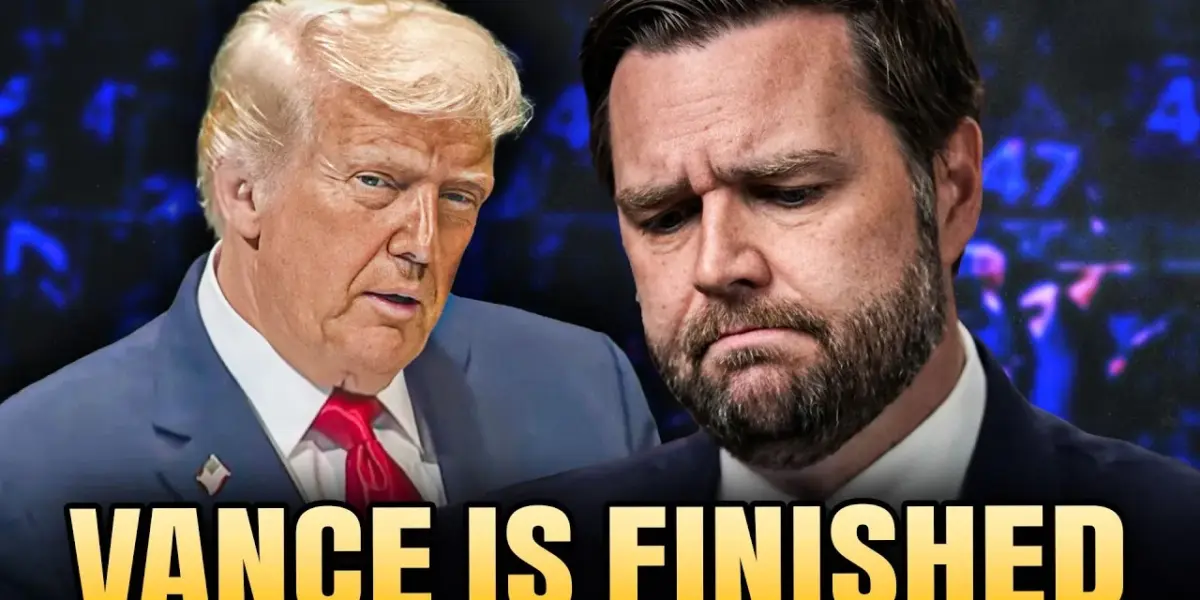
Trump’s Shadow Crushes Vance’s Political Future
Vice President J.D. Vance’s approval ratings have plummeted to historic lows, a stark contrast to his promising start. When he entered office, Vance had a positive approval rating of plus three points, suggesting public favor.
However, recent polls show him at a staggering negative 21 points. This makes him the least popular vice president in modern history, a significant downfall for a politician so early in his career.
This dramatic drop raises questions about Vance’s political future and the impact of his association with Donald Trump. While Vance was once seen as a rising star, his current standing suggests his career may be severely damaged. The trajectory is concerning for a young politician who could potentially serve for decades.
A Look Back at Vice Presidential Popularity
To understand Vance’s current situation, it’s helpful to look at past vice presidents. Even figures like Dick Cheney, often viewed as controversial, maintained better public approval than Vance does now.
Cheney, associated with many unpopular policies during the George W. Bush administration, was still more well-liked than Vance is today.
Other past vice presidents, like Dan Quayle, Al Gore, Joe Biden, and Mike Pence, all enjoyed higher public favorability at various points in their tenures. Quayle was seen as a goofball, Gore as monotonous, Biden as a likable elder statesman, and Pence as a religious figure. Despite their own criticisms, none faced the level of public disapproval Vance is currently experiencing.
Incompetence or Loyalty?
The video transcript suggests Vance’s low approval stems from his perceived incompetence and blind loyalty to Donald Trump. It argues that Vance is placed in positions where success is unlikely and that his unwavering support for Trump is detrimental. This loyalty, it claims, is sinking his own political ship.
The analysis posits that Vance’s current path is unsustainable for his long-term career. His association with Trump, who is described as universally hated and potentially suffering from dementia, is seen as a major liability. The transcript directly links Trump’s unpopularity to Vance’s own struggles.
The 25th Amendment Proposal
As a drastic measure, the transcript proposes invoking the 25th Amendment as a way for Vance to salvage his career and, by extension, the country. This amendment allows for the removal of a president who is unable to discharge the powers and duties of their office. The argument is that Vance, as vice president, has the power to initiate this process.
The idea is that by removing Trump, Vance could step in, stabilize the situation, and potentially rebuild his own political standing. It’s presented as a bold move to steer the country away from disaster and give Vance a chance to run for office again in the future, albeit under very different circumstances.
Why This Matters
The public’s perception of its leaders, especially those in high office like the Vice President, is crucial for the functioning of democracy. Vance’s historically low approval rating signals a significant disconnect with the electorate. This isn’t just about one politician; it reflects broader trends in political loyalty, public trust, and the influence of a dominant political figure.
The situation highlights the intense polarization in American politics. When a vice president’s popularity is so closely tied to the president’s, it raises questions about independent leadership and the ability of individuals to carve out their own political identity. It also brings to the forefront the serious discussions around presidential fitness and the constitutional mechanisms available to address such concerns.
Implications and Future Outlook
If Vance’s current approval trend continues, his aspirations for higher office may be severely hampered. His association with Trump could become an insurmountable obstacle for any future campaigns. This could lead to a significant shift in Republican party politics, depending on how the party navigates the post-Trump era.
The proposal to use the 25th Amendment, while extreme, reflects the deep concerns some have about the current administration’s stability and leadership. Whether such actions are politically viable or ultimately successful remains to be seen, but the discussion itself indicates a level of political turmoil.
Historical Context
The role of the vice president has evolved significantly throughout American history. Initially a largely ceremonial position, it has grown in influence, particularly in modern times. Vice presidents are now key advisors and often serve as heir apparents, making their public image and political capital increasingly important.
Examining past vice presidents, from John Adams to Kamala Harris, shows a wide range of public reception. Some have been popular figures who successfully transitioned to the presidency, while others have faded into relative obscurity. Vance’s situation is notable because his steep decline in popularity occurred so rapidly after taking office, suggesting a unique set of challenges.
The current political climate, marked by intense partisanship and the outsized influence of figures like Donald Trump, creates a unique environment for any politician. Vance’s predicament is deeply intertwined with this broader context, making his political future uncertain.
The next major polling data on Vice President Vance’s approval will be released in the coming months.
Source: Trump Has Completely Ruined JD Vance’s Life (YouTube)

Related Articles

Trump Rallies Arizona Republicans, Hails “Open” Strait of Hormuz
Former President Donald Trump addressed a "Build the Red Wall" rally in Phoenix, Arizona, aiming to energize Republican voters for the midterms. The event highlighted "America First" policies and celebrated the reported opening of the Strait of Hormuz, which positively impacted financial markets and lowered oil prices.

Trump’s Religious Rhetoric Draws Scrutiny Amidst Policy Cuts
The Trump administration's use of religious rhetoric and its recent funding cuts to Catholic charities are facing increased scrutiny. Commentators question the sincerity of the administration's faith-based messaging, especially amid public disagreements with the Pope and a perceived decline in political civility.
Trump Vows ‘America First’ at Phoenix Rally
Former President Donald Trump addressed supporters in Phoenix, vowing to prioritize border security, economic growth, and American strength. The rally, held in memory of Charlie Kirk, focused on Trump's vision for a revitalized nation, contrasting it sharply with current policies and calling for a strong turnout in upcoming elections.