Lebanon Strikes: Families Devastated as Ceasefire Looms
In the southern Lebanese city of Tyre, families are reeling from devastating Israeli airstrikes that occurred just before a ceasefire. Survivors describe losing loved ones and homes with no warning, amidst escalating conflict. Peace talks are set to resume, but a key sticking point remains Israel's demand for a security buffer zone and the disarmament of Hezbollah.

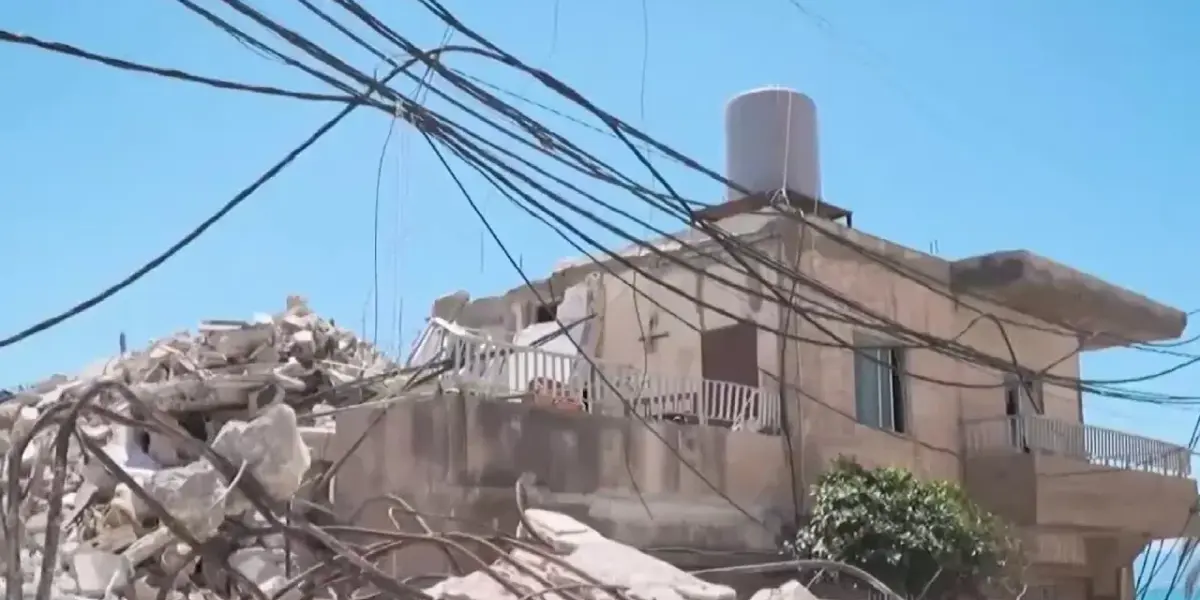
Devastation in Tyre as Israeli Strikes Hit Homes
Just moments before a ceasefire was set to take effect last week, Fadel Hejaz sat with his eight-year-old grandson in the southern Lebanese city of Tyre. Laughter filled the air as family members, including his wife and daughter, prepared for sleep.
Suddenly, an Israeli airstrike shattered their home and their lives. The blast felt like an earthquake, burying Hejaz under falling debris.
When he awoke, his entire family inside the home was gone. His wife, daughter, and grandchildren perished in the attack.
Hejaz, trapped beneath the rubble with his grandson, had no warning before the strike. “I don’t understand why we were targeted,” he stated, emphasizing that everyone killed was an unarmed civilian.
Civilian Toll Mounts Amidst Escalating Conflict
Local officials report that nearly 30 people died in the strike on Hejaz’s home. The Israeli Defense Forces (IDF) have stated their targets are solely Hezbollah, and that these strikes are a response to Hezbollah attacks into Israel. Tyre is known as a Hezbollah stronghold, with its streets marked by the group’s yellow flags and images of Iran’s late Supreme Leader.
Fadel Hejaz, a survivor of decades of conflict, described this war as unlike anything he has experienced before. “We’ve lived through 50 years of wars and injustice, but nothing like this war has ever happened,” he said, highlighting the extreme devastation.
Fear and Resilience in the Face of Repeated Attacks
Just a few blocks away, Fatima, a 28-year-old mother of two, recounts her own harrowing experience. On April 8th, a day many in Lebanon consider the deadliest of the recent Israeli strikes, she received an Instagram warning about an impending attack. She managed to evacuate her apartment shortly before it was hit.
Her family survived, but the physical destruction is immense. Their apartment building still stands without exterior walls, its floors covered in debris and scattered toys. Fatima now faces the challenge of raising her children amidst the trauma.
Children’s Trauma and the Struggle for Home
Fatima described how her children react to the sound of planes. “Whenever they hear a plane, they say, Mom, the plane is coming to destroy our toys,” she shared.
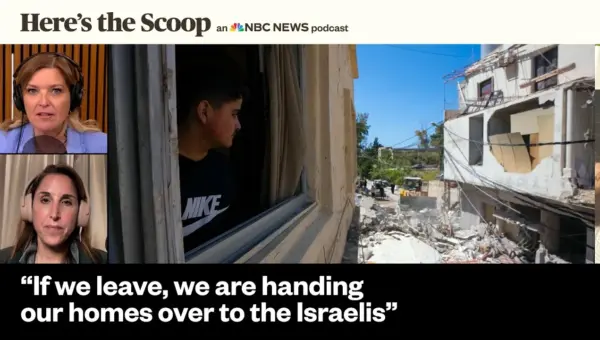
She tries to comfort them, but the fear is palpable. Leaving their home felt like surrendering it to the enemy.
Fatima and Fadel, now neighbors in their shared experience of loss and displacement, represent the countless civilians caught in the crossfire. Their stories highlight the immense human cost of the ongoing conflict.
Peace Talks Face Hurdles Over Buffer Zone
As peace talks between Israel and Lebanon are set to resume, significant challenges remain. One of the primary obstacles is the security buffer zone Israel insists on maintaining. Israel has stated it will not withdraw from this zone unless the Lebanese government commits to disarming Hezbollah, and shows real progress in doing so.
Hezbollah holds a considerable number of seats in Lebanon’s parliament. The central question facing negotiators is whether the Lebanese government possesses the actual ability to disarm the powerful group, even if they desire to do so. The buffer zone’s future is directly tied to this complex political and military reality.
Broader Implications and Future Outlook
The ongoing conflict and the stalled peace talks have significant implications for regional stability. The destruction in cities like Tyre and the displacement of families create long-term humanitarian crises. The international community watches closely, hoping for a resolution that prioritizes civilian safety and lasting peace.
The ability of the Lebanese government to address the influence of Hezbollah will be a critical factor in future negotiations. Progress on disarming the group is seen by Israel as a prerequisite for de-escalation and withdrawal from border areas. The coming days of talks will be crucial in determining the path forward.
Source: Take an inside look at war-torn Lebanon (YouTube)

Related Articles
Lebanon, Israel Peace Talks: Land & Security Top Agenda
Peace talks between Lebanon and Israel are set to take place in Washington D.C., with land and security as key issues. The conflict in Southern Lebanon has displaced over a million people, and a firsthand account reveals the devastating human cost. Hezbollah's absence from the talks adds complexity, while the outcome could impact U.S.-Iran relations.
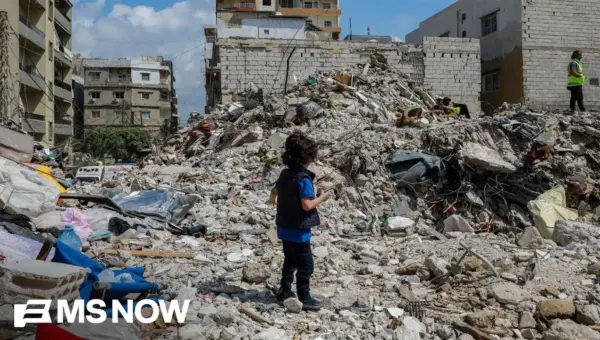
UNICEF: Lebanon Faces ‘Devastation’ After Conflict Escalation
Lebanon is facing immense challenges as hundreds of thousands return home to widespread destruction following recent conflict. UNICEF spokesperson James Elder described the situation as "bleak," with significant damage to homes, schools, and hospitals, leaving civilians feeling unsafe. The organization is working to meet critical needs for shelter, food, water, and specialized medical care for wounded children.
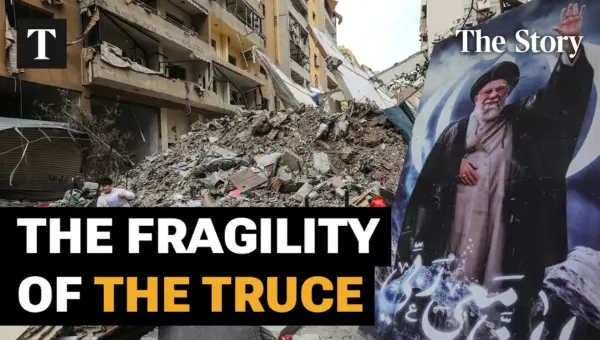
Lebanon Ceasefire: A Fragile Pause in Middle East Conflict
A fragile 10-day ceasefire between Israel and Hezbollah has brought a brief pause to intense fighting in Lebanon. The truce, brokered through external pressure from the U.S. and Iran, highlights the deep influence of these global powers on regional stability. However, analysts suggest lasting peace depends on decisions made in Tehran and Washington, not Beirut.