California’s Costly Conundrum: Gas Taxes and Homelessness Debated
California gubernatorial candidates clashed over gas taxes and homelessness solutions during a recent debate. Divergent views emerged on funding infrastructure, with proposals ranging from cutting gas taxes to implementing mileage-based fees, while homelessness strategies varied from prevention and treatment to stricter enforcement.


California’s Costly Conundrum: Gas Taxes and Homelessness Debated
During a recent debate, candidates for California governor tackled two of the state’s most pressing issues: the high cost of living, particularly gas prices, and the worsening homelessness crisis. The discussion revealed starkly different approaches to funding infrastructure and addressing the complex needs of unhoused individuals.
The Gas Tax Divide
The debate kicked off with the issue of California’s high gas tax, which stands at about 61 cents per gallon. This tax is intended to fund road repairs and public transportation, but candidates debated whether it should be reduced or eliminated.
Candidate Sire argued that high gas prices are due to a “war in Iran” started by then-President Trump, which he claims put billions into oil companies’ pockets. He proposed a windfall profit tax on oil companies, with the money returned to citizens. Sire stated that simply cutting the gas tax isn’t the answer, but rather taking on special interest oil companies.
Candidate Porter acknowledged the financial strain on families, sharing her own experiences as a single mother. However, she emphasized the importance of clean air and continued investment in cleaner fuels. Porter suggested moving away from a gas tax altogether and funding infrastructure through general taxes, aligning with a transition to cleaner energy sources.
Candidate Mayan supported a temporary suspension and reform of the gas tax, calling it regressive and a burden on working families. He contrasted his background in a working-class family with other candidates, promising to reform the tax to ensure a fairer share for those who need it most.
Candidate Bera defended the gas tax, stating it’s essential for maintaining roads and transportation infrastructure. He blamed President Trump for driving up gas prices through “reckless wars” and stressed the need to lower prices the “right way,” drawing on his parents’ experience building a life in California.
Candidate Biano called for the total elimination of the gas tax, attributing high gas prices to “Democrat policies” that he claims are destroying the oil and auto industries. He argued that government waste, fraud, and abuse are the real problems, not a lack of funds, and that infrastructure should be a higher priority than it currently is.
Candidate Hilton supported permanently cutting the gas tax in half and eliminating carbon climate policies. He questioned how a Republican governor could achieve this with a Democratic supermajority in the legislature. Hilton suggested using executive action to open up California oil production, bypassing legislative hurdles to lower gas prices.
The conversation then shifted to electric vehicles (EVs). Candidates were asked if EV drivers should pay a mileage-based road tax. Sire supported this, but also advocated for tripling EV credits to make them more affordable.
Porter argued against mileage taxes, stating they disproportionately affect lower-income Californians and suggested funding from the general fund. Mayan proposed a flat fee for all vehicles, while Bera remained open to options that the public supports to ensure infrastructure funding.
Biano firmly opposed any new taxes, including mileage taxes, blaming Democrats for excessive spending. Hilton also rejected mileage taxes, viewing them as a privacy concern and advocating for tax cuts instead.
The Homelessness Crisis: A Matter of Grades and Solutions
The debate then turned to homelessness, with candidates asked to grade Governor Newsom’s performance and outline their own plans. The scale of the problem was highlighted, with 187,000 people experiencing homelessness in California and 86% of poll respondents feeling the issue is worsening.
Porter gave Newsom a B on homelessness, praising his attention to the issue but suggesting a focus on homelessness prevention as more cost-effective and humane. She noted that for every person housed, another loses their home, indicating a need to address the root causes.
Mayan, declining a letter grade initially, highlighted San Jose’s success in moving people indoors through basic shelter and prevention, reducing unsheltered homelessness by nearly a third. When pressed, he gave Newsom a D for implementation, stating San Jose has led the way but results have not been delivered statewide.
Biser gave Newsom an A for effort but emphasized accountability for the billions spent. He proposed keeping people housed by providing assistance during job loss or medical emergencies, arguing it’s cheaper than picking people up off the streets.
Biano called the situation a “dismal failure,” reframing homelessness as a problem of “drug and alcohol induced psychosis” and mental illness, not a lack of homes. He proposed redirecting funds from nonprofits to drug and alcohol treatment centers and mental health services.
Hilton gave Newsom an F, stating the situation shames the state and that California has a disproportionate share of the nation’s homeless population. His plan involves making street camping illegal, mandating drug and mental health treatment, and reversing current Democrat policies.
Porter responded to Hilton by pointing out that many homeless individuals are working and not all have substance abuse or mental health issues, emphasizing the need to see the whole problem without demonizing individuals.
Biser criticized Hilton’s lack of government experience and his proposals, questioning the math behind his tax cut plans without revenue. Hilton countered by highlighting Biser’s lack of executive experience and his reliance on nonprofits.
Styer gave Newsom a B minus, stating “no one gets well on the street.” He advocated for emergency interim housing, emphasizing that street living itself can cause mental health problems. Styer believes people want to use interim housing that meets their needs, making it a compassionate and effective first step.
Mayan, referencing Styer’s comments, defended San Jose’s model, noting that while most people are willing to come indoors, some are unable or unwilling. He suggested a mandate might be necessary for those individuals.
The candidates also touched on their campaign platforms, with Mayan highlighting his experience with AI regulation in San Jose and Biser discussing his past as attorney general and chairman of the Democratic caucus.
Why This Matters
The debate highlighted the deep divisions in California regarding economic policy and social services. The candidates’ responses to the gas tax and homelessness reveal fundamentally different philosophies on the role of government, taxation, and individual responsibility. These issues directly impact the daily lives of millions of Californians, from their wallets at the gas pump to the safety and well-being of their communities.
The differing views on gas taxes highlight a conflict between environmental goals and immediate economic relief. Some candidates prioritize transitioning away from fossil fuels, even if it means higher initial costs or alternative funding mechanisms. Others focus on providing immediate financial relief to consumers, often by reducing or eliminating taxes associated with fossil fuels.
On homelessness, the divide is equally stark, ranging from addressing root causes like housing affordability and mental health to enforcing laws and mandating treatment. The sheer scale of spending on homelessness without a perceived solution has led to frustration and a call for accountability and new approaches. The candidates’ proposed solutions, whether through prevention, treatment, or enforcement, carry significant financial and social implications for the state.
Looking Ahead
As California grapples with these persistent challenges, the upcoming election will be crucial in determining the state’s direction. The candidates’ proposals for managing infrastructure funding and tackling homelessness will be put to the test, and voters will need to weigh which approaches best align with their vision for the state’s future. The debate served as a clear indicator of the policy battles to come, focusing on how to make California more affordable and address the humanitarian crisis on its streets.
Source: California governor’s debate (YouTube)

Related Articles

California Democrats Struggle to Find a Leader: Porter’s Temper and Trump’s Shadow
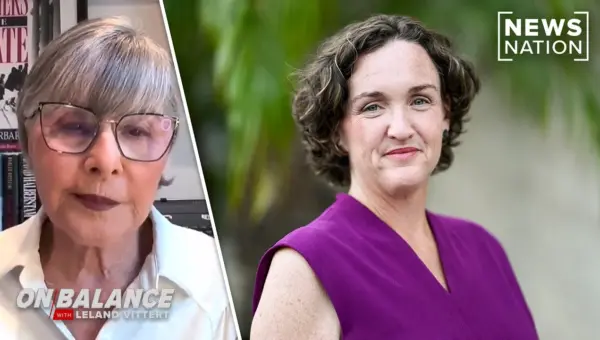
Former Senator Barbara Boxer discusses the California gubernatorial race, highlighting the challenges Democrats face in the jungle primary. She notes internal party divisions, candidate stumbles like Katie Porter's, and the need to win back disaffected voters rather than simply criticizing Donald Trump.
Iran Smells Fear: Trump’s Iran Strategy Falters
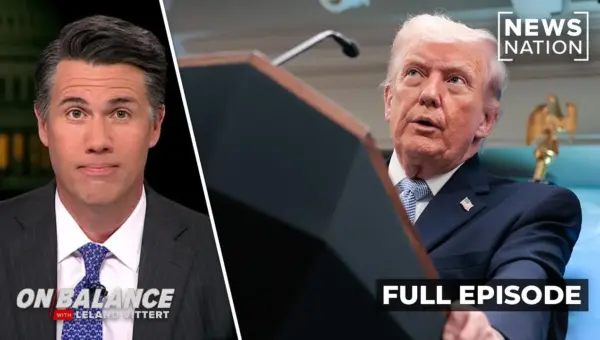
President Trump faces a complex situation with Iran, marked by shifting strategies and mixed messages. Meanwhile, California's Democratic party struggles to find a gubernatorial candidate, with Republicans leading the polls. Experts debate Iran's intentions and the U.S.'s best path forward, emphasizing strength and consistency.
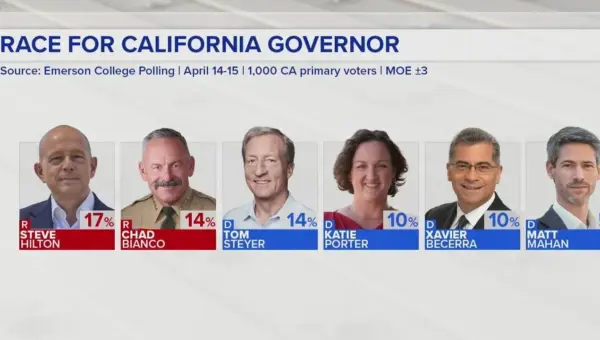
California’s Blue Wall Cracks: GOP Leads Governor Race
California's Democratic stronghold is facing a surprising challenge, with Republicans leading the polls for governor. The state's unique "jungle primary" system and a fragmented Democratic field are key factors. The upcoming debate is crucial as voters remain largely undecided.