Schools Ban Screens: A Bold Move for Smarter Kids
Los Angeles schools are limiting student screen time, banning devices for young children and restricting YouTube use. This move, praised by parents, comes amid research showing falling test scores linked to classroom technology. While some worry about preparing kids for a digital future, others see it as a necessary step for better learning and development.

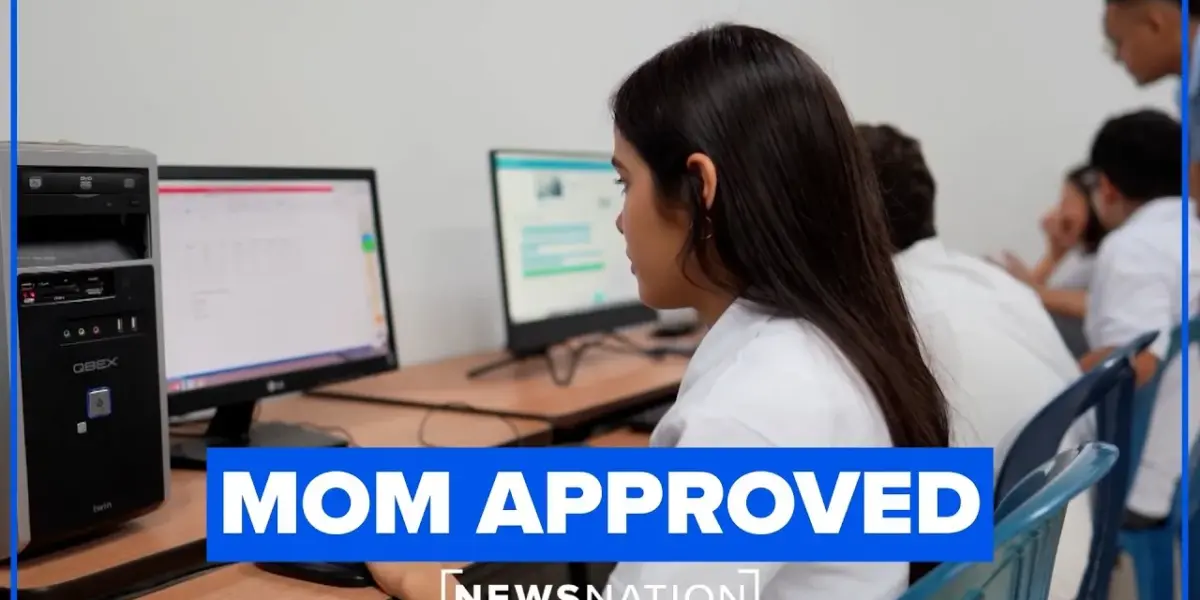
Schools Ban Screens: A Bold Move for Smarter Kids
The Los Angeles Unified School District has made a significant decision: they are limiting screen time for students in the classroom. This new policy unanimously passed by the school board sets specific screen time limits based on grade level.
It also completely removes technology for first graders and younger students. Plus, it stops students from using platforms like YouTube during school hours.
This move comes as a growing number of places are questioning how much time kids spend looking at screens for learning. States like Utah and Alabama have already passed laws to cut down on screen use in schools. Many other states are also looking at similar ideas.
Why the Change? Distraction and Falling Scores
One of the main reasons for this policy is the simple fact that digital devices can be very distracting. Even school-issued devices can lead students to scroll through videos, play games, or browse the internet instead of paying attention to lessons. This distraction isn’t just a minor issue; it can seriously hurt a student’s ability to learn and focus on their teacher.
Experts point to research showing that when devices were first introduced in classrooms around 2010-2012, test scores in reading and math started to fall. This trend has continued for over a decade, suggesting that the experiment of having students constantly on devices might not be helping their education. In fact, studies now indicate that this level of screen time can actually harm a child’s learning progress.
The district’s previous efforts to provide technology, spending millions on devices for students and teachers, are now being re-evaluated. The money spent on these devices is now seen by some as poorly invested, given the negative impact on student performance. This highlights a shift in thinking about how technology should be used, or not used, in educational settings.
The Counterargument: Preparing for a Digital Future
However, not everyone agrees that limiting screens is the best approach. Some argue that completely cutting off technology might actually harm students in the long run. They point to countries like China, where artificial intelligence (AI) education is becoming mandatory, even for young children.
China’s approach suggests that embracing technology, including AI, is the future. Making it part of the curriculum ensures that students are prepared for a world that will be even more digital. The concern is that by reducing screen time, schools might be leaving students unprepared for the technological advancements they will undoubtedly face.
This creates a difficult balance: how do we ensure students learn essential non-digital skills like critical thinking and human interaction, while also preparing them for a future driven by AI and digital tools? Some worry that without proper guidance, students might struggle to evaluate information from AI, especially if their foundational critical thinking skills haven’t been developed.
Looking Ahead: A Nationwide Trend?
The decision in Los Angeles could signal a larger shift across the country. If the research on the negative effects of excessive screen time in schools is as clear as some believe, other districts may follow suit. Parents and educators who prioritize their children’s cognitive development and overall well-being are likely to push for similar policies.
The goal is to ensure children receive an education that is at least as good as previous generations, one that doesn’t treat them as test subjects for new technology. The focus is shifting back to fundamental learning and interaction, with technology playing a more supportive, rather than dominant, role.
This movement suggests a growing desire to protect children from the potential downsides of constant digital engagement. It’s about finding a healthy balance, ensuring that technology serves education rather than hindering it. The coming years will likely show how widespread this trend becomes.
Why This Matters
This policy shift is important because it directly impacts how students learn and develop. It challenges the widespread belief that more technology in the classroom automatically means better education. Instead, it suggests that a thoughtful, limited approach to screens might be more beneficial for young minds.
The debate highlights a critical issue: how do we prepare children for a future filled with technology without sacrificing essential skills like critical thinking and social interaction? This decision in LA is a clear signal that many are questioning the current path and seeking a different way forward.
The future of education may involve a significant reduction in passive screen consumption during school hours. This could lead to more engaging, hands-on learning experiences. It also means a greater emphasis on developing core cognitive abilities before introducing complex digital tools.
The Bigger Picture
Historically, educational tools have evolved, from chalkboards to textbooks to computers. Each new technology brought promises of improved learning. However, the rapid and sometimes uncritical adoption of digital devices in recent years has led to unintended consequences.
The push by the Los Angeles Unified School District is a reaction to a decade of data suggesting that these devices, when overused, can distract students and negatively impact academic performance. It’s a return to basics, prioritizing direct instruction and human connection over digital immersion.
This debate isn’t just about LA; it’s a national conversation about the role of technology in childhood development and education. As more research emerges, other school districts will likely face similar choices about screen time limits.
Future Outlook
The trend toward limiting screens in schools is expected to grow. Parents and educators are increasingly concerned about the effects of constant digital exposure on children’s attention spans, social skills, and overall well-being. This concern is driving demand for more traditional, focused learning environments.
We may see more states and districts implementing policies similar to Los Angeles. The focus will likely be on integrating technology purposefully, ensuring it supports learning rather than replaces essential educational interactions. This means using screens for specific tasks rather than as a constant presence.
The goal is to equip students with both digital literacy and strong fundamental skills. This balanced approach aims to prepare them for a complex future, ensuring they can thrive in a technologically advanced world while maintaining essential human capabilities. The success of these new policies will be closely watched.
Source: LA School District limits screen time for students; mom praises new policy | The Hill (YouTube)

Related Articles


LA Schools Limit Screen Time, Prioritize Pen and Paper
Los Angeles Unified School District is limiting screen time for students, including banning devices in first grade and restricting YouTube access. This move, driven by parental concerns about addictive technology, aims to bring back traditional learning methods and could influence schools nationwide.


LA Schools May Ban Student Screens, Boost Pen and Paper
The LA Unified School District is considering a groundbreaking policy to limit student screen time, potentially becoming the first major district to ban devices for young children and set strict limits for others. Driven by parent concerns about health and education, the proposal also includes no screens during recess and restricted access to platforms like YouTube.


Limit Screen Time for Under-Fives to One Hour, New Guidance Urges
New government guidance in England recommends limiting screen time for children under five to one hour per day. Experts warn that excessive use crowds out vital developmental activities like play and parent interaction, and that fast-paced content can be difficult for young brains to process. The advice aims to help parents navigate screen time challenges and promote healthier digital habits.