UNICEF: Lebanon Faces ‘Devastation’ After Conflict Escalation
Lebanon is facing immense challenges as hundreds of thousands return home to widespread destruction following recent conflict. UNICEF spokesperson James Elder described the situation as "bleak," with significant damage to homes, schools, and hospitals, leaving civilians feeling unsafe. The organization is working to meet critical needs for shelter, food, water, and specialized medical care for wounded children.

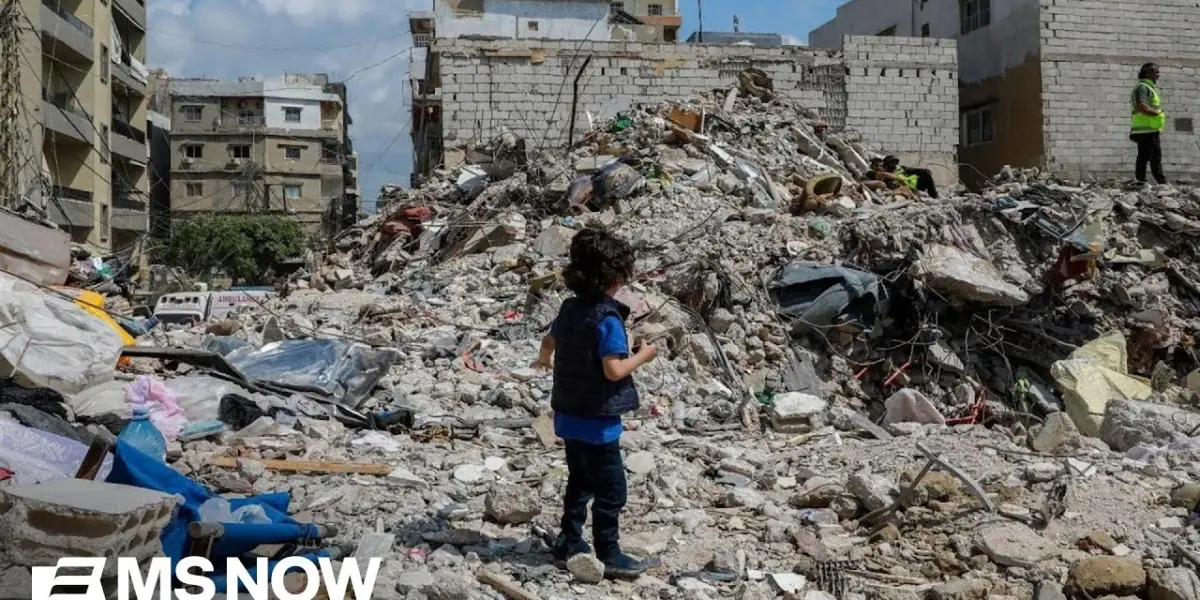
Lebanon Reels from Widespread Destruction as Ceasefire Holds Precariously
A fragile 10-day ceasefire between Israel and Hezbollah has allowed hundreds of thousands of displaced Lebanese residents to begin returning home. However, the country faces immense challenges as it grapples with widespread destruction and trauma following recent escalations in conflict. UNICEF spokesperson James Elder described the scene as “bleak,” with “so much death, so much destruction” impacting civilian lives and essential infrastructure.
Devastating Impact on Civilian Life and Infrastructure
Elder, speaking from Lebanon, painted a grim picture of a nation turned upside down. “Everywhere I look in the rubble, it’s the remnants of a family home,” he stated, emphasizing that many of those killed were essential workers like teachers, doctors, and nurses, alongside children. The destruction has not been limited to homes; schools, hospitals, and vital water systems have also suffered severe damage, leaving people feeling unsafe and unmoored.
“So much of the destruction has been civilian and infrastructure, things that children and families rely upon. Schools, hospitals, there’s been real devastation to the healthcare system.” – James Elder, UNICEF Spokesperson
Ferocity of Attacks Leaves Deep Scars
The intensity of recent attacks has been particularly alarming. Elder highlighted an incident on April 8th, where over 100 strikes occurred in less than 10 minutes, an event he described as having no parallel globally in recent times. This ferocity has left deep scars on the society, fracturing people’s sense of security and making them hesitant to fully commit to returning home or sending children back to school, despite the current ceasefire.
Critical Needs for Returning Families
For organizations like UNICEF, the challenges are immense as people return to devastated areas. “Displacement… It’s violent.
It’s repetitious,” Elder explained, noting that hundreds of thousands of children and their families are in shelters. The immediate needs include shelter, food, clean water, and sanitation, as existing systems have been destroyed. UNICEF is working to provide essential supplies like biscuits and blankets, as well as clothing and nutrition support.
Rebuilding Lives and Providing Specialized Care
Beyond immediate survival needs, the psychological and medical toll is significant. “So many of those people, hundreds of thousands of those people and children are in shelters,” Elder said, detailing the need for water and sanitation. UNICEF is also a critical provider of education, with many children unable to attend school.
A particularly vital service is the specialized medical care UNICEF is fully funding for any child wounded in the conflict. This includes covering the costs of multiple surgeons and providing care for severe injuries, like those sustained by three sisters and their mother in a single airstrike.
A Long Road to Recovery
The situation remains dire, with a long road ahead for recovery and rebuilding. The trust needed for communities to fully resettle and restart their lives will only come with sustained peace and visible evidence of safety, such as the absence of airstrikes and drones. The resilience of the Lebanese people and the critical work of humanitarian organizations like UNICEF are central to navigating this deeply unsettling period.
Looking Ahead
New talks are planned in Washington D.C. This week, aiming to solidify the ceasefire and address the underlying issues. The international community will be watching closely to see if these discussions can lead to lasting stability and provide the necessary support for Lebanon’s recovery from the extensive damage and trauma it has endured.
Source: 'So much death, so much destruction': UNICEF spokesperson describe conditions in Lebanon (YouTube)

Related Articles
UNICEF: Children Face Trauma as Lebanon Bombing Continues
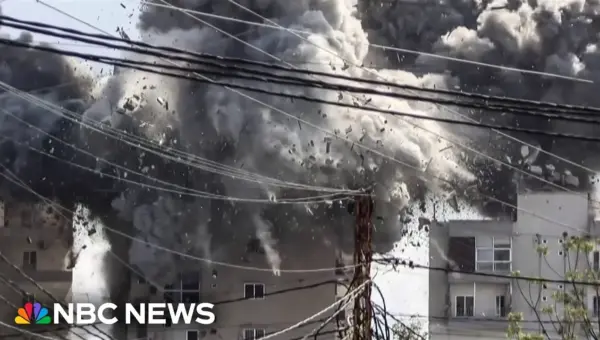
UNICEF reports that hundreds of thousands of children in Lebanon are displaced and suffering immense trauma due to ongoing Israeli bombing campaigns. Significant funding cuts to global aid are hampering critical relief efforts, leaving the organization severely underfunded. Families returning home find their houses destroyed, with many questioning the targeting of civilian areas and schools.


Senator Slams Defense Secretary Over Iran War Civilian Deaths
Democratic senators are demanding answers from Defense Secretary Hegseth regarding civilian deaths in the Iran war. Citing specific incidents and program cuts aimed at preventing casualties, Senator Chris Van Hollen criticizes Hegseth's "complete disregard for civilian harm." Lawmakers are also questioning Hegseth's decisions on military vaccine policies and internal Pentagon disputes.

Cuba Faces Collapse Amid US Oil Blockade Crisis
Cuba is facing an unprecedented crisis driven by a U.S. oil blockade, leading to widespread blackouts and societal breakdown. Essential services are failing, and ordinary citizens are experiencing severe shortages of food, medicine, and basic necessities. The nation's economy, crippled by lack of fuel and a collapsed tourism sector, is at a critical tipping point.