Lebanon Ceasefire Holds, But Returnees Face Uncertainty
A U.S.-brokered ceasefire between Israel and Lebanon is holding, allowing some displaced Lebanese to return home. However, returnees face widespread devastation and lingering uncertainty due to the continued Israeli military presence and unresolved issues surrounding Hezbollah. Many fear the current truce is only a temporary pause in the conflict.


Fragile Peace Returns to Lebanon Amidst Unresolved Issues
A U.S.-brokered ceasefire between Israel and Lebanon, which began yesterday, appears to be holding for now. The truce is scheduled to last for 10 days, with Hezbollah reportedly abiding by its terms.
However, significant challenges remain, including the continued presence of Israeli troops in southern Lebanon. Six weeks of intense fighting between Israel and the militant group Hezbollah have resulted in thousands of casualties in Lebanon and displaced over a million people.
Lebanese Return Home to Devastation
Celebratory fireworks lit up southern Beirut as the ceasefire took effect, bringing immense relief to the Lebanese capital after six weeks of heavy Israeli strikes. By dawn, residents began returning to areas in the capital considered strongholds of the Iranian-backed Hezbollah militia. These neighborhoods had been repeatedly hit by Israeli air raids during the conflict.
“It feels really good right now,” said one resident. “Friends and family have started calling so we can meet again, like before the war when we used to get together.” Despite safety warnings from Lebanese authorities, thousands have started heading back to their homes in southern Lebanon.
Makeshift repairs to a crucial bridge, destroyed by an Israeli air strike, have enabled travel south. Those returning are met with widespread destruction. “There’s devastation everywhere.
It’s just no longer livable,” stated another returnee. “We’re gathering our belongings and leaving once more.
May God protect these young people. We hope this ends permanently, not just temporarily, so we can return to our homes and our livelihoods.”
Lingering Israeli Presence Fuels Doubts
The area people are returning to is south of the Litani River, which Israel had declared a buffer zone. Israeli troops still occupy parts of this territory.
Israel has warned that residents returning to this zone might have to leave again if fighting resumes. An Israeli military statement indicated the area has not yet been cleared of terrorists and weapons, suggesting potential for further military action or diplomatic resolution after the ceasefire ends.
“The area between the security zone and the Litani line, which is currently under our fire control, has not yet been cleared of terrorists and weapons,” the statement read. “This will have to be cleared out either through diplomatic means or by continued IDF military activity once the ceasefire ends. If the fighting resumes, those residents who return to the security zone will have to be evacuated to allow completion of the mission.”
Uncertainty Clouds the Future for Displaced Lebanese
DW correspondent Stella Men, reporting from Beirut, noted that most people do not believe the ceasefire will last beyond its 10-day duration. “I’ve been to the south of Lebanon throughout the entire day.
I spoke with many different people and most people I talked to are not very positive that this ceasefire will last longer than 10 days,” Men reported. Some are returning with the hope of repairing their homes, while others simply want to assess the damage.
The mood among the Lebanese is varied. Many are simply exhausted by the conflict and grateful for a brief respite.
“A lot of people are just very tired first of all of the entire situation,” Men explained. “And they are happy that now at least they can breathe and they have a little breakthrough just a little time to breathe to calm down a bit.”
However, some are critical of Hezbollah for drawing Lebanon into another war. Others distrust Israel, recalling past ceasefire violations.
“Many people who I’ve spoken to today said who do we know that this time that this time it might be the same? How can we trust that this time it will be different?” Men added.
Ceasefire Violations Reported Amidst Tensions
Despite the ceasefire, Lebanese state media reported several incidents involving Israeli actions in southern Lebanon. The Israeli army reportedly used a drone to target a car overnight, killing the driver.
Hezbollah retaliated by attacking Israeli soldiers in Lebanese territory. The Israeli army also conducted ground operations and carried out strikes on a car and a scooter just before the live report.
Disarming Hezbollah Remains a Major Hurdle
A significant challenge is Israel’s demand for Hezbollah to be disarmed. The Lebanese state is weak and bankrupt, with an army less powerful than Hezbollah.
While the Lebanese government has attempted to disarm the group, particularly south of the Litani River, it has not succeeded nationwide. Forcing disarmament could risk an internal conflict, which many Lebanese fear, given the country’s history of civil war.
Israeli Public Opinion Divided on Ceasefire
In Israel, public reaction to the ceasefire is mixed. Polls indicate that 80% of Israelis support continued fighting, reflecting frustration over a prolonged conflict that has not achieved promised outcomes. Many Israelis are eager to resolve the threat posed by Hezbollah, especially since over a third of Israelis living in the north have been displaced and cannot return home.
Conversely, some Israelis see the truce as a potential opportunity for a historic peace deal. However, for many, the success of any agreement hinges on the Lebanese government’s willingness and ability to dismantle Hezbollah as a threat. Prime Minister Netanyahu has stated Israel will maintain a 10-kilometer buffer zone inside Lebanon.
Life Under the Shadow of Conflict
Israelis are generally tired of the ongoing conflict. For those in northern Israel, life has been severely disrupted by Hezbollah’s bombardment, with many spending days in shelters and schools closed. In contrast, life in cities like Tel Aviv has returned to a semblance of normalcy since the conflict with Iran subsided, though awareness of potential air raids remains.
“People are trying to go about their lives as best and as normal as they possibly can, but always keeping in mind that war could restart,” described DW correspondent Emily Gordin from Jerusalem. “They will have to go and seek shelter.
It could get worse again. So, it’s a constant hamster wheel really of you know trying to go to work, put bring the kids to school, trying to live your life but also always being aware of it could start again.”
The fragile ceasefire holds for now, but the returnees to southern Lebanon face a landscape of destruction and deep uncertainty about their long-term safety and the possibility of renewed conflict.
Source: Lebanese return home after Israel-Lebanon ceasefire — but is it safe? | DW News (YouTube)

Related Articles

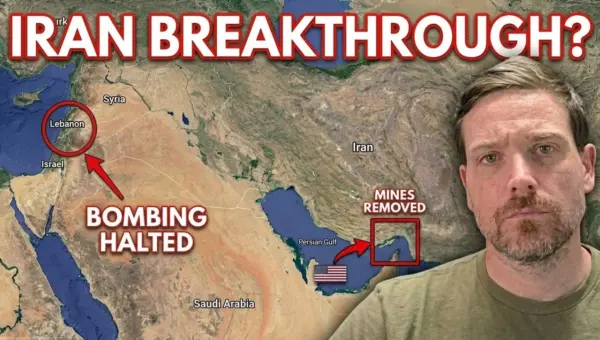
Trump’s Mideast Declarations Spark Hope and Doubt
President Trump's recent statements on the Strait of Hormuz, Iran's nuclear program, and the Israel-Hezbollah conflict have sparked both hope and skepticism. While Iran claims the Strait is open, conditions remain, and the true scope of any nuclear deal is unclear. The fragile Hezbollah ceasefire adds another layer of complexity to the region's volatile situation.

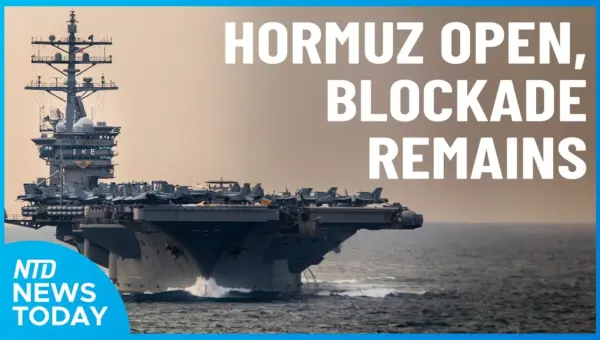
Middle East Peace Deal, FISA Extension Shake Up Politics
President Trump announced Iran's agreement to open the Strait of Hormuz, coinciding with an Israel-Lebanon ceasefire, impacting oil prices and markets. Meanwhile, the Senate extended FISA surveillance powers for 10 days amidst privacy concerns. Health Secretary Robert F. Kennedy Jr. testified on combating fraud and chronic disease.


Middle East Peace Deal Sends Oil Down, Dow Up
Signs of peace in the Middle East have sent oil prices tumbling to $82 a barrel and boosted the Dow Jones Industrial Average by hundreds of points. This market shift follows intensified diplomatic efforts, driven partly by Iran's severe economic struggles. The potential for a nuclear material recovery deal and a new U.S. foreign policy approach are key developments.