US and Iran Edge Toward Peace Talks Amidst Tensions
United States and Iran are reportedly nearing a second round of peace talks, with Pakistan mediating the discussions. This diplomatic push occurs amidst a U.S. naval blockade of Iranian ports and ongoing economic pressure. While signs of optimism emerge, significant tensions and domestic political considerations remain.

Diplomacy Gains Momentum, Pakistan Mediates
Signs of progress are emerging in efforts to de-escalate the conflict between the United States and Iran. Senior Pakistani officials have indicated that the two nations are likely to hold a second round of peace talks next week.
Pakistan, which has stepped in as a mediator, is expected to host these crucial discussions once again. This development comes as a fragile ceasefire nears its expiration date, adding urgency to the diplomatic push.
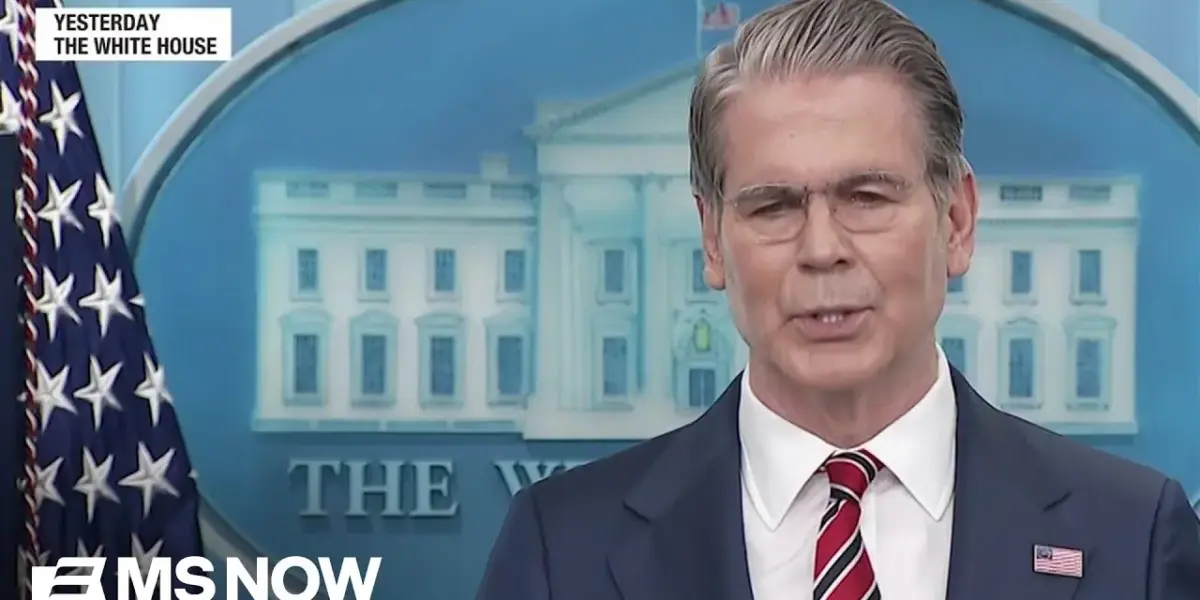
A White House official confirmed that future talks are being discussed, though no specific date has been set yet. Adding to the optimistic outlook, Pakistan’s army chief visited Tehran yesterday to meet with Iran’s foreign minister. This visit is part of ongoing efforts to ease tensions and enable further negotiations.
Mixed Signals: Optimism Meets Economic Pressure
Despite hopeful signs, the path toward peace is not without its challenges. While there’s optimism about potential diplomatic breakthroughs, the United States is also signaling a continuation of economic pressure.
Treasury Secretary Scott Besant announced plans to intensify efforts to freeze assets belonging to Iranian leadership and members of the Islamic Revolutionary Guard Corps (IRGC). This move aims to increase leverage in pursuit of a deal.
“One of the what may prove to be fatal mistakes that the Iranians made was bombing their GCC neighbors and who are now willing to be much MORE TRANSPARENT IN TERMS OF THE FUNDS OR DO A DEEPER DIVE IN INVESTIGATING THE FUNDS THAT ARE HELD WITHIN THEIR BANKING SYSTEMS,” Besant stated, highlighting the rationale behind increased financial scrutiny.
The U.S. is also warning countries that purchase Iranian oil or hold Iranian money in their banks about potential secondary sanctions. This stern measure is described as the financial equivalent of military actions, signaling a dual approach of diplomacy and economic enforcement.
Naval Blockade Tightens, Iran Vows Retaliation
In parallel with diplomatic overtures, the U.S. Central Command (CENTCOM) has implemented a naval blockade of Iranian ports along the Strait of Hormuz. CENTCOM reports that no ships have successfully passed through the blockade since its commencement on Monday morning. Nine vessels reportedly turned back within the first 48 hours after receiving warnings.
CENTCOM released audio recordings of the warnings issued to ships approaching the restricted area. The U.S. has formally declared the blockade, emphasizing that vessels attempting to transit to or from Iranian ports will be boarded for inspection and potential seizure. The Navy has stated its readiness to use force to ensure compliance with the blockade, effectively halting maritime trade in and out of Iran.
Iran’s Response and China’s Role
Iran has responded to the blockade by vowing retaliation and threatening to disrupt shipping in the wider region, including potential actions in the Red Sea. Meanwhile, President Trump commented on social media regarding the blockade, suggesting that China supports the U.S. effort to keep the Strait of Hormuz open. He also claimed that China has agreed not to send weapons to Iran and anticipates a positive meeting with Chinese President Xi Jinping soon.
Matthew Bartlett, a former U.S. State Department appointee, discussed the significance of China’s potential involvement. He noted that the blockade could impact oil shipments to China, a critical component of its economy.
This, he suggested, could put pressure on China to influence Iran’s behavior and encourage an end to the conflict. Bartlett also touched upon reports of China shipping arms to Iran, linking it to broader geopolitical concerns involving countries like Russia.
Domestic Political Considerations
The ongoing conflict and the U.S. response are also creating political dynamics domestically. Analysts like Bartlett point out that the focus on foreign conflicts and increased military spending could be a challenging talking point for Republicans, especially with upcoming elections. This comes at a time when many Americans are concerned about economic affordability, including rising gas prices, which are linked to global instability.
Republicans in office and running for re-election are reportedly hesitant to focus on the war, preferring to address domestic economic concerns. The disconnect between the administration’s focus on international affairs and the public’s immediate economic worries is a significant political consideration. The effectiveness of the Republican party’s strategy may depend on the resolution of the conflict and its impact on the economy, particularly gas prices, by November.
Looking Ahead
With the fragile ceasefire nearing its end and diplomatic talks potentially resuming next week, the coming days will be critical. The effectiveness of the U.S. naval blockade and Iran’s response, alongside the complex role of China, will shape the trajectory of the conflict. Domestically, the economic implications, especially concerning energy prices, will remain a key focus for voters and politicians alike as the election cycle progresses.
Source: Officials: U.S. and Iran to likely meet next week (YouTube)

Related Articles

Trump Administration Blocks Iran Ports Amid Nuclear Talks
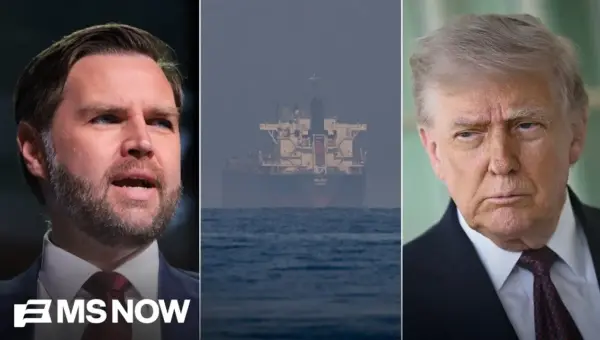
The U.S. has tightened its naval blockade around Iran's ports, potentially violating a cease-fire as peace talks are being organized for next week. Concerns are mounting over the experience of the American negotiating team, led by Jared Kushner and Steve Witkoff, amid disagreements on a proposed 20-year nuclear moratorium. The situation remains tense as thousands of U.S. troops arrive in the region.
China Agrees Not to Send Weapons to Iran, Trump Claims
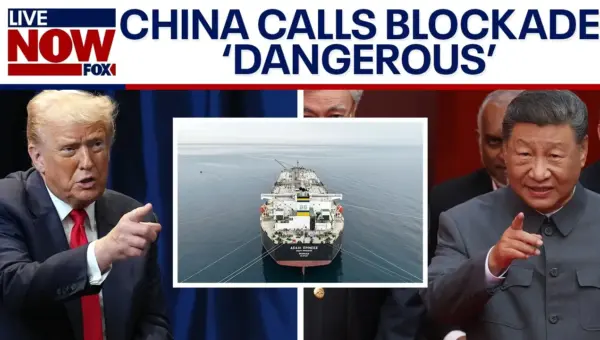
President Trump claims China has agreed to stop sending weapons to Iran, a move aimed at increasing pressure on Tehran. The U.S. is also tightening economic sanctions and enforcing a naval blockade on Iranian ports. Diplomatic talks are ongoing as a ceasefire nears its expiration.

Iran Talks Resume as Trump Faces Costly Compromise
Renewed diplomatic efforts are underway as the U.S. and Iran engage in talks aimed at de-escalating rising tensions. Reports suggest a potential deal mirroring past agreements, focusing on limiting Iran's uranium enrichment. This comes after a period of conflict that saw significant costs and damaged U.S. global standing.