EU Parliament Debates Mideast Conflicts, Iran Sanctions, and Ukraine Aid
EU Parliament members convened to address escalating global conflicts, focusing on the war in Iran, tensions at the Strait of Hormuz, and support for Ukraine. Discussions also covered European security concerns regarding Russia and the potential for enhanced cooperation with Gulf countries.

EU Parliament Tackles Global Conflicts
Members of the European Parliament convened in Brussels to discuss pressing global conflicts, with a particular focus on the Middle East and the ongoing war in Ukraine. The session, broadcast live, featured discussions on security, trade, and international cooperation, highlighting the complex geopolitical challenges facing the European Union and its partners.
Iran War and Strait of Hormuz Tensions
A significant portion of the discussion centered on the war involving Iran. Reports from the briefing indicated that the United States, under the Trump administration, declared a victory in the conflict, with President Trump suggesting peace talks could potentially restart. However, disagreements on the terms of a potential deal, specifically regarding the duration of uranium suspension, showed significant gaps between the U.S. and Iran.
The situation at the Strait of Hormuz remained a critical point of concern. U.S. Central Command announced the complete implementation of a blockade on Iranian ports, which they stated has halted Iran’s economic sea trade, a sector making up 90% of its economy.
Despite this, Iranian media claimed the country planned to use alternative southern ports to bypass the blockade, though the veracity of these claims was questioned. The UK and France announced plans to host a virtual meeting to address the ongoing issues at the Strait.
European Security and Russian Sanctions
European lawmakers expressed strong concerns about the Russian threat to European security. The parliament questioned whether the GCC (Gulf Cooperation Council) would consider asking its member states to adhere to sanctions imposed against Russia.
This question arose due to observed circumvention of sanctions, with some Gulf countries reportedly maintaining ties with the Russian Federation. The parliament emphasized the need to stop the war in Ukraine and support its reconstruction and modernization.
Cooperation with Gulf Countries and Ukraine
The session highlighted a strong European desire to cooperate with Gulf countries, both individually and as a group. Lawmakers commended the work being done to build bridges and foster mutual understanding. However, concerns were raised about the alleged role some member states play in conflicts like the one in Sudan, which complicates efforts for increased cooperation and trade.
Regarding Ukraine, a joint action plan between the GCC and Ukraine was mentioned, covering areas like science, technology, economy, and food security. The GCC has engaged in ministerial meetings with Ukraine and expressed a willingness to strengthen their relationship.
Some GCC countries are reportedly using Ukrainian technology to counter drones from Iran. The GCC’s commitment to Ukraine was reiterated, with mentions of Saudi Arabia hosting peace talks and the UAE and Qatar playing roles in prisoner exchanges between Russia and Ukraine.
Lebanon and Israel Diplomatic Talks
In a separate but related development, Lebanon and Israel held their first direct diplomatic talks in decades. This historic meeting, brokered by the U.S. In Washington D.C., followed a month of conflict between Israel and the Iran-backed Hezbollah militant group. U.S. Secretary of State Marco Rubio described the talks as a “historic opportunity,” while cautioning that immediate breakthroughs were not expected.
Human Rights and Individual Cases
The discussion also touched upon human rights concerns. One member of the European Parliament brought up the case of Abdulhadi Al-Khawaja, a Danish citizen imprisoned in Bahrain for 15 years for advocating human rights. He was described as arbitrarily detained according to UN declarations, and a plea was made for assistance in his release, aligning with Bahrain’s international obligations.
Looking Ahead
The discussions in the EU Parliament highlight the interconnectedness of global security challenges. As tensions remain high in the Middle East and the war in Ukraine continues, the focus will likely remain on diplomatic solutions, the enforcement of international sanctions, and the strengthening of partnerships to ensure regional stability and peace. The effectiveness of these diplomatic efforts and the willingness of all parties to engage constructively will be crucial in navigating the complex path forward.
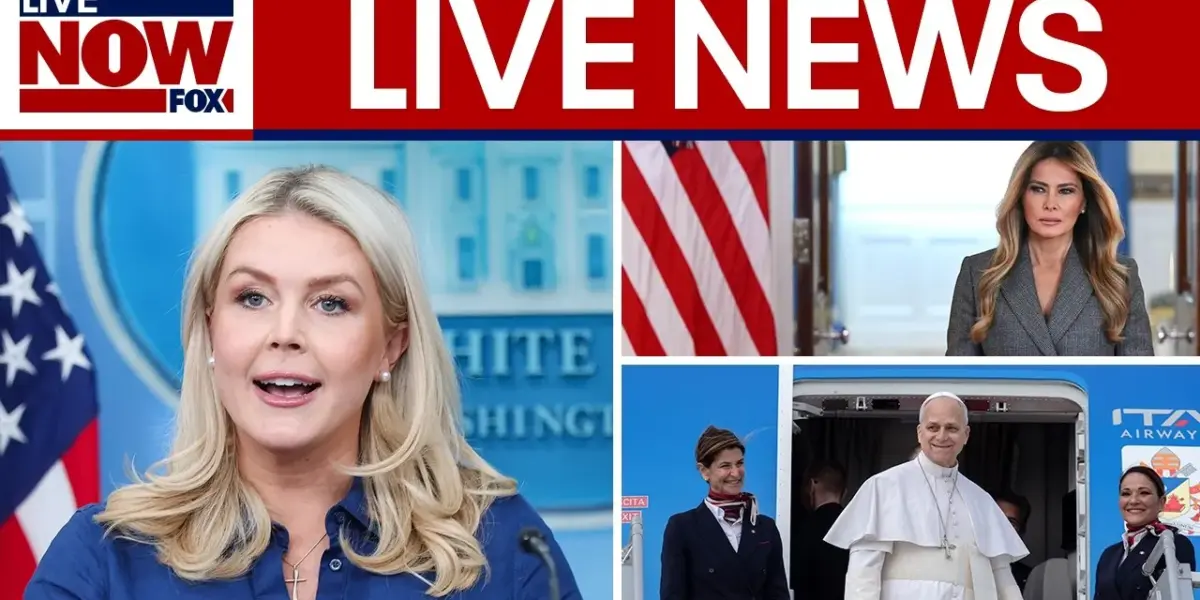
Source: LIVE: White House Briefing Amid Iran War, Pope in Africa, Strait Blockade Continues, & more (YouTube)

Related Articles
US Navy Lacks Ships to Secure Key Oil Route
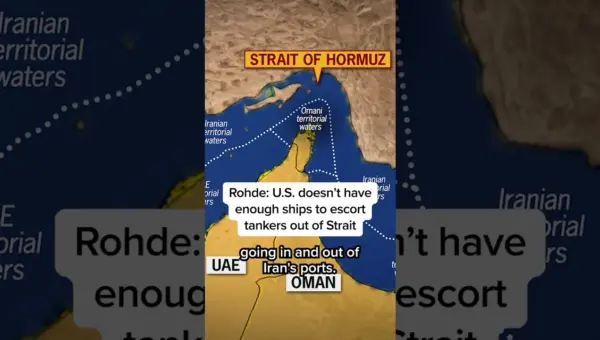
The U.S. Navy lacks sufficient ships to escort oil tankers through the critical Strait of Hormuz, according to senior national security reporter David Rohde. This shortage impacts efforts to ensure global oil flow and stabilize energy prices. The situation highlights broader challenges in U.S. maritime strategy and fleet readiness.
Jet Fuel Prices Skyrocket Amid Iran Supply Crisis
Soaring jet fuel prices to record highs are driven by disruptions in the Strait of Hormuz due to the ongoing conflict in Iran. Europe faces critical shortages as imports from the Middle East plummet, leading to higher airline costs and ticket prices. The crisis underscores the fragility of global supply chains and their impact on the wider economy.

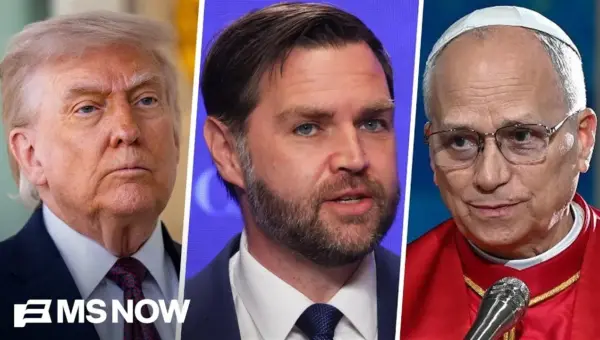
Democrat Slams Trump, Vance for Attacking Pope Over Iran War
Democratic Congressman Greg Landsman calls attacks on Pope Francis by President Trump and Senator J.D. Vance "insane" amid the ongoing Iran conflict. Landsman, who now supports a War Powers Resolution, criticized the president's lack of clear communication and failure to build a coalition. He urged more people of faith to speak out against the war, echoing the Pope's call for peace.