Pope Leo XIV Rebukes Trump’s ‘War Criminals’ Regime
Pope Leo XIV has directly challenged Donald Trump's administration, labeling it a "regime of war criminals." The Pope's strong words, delivered from Cameroon, come amid reports of death threats against his brother and accusations of intimidation from Trump's circle. This spiritual leader's stance ignites a debate on faith, politics, and moral authority.

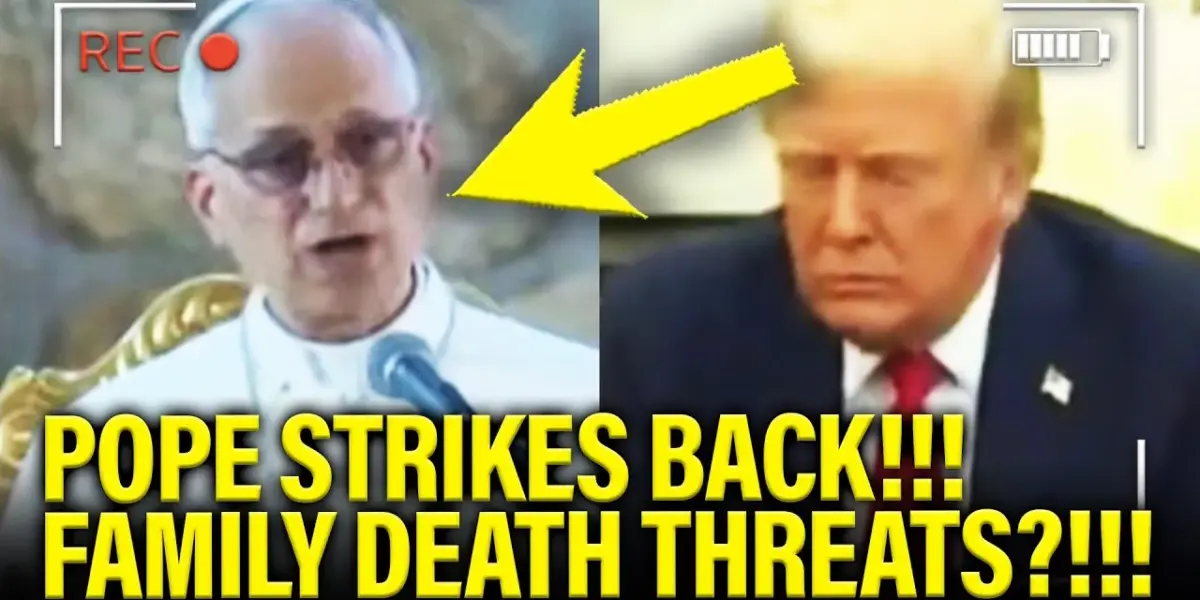
Pope Leo XIV Rebukes Trump’s ‘War Criminals’ Regime
Pope Leo XIV has delivered a strong rebuke against Donald Trump and his administration, calling it a “regime of war criminals.” The Pope made these powerful statements during a recent visit to Cameroon. This comes at a time when tensions appear to be escalating, with reports suggesting that Pope Leo XIV’s brother in the United States has received death threats. These threats are believed to be connected to Donald Trump and his allies, who have allegedly been attacking the Pope through various media channels.
The situation has grown more serious with claims that Pope Leo XIV himself has been receiving direct threats from Trump’s circle. In January, it’s reported that Trump’s administration summoned the Pope’s top ambassador to the U.S. The message was clear: fall in line or face consequences reminiscent of the 14th-century Avignon Papacy, where the French monarchy exerted significant control over the Pope. This historical parallel was reportedly used to intimidate the Pope into silence regarding Trump’s actions.
A Call for Peace Amidst Conflict
Despite these pressures, Pope Leo XIV has shown no signs of backing down. In his speech in Cameroon, he directly addressed the manipulation of religion for political gain. “Blessed are the peacemakers,” he stated, “but woe to those who manipulate religion and the very name of God for their own military, economic or political gain.” He condemned actions that drag sacred matters into “darkness and filth,” clearly targeting those who use faith to justify conflict.
The Pope extended his message to include those who hunger and thirst for justice, the poor, the merciful, and the pure of heart. He described them as the “light of the world.” He also spoke about the world being “ravaged by a handful of tyrants,” a statement many interpret as a direct reference to leaders like Trump, Vladimir Putin, and Benjamin Netanyahu. He contrasted this with the “multitude of supportive brothers and sisters” who hold the world together.
The Masters of War and Their Tactics
Pope Leo XIV further criticized the “masters of war,” highlighting their apparent ignorance of the long-term consequences of destruction. “They pretend not to know that it takes only a moment to destroy,” he noted, “Yet often a lifetime is often not enough to rebuild.” He pointed out the vast sums spent on warfare while resources for healing, education, and restoration remain scarce.
The powerful speech in Cameroon was met with an enthusiastic response from the attendees, who found strength in their convictions despite suffering. The Pope assured them that in God’s peace, they could always begin anew. This message of hope and resilience resonated deeply with the community.
Defending Trump’s Actions and Criticizing the Media
In contrast to the Pope’s message, figures associated with Donald Trump have defended his actions and criticized the Pope’s stance. Pete Hegseth, for example, compared the media to the Pharisees who sought to accuse Jesus. He suggested that the press, like the Pharisees, have hardened hearts and pursue their own agendas, even when witnessing positive events or actions.
Hegseth also asserted that Donald Trump is his own decision-maker and does not have actions “foisted upon” him. He emphasized Trump’s commitment to defending the country’s interests, working with allies like Israel. He described military successes and rescue missions as “miracles,” framing them as historic achievements under Trump’s leadership.
Political Responses and Shifting Alliances
The Pope’s words have drawn criticism from various political figures, particularly within the MAGA Republican movement. Some argue that the Pope should refrain from engaging in political matters.
Mike Johnson, for instance, suggested that religious leaders who enter political discussions should expect political responses. He referenced the doctrine of “just war” to defend actions taken by the U.S. government, implying the Pope’s theological interpretations were out of step with the realities of global security.
Troy Nehls and Himenez, other Republican representatives, echoed similar sentiments, urging the Pope to “keep his business into leading his flock” and stay out of politics. They emphasized that the Pope was not elected to hold political office. One representative noted a distinction between spiritual and political leadership, stating allegiance to the Pope for spiritual matters and to the president for political ones.
International Reactions and Divided Opinions
The conflict has also garnered international attention. Tucker Carlson questioned the “civic religion” of the U.S. government and Donald Trump, suggesting it is not Christianity but rather the “defense of Israel.” This highlights a perceived shift in focus away from traditional religious values towards specific geopolitical interests.
Alexandria Ocasio-Cortez, however, questioned who holds moral authority if the Pope is being attacked. In a surprising turn, Iran’s president and parliamentary leader have publicly supported Pope Leo XIV, condemning insults directed at him and expressing solidarity with his stance against war crimes. This international support for the Pope from unexpected quarters highlights the significant impact of his statements.
Why This Matters
This situation highlights a growing tension between religious leadership and political power, particularly in the United States. The Pope’s willingness to speak out against perceived injustices and war crimes challenges political narratives and forces a confrontation with those who prioritize national interests or specific geopolitical alliances above all else. The debate over whether religious figures should engage in political discourse is a long-standing one, but the intensity of this particular exchange, involving accusations of death threats and historical intimidation, makes it a critical moment.
The controversy also reveals deep divisions within religious communities, particularly among Catholics, regarding their political allegiances. While some religious figures and followers align themselves with political leaders, others, like Pope Leo XIV, emphasize universal moral principles. The Pope’s message about the devastating cost of war and the need for peace and rebuilding is a clear reminder of the human consequences of political decisions, urging a broader reflection on the values that should guide leadership.
Implications and Future Outlook
The Pope’s strong words and the backlash he has faced could influence future political discourse and religious engagement. It raises questions about the role of moral authority in international relations and the potential for religious leaders to act as a check on political power. The support from unexpected international quarters, like Iran, suggests that the Pope’s message on peace and justice may resonate beyond traditional Western alliances.
The narrative also brings to light the complex relationship between faith, politics, and media. The use of religious rhetoric to justify political actions and the media’s role in amplifying or challenging these messages are central to understanding this conflict. As political campaigns continue, the Pope’s stance may become a significant factor for voters, especially those who feel that religious values are being eroded or manipulated for political gain.
Historical Context
The reference to the 14th-century Avignon Papacy is significant. During this period, the Popes resided in Avignon, France, under the influence of the French monarchy.
This era weakened the papacy’s independence and authority. The alleged threat to replicate this situation against Pope Leo XIV suggests a desire to control or silence the Church’s voice on political matters, a struggle that has echoed throughout history.
The invocation of the “just war” doctrine by figures like Mike Johnson points to a long theological tradition within Christianity that attempts to define the conditions under which war is morally permissible. However, the Pope’s critique appears to challenge interpretations that seem to justify ongoing conflicts, emphasizing the destructive nature of war and the need for peace-building over military solutions.
Looking Ahead
The ongoing exchange between Pope Leo XIV and Donald Trump’s allies highlights a critical debate about morality, power, and the public role of religious figures. As these events unfold, the world watches to see how these powerful voices will shape public opinion and influence future actions.
The Pope’s commitment to speaking truth to power, even in the face of threats, offers a powerful example of moral leadership. The next papal address or significant statement from the Vatican will be closely scrutinized for any further developments in this high-stakes dialogue.
Source: FURIOUS Pope STRIKES BACK at Trump after DEATH THREATS!!! (YouTube)

Related Articles
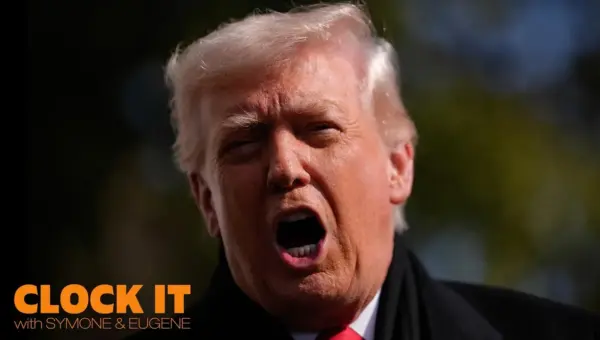
Trump’s ‘Unhinged’ Actions Spark Backlash, Divide MAGA Base
Donald Trump's AI-generated image of himself as a healer has caused a stir, drawing criticism from the Pope and even some within his own MAGA base. Meanwhile, Democrats are urged to plan for future political power, and the disconnect between cultural events like Coachella and real-world crises is noted.
Trump’s Fitness: A Divided Nation Seeks Answers
A debate on Donald Trump's fitness to lead reveals deep divisions, weighing democratic legitimacy against concerns over character and norms. Nuanced views highlight the role of authenticity and the impact of globalization on American workers.
Trump’s Pope Feud Fuels Political Gain, Analysts Say
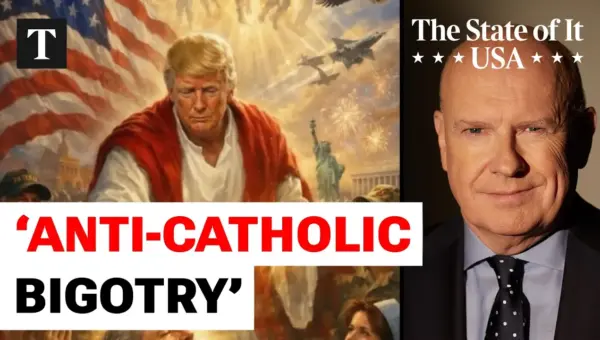
Donald Trump's social media post depicting himself as Jesus Christ has sparked controversy and debate about the role of religion in politics. Analysts suggest that while the post drew criticism, Trump's political base, including Catholic supporters, is likely to remain loyal, potentially even benefiting from the ensuing discussion. The incident also highlights historical anti-Catholic sentiments and the complex relationship between faith and political expediency in the United States.