US Navy Lacks Ships to Secure Key Oil Route
The U.S. Navy lacks sufficient ships to escort oil tankers through the critical Strait of Hormuz, according to senior national security reporter David Rohde. This shortage impacts efforts to ensure global oil flow and stabilize energy prices. The situation highlights broader challenges in U.S. maritime strategy and fleet readiness.

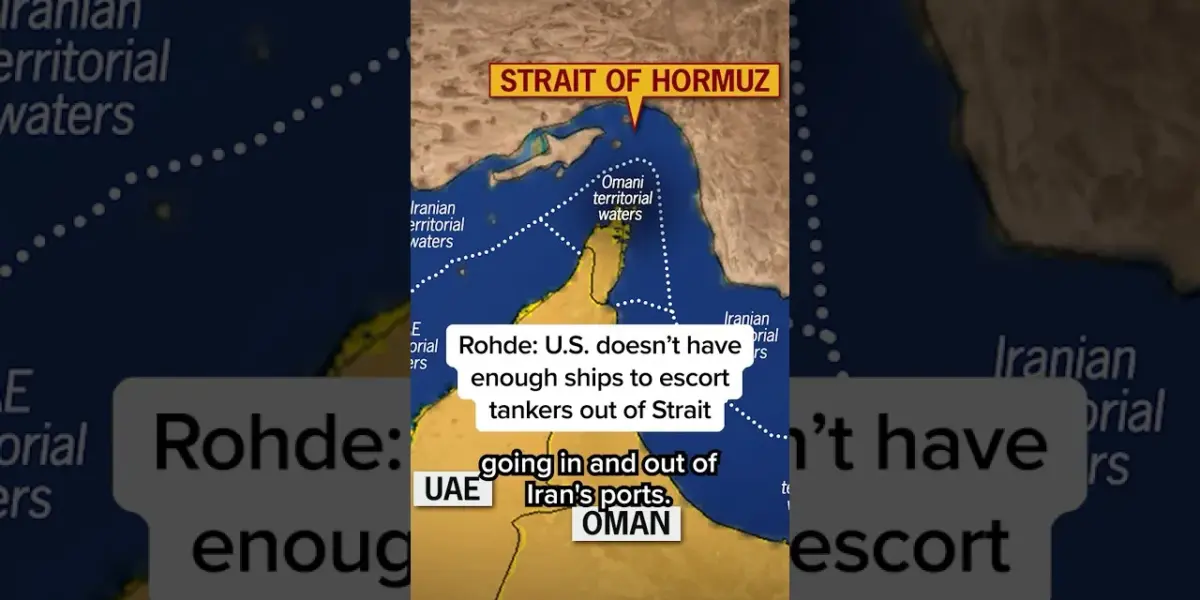
US Navy Shortage Hinders Oil Tanker Escort Mission
The United States military faces a significant challenge in its ability to protect oil tankers passing through the vital Strait of Hormuz. According to David Rohde, a senior national security reporter for MS NOW, the U.S. Navy simply does not possess enough ships to effectively escort these vessels. This shortage directly impacts efforts to ensure the flow of oil and potentially lower global energy prices.
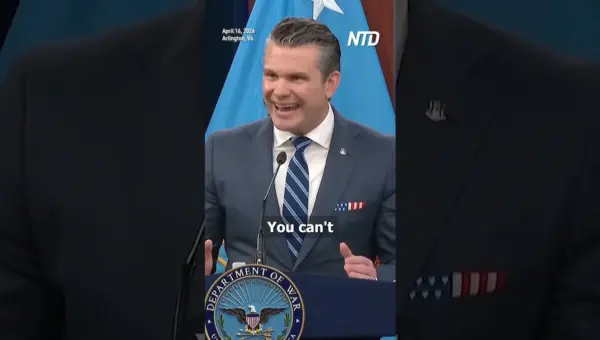
Rohde discussed the situation following a recent Pentagon briefing, shedding light on the complexities of the U.S. stance on Iranian ports in the Strait of Hormuz. The Strait is a critical chokepoint for global oil transportation, making its security a matter of international economic importance. A disruption here can quickly send shockwaves through energy markets worldwide.
Strait of Hormuz: A Vital Global Chokepoint
The Strait of Hormuz is a narrow waterway connecting the Persian Gulf to the Gulf of Oman. Approximately 20% of the world’s total petroleum liquids supply passes through this channel every day.
Its strategic location makes it a focal point for geopolitical tensions and international maritime security concerns. Control or disruption of the Strait can have immediate and severe consequences for the global economy.
Ensuring freedom of navigation and the safe passage of commercial shipping, particularly oil tankers, is a primary goal for many nations. The U.S. Navy has historically played a significant role in maintaining security in this region. However, current operational demands and fleet size appear to be straining its capacity to meet all commitments.
Pentagon Briefing Highlights Fleet Limitations
David Rohde’s comments stem from insights gained during a recent Pentagon briefing. The briefing detailed the operational capabilities and limitations of the U.S. naval forces. The core issue identified is a quantitative deficit in the number of available warships suitable for escort duties.
Escorting tankers is not a simple task. It requires dedicated naval assets capable of providing protection against potential threats, whether from state actors or non-state groups. These missions demand resources that are already stretched thin by other global security obligations.
Economic Impact of Oil Flow Disruption
The ability to safely move oil out of the region is directly linked to global energy prices. Rohde emphasized that facilitating this movement is crucial for bringing down these prices. When the supply of oil is threatened or disrupted, prices tend to rise, affecting consumers and businesses globally.
The Strait of Hormuz is particularly sensitive. Any perceived threat to shipping in this area can cause oil prices to spike even before an actual incident occurs.
This is due to market speculation and the anticipation of future supply shortages. Therefore, maintaining a visible and capable naval presence is key to market stability.
Broader Implications for US Maritime Strategy
The reported shortage of ships for escort missions raises broader questions about the U.S. Navy’s current size and deployment strategy. In a time of increasing global competition and complex security challenges, maintaining adequate naval power is paramount.
This situation highlights the difficult choices military planners face. They must balance the need to project power and secure vital interests in critical regions with the reality of available resources. The effectiveness of U.S. foreign policy and economic influence can be directly tied to its ability to ensure the free flow of trade and energy.
Future Outlook and Potential Solutions
The challenge of insufficient naval assets for escort duties in the Strait of Hormuz is not easily solved. It points to a need for strategic review and potentially increased investment in naval capabilities. Other nations with interests in the region might also need to consider how they can contribute to maritime security.
As geopolitical tensions continue, the security of vital sea lanes like the Strait of Hormuz remains a top priority. The U.S. Navy’s ability to fulfill its mission there will depend on addressing its fleet limitations and adapting its strategy to meet evolving threats. Further developments from the Pentagon and international partners will be closely watched.
Source: Rohde: U.S. doesn'y have enough ships to escort tankers out of Strait (YouTube)

Related Articles

Jet Fuel Prices Skyrocket Amid Iran Supply Crisis
Soaring jet fuel prices to record highs are driven by disruptions in the Strait of Hormuz due to the ongoing conflict in Iran. Europe faces critical shortages as imports from the Middle East plummet, leading to higher airline costs and ticket prices. The crisis underscores the fragility of global supply chains and their impact on the wider economy.
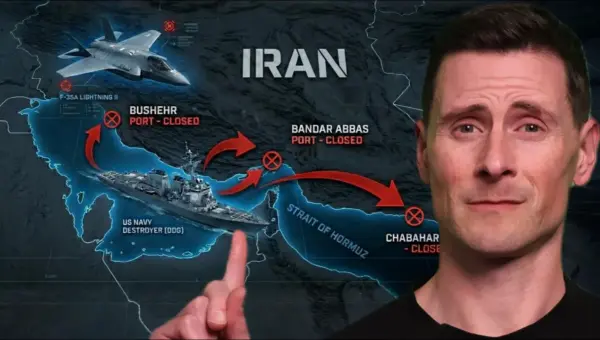
US Navy Tightens Strait of Hormuz Blockade
The U.S. Navy has tightened its blockade in the Strait of Hormuz, part of Operation Economic Fury against Iran. Pentagon officials have issued direct warnings to the IRGC, emphasizing U.S. military dominance and offering an "off-ramp" for a diplomatic resolution. While Iran has issued defiant threats, its naval capabilities are severely degraded, leaving few options against the U.S. carrier strike groups and advanced air power.

US Navy Dominates Hormuz: Iran’s Threats Are Just Piracy
The US Navy maintains firm control over the Strait of Hormuz, dismissing Iran's claims as mere piracy and terrorism. Experts highlight the US's 'real assets and real capabilities' versus Iran's lack of naval power. This control is vital for global energy security and economic stability.