Orban’s Influence Lingers: Hungary’s New Leader Faces Systemic Challenges
Victor Orban's party may have lost the election, but the system he built in Hungary remains. The new government faces challenges with courts, media, and presidential powers heavily influenced by Orban's allies. Peter Majar's administration must now work to dismantle these structures to enact meaningful change.

Hungary’s Systemic Challenges Post-Orban
Victor Orban may be out of office after 16 years, but the system he built in Hungary remains deeply entrenched. His Fides party has placed allies in key positions within courts, media, and the economy, creating a network of influence that will be difficult for the new government to dismantle. The question now is how much power Orban will continue to wield through these established structures.
Courts and Constitutional Power
Hungary’s judiciary presents a significant hurdle for the incoming administration. The nation’s highest court, the Kura, is led by a judge appointed by Orban’s Fides-dominated parliament. All 15 judges on the constitutional court were appointed during Fides’ rule.
While the new government, led by Peter Majar, cannot easily change these appointments, they do have options. They can increase the number of constitutional judges and then nominate and appoint new ones. This move would help shift the balance of power within the court over time.
The Prosecutor’s Office and Presidential Veto
Another critical area of influence is the prosecutor’s office. This office decides which cases are investigated and prosecuted. It has long been viewed as aligned with Orban’s political interests.
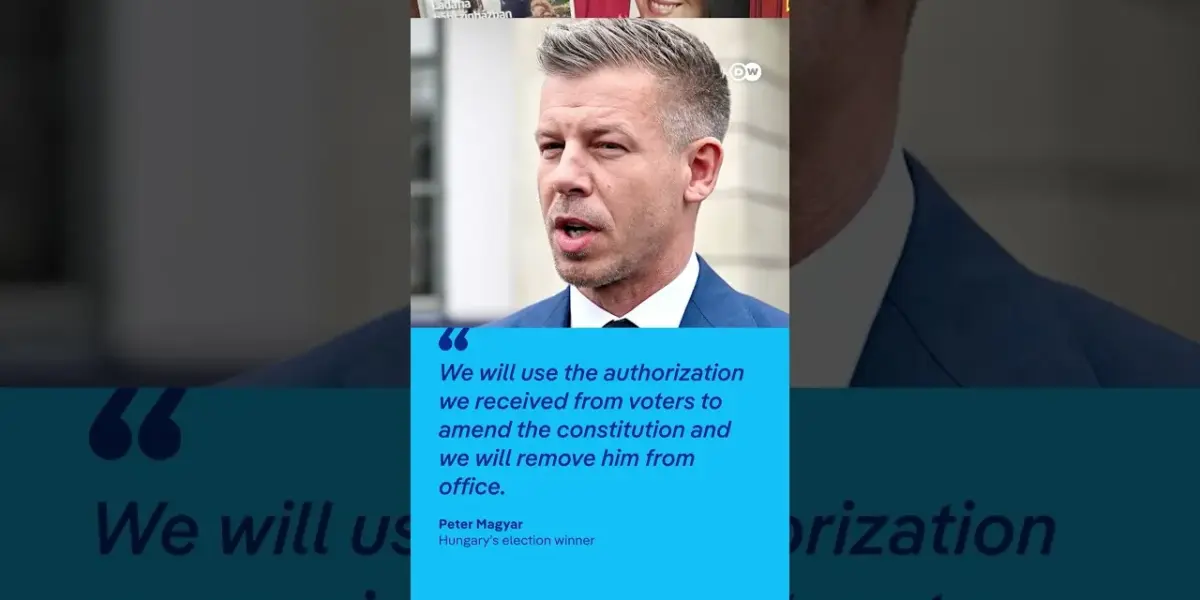
Adding another layer of complexity, Hungary’s President, Thomas Shuyok, a known Orban ally, was recently granted expanded veto powers. He now has the ability to send legislation back to parliament or refer it directly to the constitutional court. Peter Majar has publicly called for Shuyok’s resignation, vowing to remove him from office using the mandate given by voters.
Media Control and Economic Networks
The media landscape in Hungary is heavily skewed, with an estimated 80% of outlets aligned with Orban’s Fides party, according to Reporters Without Borders. Majar has stated his intention to suspend state news broadcasts until impartial reporting can be guaranteed.
Changes in privately owned media may take longer. The previous government employed tactics such as purchasing local newspapers and even commercial TV channels. These acquisitions integrated them into the Fides media network, making them harder to influence independently.
Beyond media, Orban’s allies also hold significant sway within the Hungarian economy. These extensive networks of influence are complex and will likely prove challenging to dismantle quickly.
Orban’s Continued Political Role
Even in opposition, Victor Orban is expected to remain the leader of Fides. During the election campaign, his party utilized aggressive tactics, including disinformation and pressure on opponents.
Observers warn that these methods could continue to undermine the new government. Fides is expected to actively try and block the new administration’s agenda as much as possible. However, with nearly 70% of parliamentary seats, the new government should have a clear path to pursue its top priorities.
The Path Forward for Hungary
Peter Majar has received a strong mandate from the voters to govern Hungary. The true test will be his ability to enact change within a system that was deliberately designed to extend Victor Orban’s influence beyond his time in office.
One of the new government’s key priorities includes amending the constitution. This change aims to prevent any single Prime Minister from serving more than two consecutive terms. Such a measure could effectively prevent Orban from returning to power in the future.
The new government aims to move forward with its agenda, starting with constitutional changes. These reforms are designed to ensure a more balanced distribution of power and limit the potential for future long-term dominance by a single political figure.
Source: Orban is gone – his system is not | DW News (YouTube)

Related Articles


Hungary Votes: Orban’s Illiberal Democracy Tested
Victor Orban has secured another term as Hungary's leader, continuing his 'illiberal democracy' model. This approach prioritizes majority rule and national interests, often challenging traditional democratic guardrails. Orban's victory has implications for the wider European Union and global trends in nationalism.

Hungarian Election Shakes Europe: What It Means Now
Hungary's recent election ousted long-time Prime Minister Victor Orban, signaling a significant shift in European politics. The vote, driven by voter frustration over corruption and isolation, saw Peter Majar's party win decisively. This outcome has major implications for Ukraine and challenges the influence of Trump-aligned movements across Europe.


Maddow: Trump’s Hungary Ties Raise Security Concerns
The Rachel Maddow Show on April 13, 2026, raised serious national security concerns regarding Donald Trump's relationship with Hungarian Prime Minister Viktor Orbán. Maddow detailed Orbán's authoritarian actions and his alignment with Russia, questioning the potential risks to U.S. alliances and global stability.