Iran’s Oil Sites Explode Amid Gunfights and Naval Threats
Mysterious explosions have hit Iran's oil infrastructure, raising concerns about sabotage. Meanwhile, IRGC officials were killed in a violent ambush, and Iran continues to threaten US naval forces. The US military remains on high alert, ready to resume operations if a ceasefire collapses.

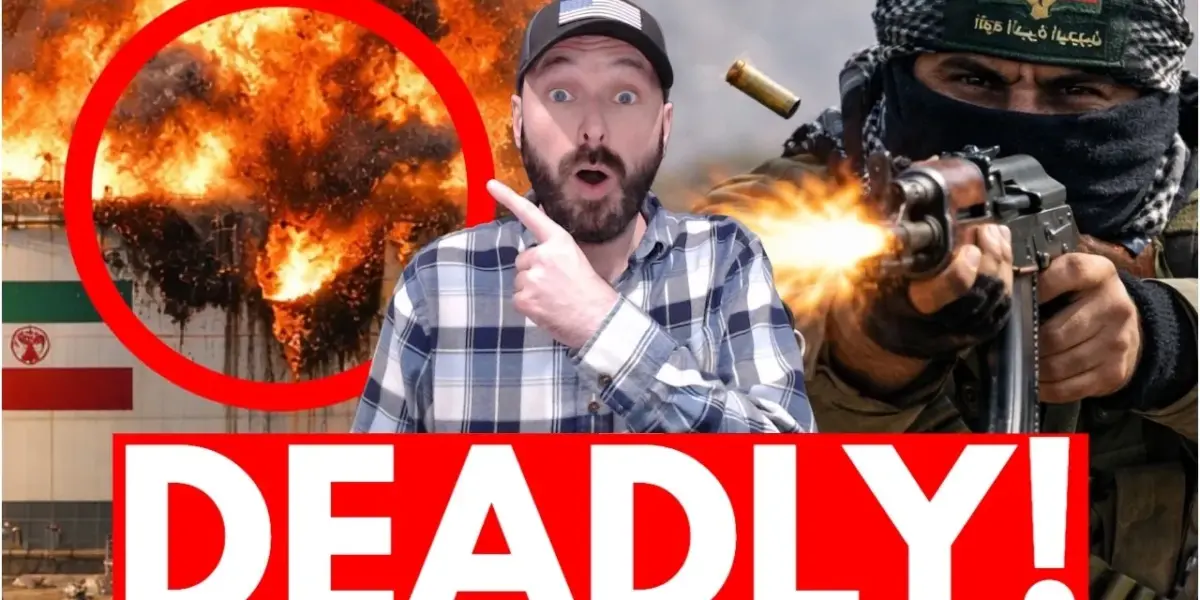
Mysterious Blasts Rock Iran’s Oil Infrastructure
A series of unexplained explosions and fires have recently struck a key site in Iran, raising concerns about the country’s oil export capabilities. The incident, which occurred on Syria Island and involved oil refinery tanks, has left the area engulfed in flames. Satellite images show the extent of the damage, highlighting the severity of the event.
This latest explosion adds to a pattern of similar incidents. Before the recent conflict, Iran experienced frequent unexplained explosions and fires at various sites.
Many believed these events were the result of sabotage or covert operations. Now, with a ceasefire in place, these mysterious incidents are resurfacing, targeting major oil infrastructure.
Ambush Claims Lives of IRGC Officials
Adding to the turmoil, multiple Iranian officials, likely linked to the Islamic Revolutionary Guard Corps (IRGC), were killed in a violent ambush. The brutal gunfight resulted in significant casualties, with reports describing a bloody and violent confrontation. No group has officially claimed responsibility for the attack.
This ambush follows a recent drive-by shooting that also targeted IRGC members. Another incident involving car bombings occurred earlier in the war.
These events suggest a potential internal resistance or coordinated attacks against Iranian security forces. The exact perpetrators and motives remain unclear, but the pattern points to escalating internal conflict.
Iran Issues Stern Warnings to US Navy
Amidst these internal and external pressures, Iran has intensified its threats against the United States Navy. The IRGC has declared that Iran possesses the capability to sink all US ships in the Persian Gulf if necessary. This warning comes after recent US naval operations in the Strait of Hormuz, where Iranian forces did not engage.
Senior Iranian officials have echoed these sentiments. Mosen Rosai, a top military advisor, made extreme remarks about former President Trump, while also reiterating the threat to US warships. Muhammad Morandi, often seen as a government spokesperson, warned of widespread destruction in the Persian Gulf, potentially leading to a global economic collapse, if current tensions escalate.
Conspiracy Theories and Blockade Successes
Interestingly, Iran’s army commander-in-chief has supported a conspiracy theory regarding a US rescue mission. He claims the mission was actually an attempt to acquire highly enriched uranium, a narrative that has been widely debunked by US officials. This theory is being promoted by those who wish to discredit the US military and its operations.
Meanwhile, the US Navy reports continued success with its blockade of Iranian ports. The USS Spruce intercepted an Iranian flag cargo vessel attempting to evade the blockade.
This marks the tenth vessel turned around, with no ships successfully breaking through since the operation began. The US Navy is actively pursuing any Iranian-flagged vessel attempting to support Iran.
Pentagon Assesses Readiness and Ceasefire Outlook
US military leaders have emphasized their readiness to resume combat operations if the current ceasefire collapses. Secretary of Defense Pete Hegsth stated that the US is monitoring Iran’s movements and is prepared to strike critical infrastructure if ordered by the President. Chairman of the Joint Chiefs, General Dan Kaine, echoed this sentiment, confirming that the US forces are postured and ready at a moment’s notice.
General Kaine also provided details on the blockade, noting that most ship captains have complied with instructions, choosing to turn back rather than face interception. He confirmed that while no ships have been boarded yet, the US forces are prepared to take further action if necessary. This firm stance highlights the US commitment to enforcing the blockade.
Status of Iranian Supreme Leader and Lebanon Ceasefire
Regarding the status of Iran’s new Supreme Leader, Moshaba Homini, reports suggest he is alive but seriously wounded and disfigured. This information comes amidst a general lack of public statements from the leader, likely due to his condition.
In a separate development, a 10-day ceasefire has been announced between Israel and Lebanon, following discussions between Lebanese President Joseph Aun and Israeli Prime Minister BB Netanyahu. This agreement, brokered in Washington D.C., is set to begin on Tuesday at 5:00 p.m.
Eastern time. President Trump has taken credit for facilitating this peace initiative.
Why This Matters
The recent events in Iran highlight a complex and volatile geopolitical situation. The mysterious explosions at oil facilities suggest potential internal sabotage or external influence aimed at disrupting Iran’s economy and global oil supply. These incidents, coupled with the violent ambushes targeting IRGC officials, point to growing instability within the country.
Iran’s escalating threats towards the US Navy, while potentially rhetorical, add another layer of tension to the region. The US military’s clear communication of its readiness to respond highlights the precarious balance of power. The success of the US blockade further squeezes Iran’s economy, potentially increasing internal dissent and external pressure.
Implications, Trends, and Future Outlook
The pattern of unexplained explosions and internal violence in Iran could indicate a weakening of central authority or a rise in resistance movements. The government’s response, including its aggressive rhetoric towards the US, may be an attempt to project strength amidst internal challenges.
The US’s assertive stance, including its naval blockade and clear warnings, suggests a policy of containment and deterrence. The success of these measures could further isolate Iran economically and militarily. The ongoing ceasefire negotiations and the potential for renewed conflict remain a critical factor shaping future events.
Historical Context
Iran has a history of facing internal dissent and external pressure. The IRGC plays a significant role in both domestic security and foreign policy, making it a frequent target for opposition groups. The country’s oil industry has also been a focal point for international sanctions and geopolitical maneuvering.
The current situation can be seen as an extension of long-standing regional rivalries and the broader global push for energy security. The US naval presence in the Persian Gulf has been a constant factor in regional stability, often acting as a deterrent against perceived threats.
The announcement of a ceasefire between Israel and Lebanon is a positive development, though its long-term effectiveness remains to be seen. It highlights the ongoing efforts to de-escalate regional conflicts, even as other areas remain highly tense.
The next step to monitor will be the outcome of the current ceasefire negotiations between Iran and global powers, which are set to expire early next week.
Source: Iran LIT UP By Mysterious Explosion – Brutal Gunfight Unfolds (YouTube)

Related Articles
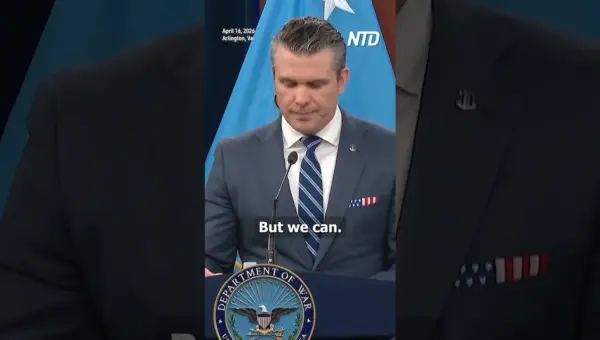
US Signals Readiness to Strike Iran’s War Machine
The U.S. military has issued a stern warning to Iran, stating that all their movements are being watched and that America is ready to restart combat if needed. Officials highlighted Iran's limited ability to repair its military, contrasting it with America's growing strength and superior intelligence.

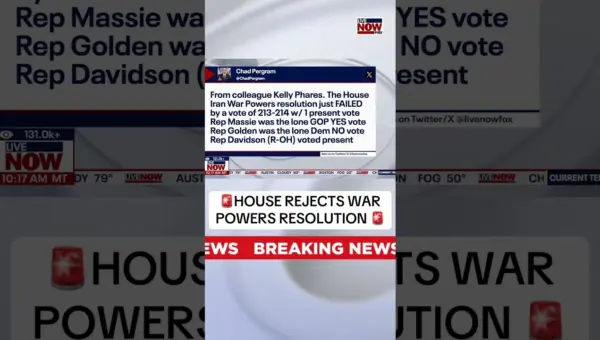
House Rejects War Powers Resolution on Iran
The House of Representatives narrowly defeated a resolution aimed at limiting President Trump's military actions against Iran, with a vote of 213-214. The close outcome revealed divisions among lawmakers, including key votes from a Republican and a Democrat who supported the measure. This decision reinforces the President's authority in foreign military engagements.
US Navy Lacks Ships to Secure Key Oil Route
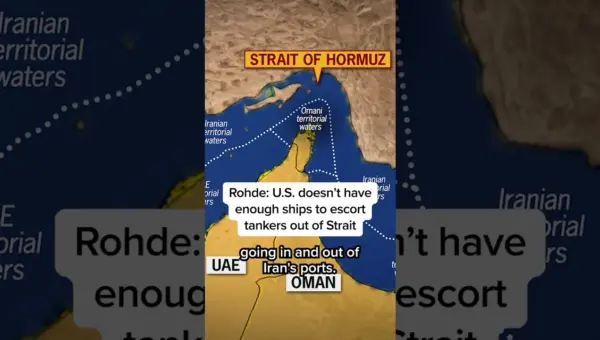
The U.S. Navy lacks sufficient ships to escort oil tankers through the critical Strait of Hormuz, according to senior national security reporter David Rohde. This shortage impacts efforts to ensure global oil flow and stabilize energy prices. The situation highlights broader challenges in U.S. maritime strategy and fleet readiness.