Jet Fuel Prices Skyrocket Amid Iran Supply Crisis
Soaring jet fuel prices to record highs are driven by disruptions in the Strait of Hormuz due to the ongoing conflict in Iran. Europe faces critical shortages as imports from the Middle East plummet, leading to higher airline costs and ticket prices. The crisis underscores the fragility of global supply chains and their impact on the wider economy.

Jet Fuel Prices Surge to Record Highs Amid Iran Supply Crisis
The global aviation industry is facing a severe jet fuel crisis, with prices soaring to unprecedented levels. This dramatic increase is a direct result of ongoing geopolitical tensions in the Middle East, specifically the disruption of oil shipments through the vital Strait of Hormuz.
This critical waterway normally handles about 20% of the world’s oil supply daily. Even with a ceasefire in place, the partial closure of the Strait has created significant problems for global energy markets.
Europe, a major consumer of jet fuel, is particularly vulnerable. The continent requires approximately 1.6 million barrels of jet fuel each day to keep its airlines flying. While Europe produces about 1.1 million barrels domestically, it still needs to import roughly 500,000 barrels daily.
A substantial portion of these imports, around 375,000 barrels, typically comes from the Middle East. This reliance means that any disruption to Middle Eastern supply immediately creates a major shortfall.
Falling Imports Signal Deepening Supply Issues
Data tracking jet fuel imports into Europe over the past two years shows a stark trend. Since September 2025, imports have fallen dramatically.
The most recent figures for April 2026 reveal that import volumes have hit their lowest point in at least two years. While imports from the United States have increased, this rise has not been enough to offset the significant drop in supplies from the Middle East.
The United States is stepping in to fill some of the gap, increasing its exports to Europe. However, the decline in Middle Eastern shipments is much larger.
The net effect is a considerable decrease in total jet fuel imports. If this trend continues, the market could shift from being merely tight to experiencing a full-blown crisis.
European Jet Fuel Stocks Hit Critical Lows
European jet fuel storage levels paint an even more concerning picture. Tracking data since 2018 shows a sharp decline in stockpiles for 2026.
At the start of the year, Europe held about 1 million tons of jet fuel. This figure has now dropped to around 650,000 tons, representing a significant drawdown in a short period.
The downward trend in stocks is clear and shows no sign of reversing soon, given the current supply situation. If this continues, Europe could face its lowest jet fuel stock levels for this time of year in the last eight years. Low inventories leave the system with little resilience, meaning even minor disruptions could have amplified impacts.
Record Prices Reflect Geopolitical Instability
The impact of these supply issues is directly visible in jet fuel prices. Historical data dating back to the 1980s shows that recent price movements have been nearly vertical. The ongoing conflict in Iran has driven jet fuel prices to levels never before seen, surpassing previous spikes and geopolitical crises.
This extreme price increase is not just a temporary fluctuation. It directly translates into higher operating costs for airlines. These increased costs are inevitably passed on to consumers through higher ticket prices, making air travel more expensive for everyone.
Market Impact and What Investors Should Know
The jet fuel crisis is not confined to Europe. While Europe is most exposed due to its heavy reliance on imports, other regions dependent on Middle Eastern supplies are also feeling the pressure. The U.S. benefits from its own refining capacity, and some Asian countries have strategic reserves, but Europe’s vulnerability is heightened.
The future trajectory of jet fuel prices and supply depends heavily on the evolving situation in Iran. Further escalation of tensions could worsen supply disruptions.
Even if shipping routes remain restricted, supply chains will stay under pressure. While the European Union is developing contingency plans, replacing lost supply takes considerable time.
For travelers, this crisis means higher ticket prices and potentially fewer flights. In severe cases, route cancellations could occur if conditions worsen.
This directly impacts the broader tourism industry, affecting hotels, restaurants, and local economies. What begins as a regional geopolitical issue can quickly ripple outwards, becoming a global economic concern.
The interconnectedness of the global economy is clearly demonstrated by this event. A conflict in one region and a disruption to a key shipping lane can trigger a jet fuel crisis impacting aviation and millions of people worldwide. The situation highlights the fragility of global supply chains and the significant consequences of geopolitical instability on everyday life and commerce.
As the situation develops, investors and industry observers will be closely watching the Strait of Hormuz, European import levels, and global jet fuel stock data. The ability of refineries and logistics networks to adapt to these new supply realities will be crucial in determining the duration and severity of this crisis.
Source: Jet Fuel Crisis (YouTube)

Related Articles


Iran’s Economy Crippled, Gas Prices May Hit $3 Soon
A U.S. senator claims Iran's military and economy are crippled, suggesting "game over" for the nation. Simultaneously, optimism is high for gas prices to fall below $3 per gallon by late summer or early fall, referencing historical trends.


Iran’s Missile Claims Debunked by US Intel
Recent claims of Iran's complete military defeat are being challenged by U.S. intelligence, which suggests Iran retains significant missile capabilities. This discrepancy highlights potential misrepresentations of conflict outcomes and impacts diplomatic efforts.
US Navy Tightens Strait of Hormuz Blockade
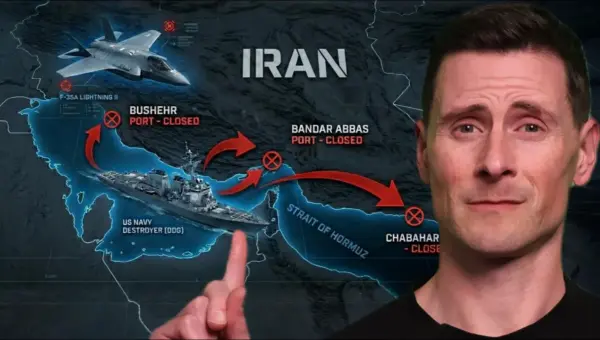
The U.S. Navy has tightened its blockade in the Strait of Hormuz, part of Operation Economic Fury against Iran. Pentagon officials have issued direct warnings to the IRGC, emphasizing U.S. military dominance and offering an "off-ramp" for a diplomatic resolution. While Iran has issued defiant threats, its naval capabilities are severely degraded, leaving few options against the U.S. carrier strike groups and advanced air power.