Russia Strikes Ukraine Amidst Escalating Conflict
On April 16, Russian forces launched a significant attack on Ukrainian territory, causing widespread destruction in residential areas. A family narrowly escaped tragedy when a second explosion collapsed their roof, but a young child's decision to sleep with his mother saved them from the direct impact.

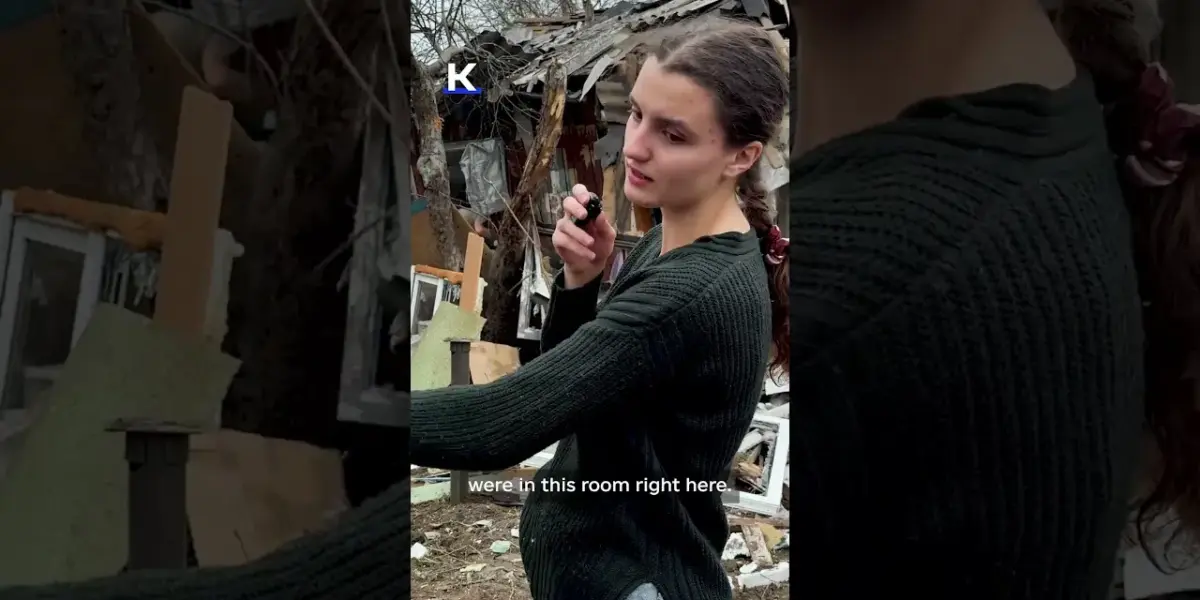
Russia Strikes Ukraine Amidst Escalating Conflict
On April 16, Russian forces launched a significant attack on Ukrainian territory, striking residential areas and causing widespread destruction. The assault, which occurred in the early hours of the morning, highlights the ongoing intensity of the conflict and its devastating impact on civilian populations. This event highlights the persistent nature of the hostilities and the challenges faced by Ukraine in defending its infrastructure and its people.
One family’s harrowing experience illustrates the direct consequences of such attacks. The family had retired for the night around 2:45 AM when the first explosion rocked their home.
The initial blast was powerful enough to blow open windows, dislodging a mirror that hung on a wall. The family members were attempting to secure the falling mirror when a second, more powerful explosion struck.
This second explosion caused the roof of the house to collapse. A 16-year-old sister, who was with the narrator attempting to fix the mirror, sustained injuries and is currently receiving medical attention in a hospital. Tragically, the mother and her two-year-old son were in the room directly hit by the collapsing roof.
Miraculously, the young boy, who had recently started sleeping in his own bed, had chosen to sleep with his mother that night. His bed, which was located in the section of the room that bore the brunt of the roof collapse, was buried under debris.
The mother was trapped beneath the rubble, unable to free herself. Rescue services arrived and were able to extract her from the dangerous situation.
Strategic Implications
The April 16 attack, like many others, is a clear reminder of the indiscriminate nature of modern warfare when conducted in populated areas. The use of explosive ordnance capable of destroying buildings and causing widespread damage emphasizes the destructive power employed in the conflict. Such attacks not only result in immediate casualties and destruction but also create long-term psychological trauma for survivors and displace entire communities.
The targeting of residential areas, even if unintended, raises serious questions about adherence to international humanitarian law. The principle of distinction requires combatants to distinguish between combatants and civilians, and between military objectives and civilian objects.
Attacks directed against the civilian population or civilian objects are prohibited. The scale of destruction described suggests that the ordnance used was significant, potentially including large explosive weapons.
The survival of the mother and child, despite being in a room that was completely destroyed, can be attributed to a combination of chance and the child’s decision to be near his mother. This highlights the unpredictable nature of survival in such events. The mother’s entrapment under the rubble and subsequent rescue by emergency services also points to the critical role of first responders in mitigating the immediate aftermath of such attacks.
The attack on April 16, while specific in its occurrence, is representative of a broader pattern of conflict. Russia’s ongoing military operations in Ukraine have consistently involved strikes on various targets, including infrastructure and urban centers. The psychological impact on civilians living under constant threat of attack is immense, forcing many to live in fear or seek refuge elsewhere.
The destruction of homes and the displacement of families have significant social and economic consequences. Rebuilding efforts are costly and time-consuming, and the trauma experienced by individuals can have lasting effects. International aid and support are crucial for both immediate relief and long-term recovery in affected regions.
The narrative shared by the survivor provides a personal, human element to the often-impersonal reporting of conflict. It highlights the fact that behind every statistic of destruction or casualty are individual lives and families profoundly affected by the violence. The bravery of rescue services in reaching those trapped is also a critical component of the response to such events.
The ongoing nature of these attacks means that the resilience of the Ukrainian population is constantly being tested. The ability of civilians to cope with loss, injury, and displacement, while also facing the threat of future attacks, is proof of their strength. However, the continuous exposure to such trauma can also lead to widespread mental health challenges that require long-term attention and care.
The international community continues to monitor the situation closely, with many nations providing humanitarian and military assistance to Ukraine. The pursuit of accountability for alleged war crimes and violations of international law remains a significant aspect of the global response. The events of April 16 serve as a somber reminder of the human cost of war and the urgent need for a peaceful resolution.
The specific location of the attack was not disclosed in the provided transcript. However, the description of the damage, including the collapse of a roof and the destruction of a room, suggests the use of powerful explosive weapons. The swift response by rescue services is crucial in saving lives following such incidents.
Source: Surviving Russia’s April 16 attack (YouTube)

Related Articles


Kyiv Hit by Deadly Russian Ballistic Missile Barrage
Russia launched a ballistic missile and drone attack on Kyiv, killing at least four people, including a child, and injuring 60. The strikes destroyed homes and businesses in a residential district, highlighting the ongoing human cost of the conflict.


Russia Purges Military Brass Amid Shifting Alliances
Russia's Foreign Minister Sergey Lavrov met with Chinese officials, claiming the U.S. is shifting its focus to China and burdening Europe with containing Russia. Meanwhile, Moscow faces internal purges within its military elite, with high-profile arrests and convictions on corruption charges. Ukraine seeks continued military support amidst growing global demand for air defense systems and its own production challenges.


Hungary’s Orban Faces Ukraine War Questions
Hungarian Prime Minister Viktor Orban voted in a tense election, facing questions about his pro-Russia stance amid the Ukraine war. Polls show his party trailing a new challenger, Peter Magyar, as concerns about election interference linger.