Rich Exodus Threatens 500,000 NYC Jobs, Pensions
Wealthy residents considering leaving New York could lead to significant job losses for 500,000 public employees and strain pension funds. The city's high tax burden on a small percentage of the population is driving this concern. Meanwhile, predictions suggest gas prices could drop below $3 if a peace deal with Iran is achieved.


New York Faces Job Cuts as Wealthy Depart
New York City and State are confronting a potential crisis as wealthy residents consider leaving, a move that could jeopardize up to 500,000 public sector jobs and strain pension funds. The departure of high-net-worth individuals, who contribute a significant portion of the tax revenue, raises serious concerns about the city’s financial stability and the quality of life for its residents.
The issue centers on taxes and the perception that certain classes are being unfairly targeted. Billionaire John Catsimatidis explained that if wealthy individuals move their primary residence to states like Florida, which have no state income tax, they might still maintain properties in New York. However, New York City and State officials are reportedly trying to prevent this by imposing taxes on those who leave, aiming to ensure they still contribute financially even if they no longer reside there.
Tax Burden on the Few
Catsimatidis highlighted a stark reality: a small fraction of New York’s population bears an immense tax burden. He stated that just 2% of the people in New York City and New York State pay 48% of all taxes collected. This concentration of tax contributions means that any significant movement of these individuals out of state could have severe consequences.
The fear is that if these top earners reach a breaking point, often referred to as the “oh, crap level,” they will accelerate their departure. This continued “exodus,” as it’s called, is something city and state leaders want to avoid. The argument is that penalizing the wealthiest residents could lead to a domino effect, harming the broader economy and public services.
Middle Class and Public Employees at Risk
While some believe that billionaires might not leave, Catsimatidis argued that the “rich people” will. He specifically pointed to the middle class earning over $500,000 a year, noting that many of them might also depart. If this trend continues, the real penalty will fall on New York City and New York State’s 500,000 public employees.
Losing these high earners could force the government to start laying off employees, creating widespread job losses. The city’s pension funds, which rely on investment returns and tax revenue, could face significant problems. Catsimatidis emphasized that quality of life, including safety, and avoiding the targeting of any particular class are non-negotiable for New York’s future.
City Grocery Store Plans Questioned
The discussion also touched upon plans for city-run grocery stores. A representative mentioned an intention to offer an “essential basket of goods” at lower prices than currently available. When asked if these stores could sell basic items cheaper than existing chains like Gristedes, Catsimatidis expressed skepticism.
He pointed out that his own business faces high costs, including the highest rents and real estate taxes globally, plus additional commercial rent taxes and congestion charges. Catsimatidis asserted that if he were not charged any rent, he could reduce prices by 20% immediately. This suggests that the proposed city-run stores might have an unfair advantage by avoiding standard operating costs like rent, which would allow them to offer lower prices without necessarily improving overall market efficiency.
Gas Prices Outlook
On a different note, the conversation shifted to gasoline prices. Secretary Bessent predicted prices might fall into the $3 range between June and September. Catsimatidis, identifying as an “oil man,” offered his prediction for July 4th.
He suggested that if a peace deal with Iran is reached within two weeks, the price of oil could drop by another $20 per barrel. Based on past events where a similar development led to a $20 per barrel decrease, he anticipates gas prices could fall below $3 per gallon. This outlook depends heavily on geopolitical developments and the resolution of international conflicts.
Source: Billionaire CEO reveals who'll be 'PENALIZED' if rich EXODUS continues (YouTube)

Related Articles


Iran’s Economy Crippled, Gas Prices May Hit $3 Soon
A U.S. senator claims Iran's military and economy are crippled, suggesting "game over" for the nation. Simultaneously, optimism is high for gas prices to fall below $3 per gallon by late summer or early fall, referencing historical trends.

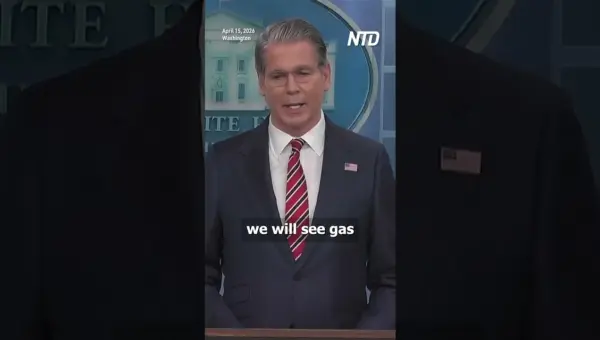
Gas Prices To Hit $3 This Summer, Treasury Chief Predicts
Treasury Secretary Janet Yellen predicts gas prices could fall to $3.00 a gallon this summer. This optimistic forecast depends on successful negotiations and the reopening of the Strait of Hormuz. Lower gas prices would provide financial relief to consumers and help ease inflation.

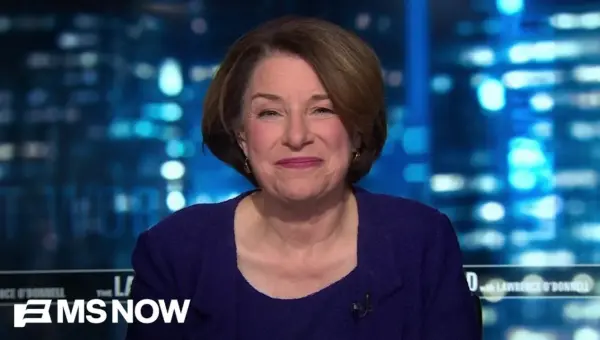
Trump’s Iran War Costly for Americans, Senator Says
Senator Amy Klobuchar argues that Donald Trump's war in Iran is directly costing Americans more money, citing rising gas prices and increased costs for goods like fertilizer. She believes the billions spent on the conflict could instead fund crucial domestic programs like healthcare extensions and affordable housing initiatives.