US Navy Tightens Strait of Hormuz Blockade
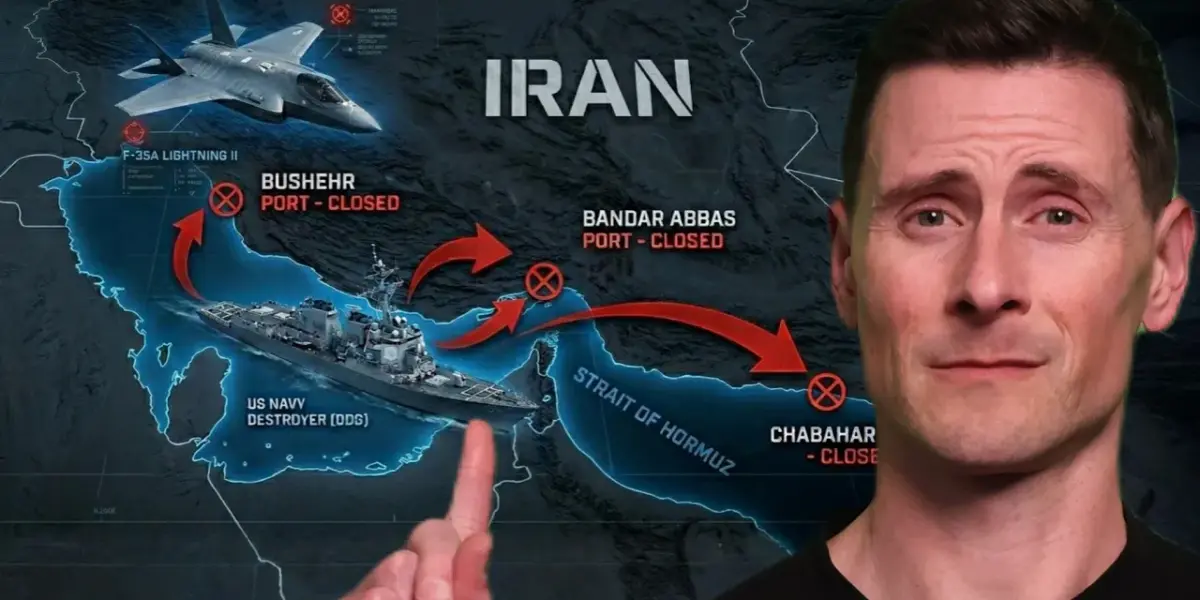
The U.S. Navy has tightened its blockade in the Strait of Hormuz, part of Operation Economic Fury against Iran. Pentagon officials have issued direct warnings to the IRGC, emphasizing U.S. military dominance and offering an "off-ramp" for a diplomatic resolution. While Iran has issued defiant threats, its naval capabilities are severely degraded, leaving few options against the U.S. carrier strike groups and advanced air power.

US Navy Tightens Strait of Hormuz Blockade
The United States has intensified its naval blockade in the Strait of Hormuz, entering its fourth day as part of a broader pressure campaign following Operation Epic Fury. This move, now termed Operation Economic Fury, aims to cripple Iran’s economy and isolate the Islamic Revolutionary Guard Corps (IRGC).
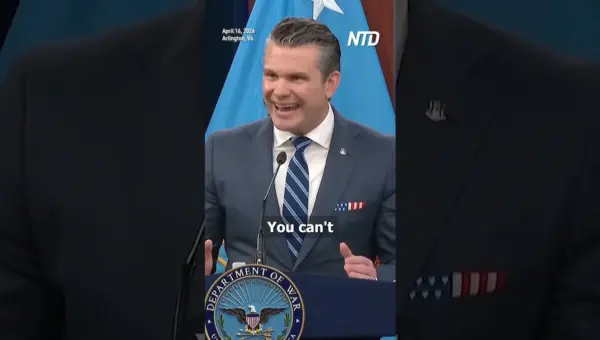
Pentagon officials, including Chairman of the Joint Chiefs of Staff General Dan Kaine and Secretary of War Pete Hegsath, briefed the press on the operation. Hegsath directly addressed Iran’s military and IRGC leadership, emphasizing the U.S. military’s overwhelming dominance after Operation Epic Fury severely degraded Iran’s conventional forces. This direct communication, including President Trump’s statements on social media, is seen as an attempt to sow division within the Iranian regime.
Iran’s Defiance and US Resolve
Despite the U.S. pressure, IRGC Major General Ali Abdali warned that the blockade would precede a ceasefire violation. He declared that Iran’s armed forces would prevent all exports and imports in the Persian Gulf, the Sea of Oman, and the Red Sea. Other IRGC voices echoed these threats, promising a harsh response and vowing to trap challengers in a “deadly vortex.” These statements starkly contrast with the reality of Iran’s naval capabilities, which have been significantly diminished.
In response to Iran’s rhetoric, over 10,000 American personnel are enforcing a strict blockade on Iranian ports and coastlines. No vessels are permitted to enter or exit, regardless of their flag.
Hegsath stated that the U.S. is using 10% of the world’s most powerful navy, while the IRGC has virtually no naval presence left. Thirteen ships have already been turned away after warnings, with no need for boardings thus far.
The “Polite Option” and Escalation Scenarios
Secretary of War Hegsath described the blockade as the “polite option,” emphasizing that Iran’s energy flow is halted and will remain so. He presented Iran with a choice: a diplomatic resolution or a path involving further blockades and strikes on critical infrastructure. The U.S. is maintaining constant surveillance, utilizing space, aerial, and drone assets to monitor the IRGC’s actions in real-time.
The U.S. administration prefers a diplomatic deal to end the conflict, offering Iran an “off-ramp” to save face. However, the ongoing military posture signals a readiness for kinetic action if necessary. Hegsath warned that if Iran “chooses poorly,” the U.S. is prepared to escalate with strikes on power and energy infrastructure specifically tied to the IRGC’s capabilities, such as those supporting its ballistic missile program.
Naval and Air Power on Display
The operation showcases significant U.S. naval and air power. The carrier strike group USS Abraham Lincoln is in the region, with the USS George H.W.
Bush en route. These groups include Arleigh Burke-class guided-missile destroyers, equipped with advanced Aegis radar systems, Tomahawk missiles, and anti-air defenses capable of engaging threats from miles away.
Submarines are also providing a silent advantage, lurking undetected to monitor traffic and respond swiftly. Maritime patrol aircraft and drones are filling surveillance gaps, offering close-in intercepts and persistent monitoring. The F-35 Lightning II stealth fighters, operating from carriers and with Marine Expeditionary Units, provide advanced sensor fusion and real-time data sharing, allowing them to track vessels from long distances.
Technological Edge and Strategic Implications
The F-35’s capabilities were highlighted during a previous blockade in Venezuela, demonstrating its effectiveness in tracking ballistic missiles, drones, and fast attack craft. The U.S. has also deployed advanced drones for intelligence, surveillance, and reconnaissance, with potential for autonomous operations. Emerging technologies like the Regent Autonomous Squire Glider, a high-speed, stealthy sea glider, could soon enhance maritime domain awareness by detecting sea mines and fast attack craft with minimal radar signature.
Strategically, the blockade is squeezing Iran’s economy without immediate kinetic action, building leverage for potential future negotiations. The U.S. has set clear red lines, maintaining the initiative. The combination of overwhelming surveillance, naval dominance, and clear warnings leaves Iran with limited options.
The Coming Days
The coming hours and days will be critical in determining whether Iran chooses de-escalation and concessions or continues its defiant stance. The U.S. has demonstrated its commitment to sea power with coordinated resolve, presenting adversaries with few favorable choices.
Source: U.S. Military Just Gave Iran A CHILLING Warning About What’s Coming Next (YouTube)

Related Articles
US Navy Dominates Hormuz: Iran’s Threats Are Just Piracy
The US Navy maintains firm control over the Strait of Hormuz, dismissing Iran's claims as mere piracy and terrorism. Experts highlight the US's 'real assets and real capabilities' versus Iran's lack of naval power. This control is vital for global energy security and economic stability.


US Halts Iran Sea Trade, Escalating Tensions Amid Peace Talks
The U.S. Navy has implemented a full blockade on Iranian sea trade, escalating tensions amid ongoing peace talks and a fragile ceasefire. This move, dubbed "Operation Epic Fury," has drawn criticism and threats of retaliation from Iran. Meanwhile, the U.S. stock market hits record highs despite global uncertainty, while severe weather and a major antitrust verdict against Ticketmaster dominate domestic news.
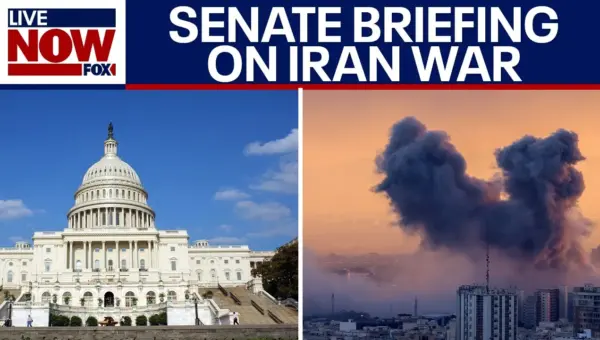
US Senate Forum: Support for a Free, Non-Nuclear Iran
A US Senate forum focused on how America can support a free, non-nuclear Iran, featuring lawmakers and the NCRI. Speakers highlighted the Iranian regime's oppression and the organized resistance movement's role in seeking democratic change. The event underscored the need for international backing for the Iranian people's aspirations for freedom and human rights.