US Navy Tightens Grip on Iran’s Ports
The U.S. Navy has tightened its blockade on Iranian ports for four days, using a fraction of its naval power. Defense Secretary Pete Hegseth warned Iran of potential air strikes on energy infrastructure if provoked. Advanced ISR assets are monitoring Iranian actions closely.


US Tightens Naval Blockade on Iran
The U.S. Navy has entered its fourth day of a tightened blockade on Iranian ports, signaling a significant escalation in regional maritime pressure. This move utilizes only a fraction of American naval strength, with reports suggesting just 10% of U.S. naval power is currently engaged. In contrast, Iran’s naval capabilities are described as significantly diminished, possibly reduced to fast attack craft.
Defense Secretary Pete Hegseth issued a direct warning to Iran’s Islamic Revolutionary Guard Corps (IRGC). He stated that any aggressive action from Iran would lead to severe consequences. This warning includes the potential for expanded military action beyond the current blockade.
Pentagon Issues Stark Warning to Tehran
The Pentagon’s message to the IRGC is clear: continued provocative behavior will not be tolerated. Hegseth specifically mentioned that a misstep by Iran could result in the blockade being augmented with aerial strikes. These strikes would likely target Iran’s energy infrastructure, which is believed to power the IRGC’s operations.
Targeting packages for key energy facilities are reportedly prepared. This suggests a readiness to strike rapidly if Iran’s rhetoric translates into hostile actions. The U.S. military appears prepared for immediate action, with assets like F-35 fighter jets and advanced drones on standby.
ISR Capabilities Monitor Iranian Actions
Intelligence, surveillance, and reconnaissance (ISR) assets are actively monitoring Iranian movements. Advanced drones and fighter aircraft like the F-35 are providing real-time information.
This constant watch is designed to detect any signs of Iranian aggression or escalation. The goal is to deter Iran and respond swiftly if necessary.
The U.S. military’s posture indicates a strong resolve to maintain regional stability. This enhanced surveillance aims to prevent Iran from testing the boundaries of international maritime law or threatening U.S. interests. The deployment reflects a strategy of watchful deterrence.
Strategic Implications
The intensified naval blockade and direct warnings represent a significant shift in U.S. policy towards Iran. By constricting Iran’s maritime access, the U.S. aims to curb its ability to project power and influence. This economic pressure also seeks to limit resources available to groups like the IRGC.
The threat of targeting energy infrastructure is a serious escalation. Such strikes could cripple Iran’s economy and its military’s operational capacity.
This demonstrates a willingness to employ significant force if deterrence fails. The coordinated use of naval and air power signifies a comprehensive approach to pressure Iran.
Historical Parallels
This situation echoes historical naval blockades used to exert pressure on nations during times of conflict or tension. For example, during the Cold War, naval blockades were employed to prevent the escalation of crises. The current U.S. action aims to achieve similar strategic objectives without necessarily initiating a full-scale conflict.
The readiness to use air power alongside naval forces also reflects modern warfare doctrines. This combined approach allows for rapid response and the application of tailored force. It ensures that diplomatic and economic pressures are backed by credible military threats.
Geopolitical Impact
The U.S. actions have broader geopolitical implications for the Middle East. They signal a firm stance against Iranian assertiveness in a volatile region. This could influence the calculations of other regional powers and shape future diplomatic engagements.
The increased U.S. military presence and readiness may also impact global energy markets. Instability in the Persian Gulf can affect oil prices and supply routes. The Pentagon’s moves highlight the interconnectedness of regional security and global economic stability.
The U.S. military is expected to maintain its heightened state of readiness. Further actions will likely depend on Iran’s response to the current blockade and warnings.
Source: U.S. Military Just Gave Iran A CHILLING WARNING (YouTube)

Related Articles

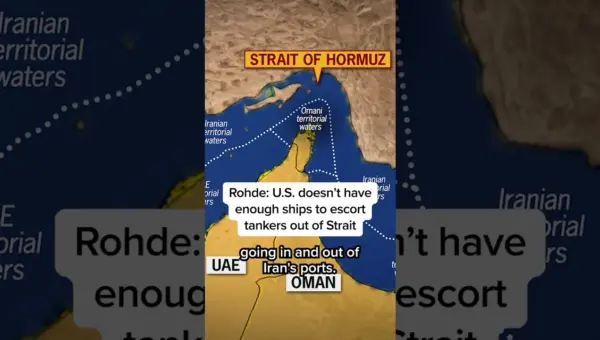
US Navy Lacks Ships to Secure Key Oil Route
The U.S. Navy lacks sufficient ships to escort oil tankers through the critical Strait of Hormuz, according to senior national security reporter David Rohde. This shortage impacts efforts to ensure global oil flow and stabilize energy prices. The situation highlights broader challenges in U.S. maritime strategy and fleet readiness.
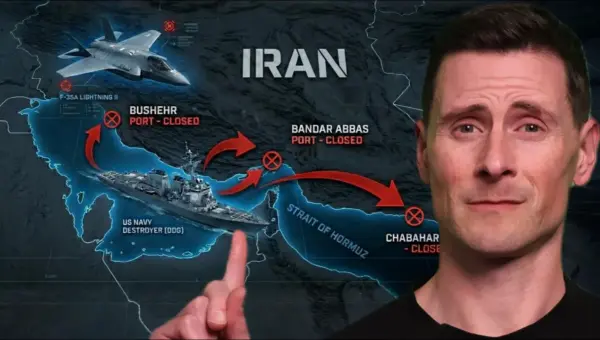
US Navy Tightens Strait of Hormuz Blockade
The U.S. Navy has tightened its blockade in the Strait of Hormuz, part of Operation Economic Fury against Iran. Pentagon officials have issued direct warnings to the IRGC, emphasizing U.S. military dominance and offering an "off-ramp" for a diplomatic resolution. While Iran has issued defiant threats, its naval capabilities are severely degraded, leaving few options against the U.S. carrier strike groups and advanced air power.

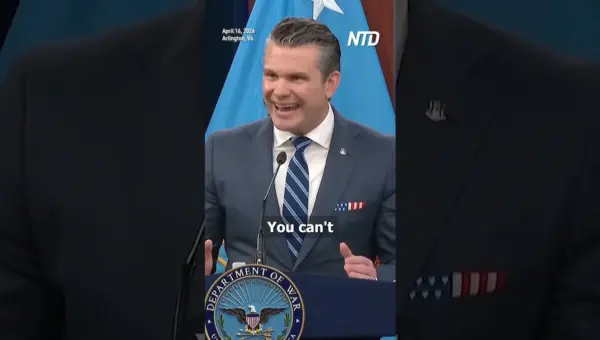
US Navy Dominates Hormuz: Iran’s Threats Are Just Piracy
The US Navy maintains firm control over the Strait of Hormuz, dismissing Iran's claims as mere piracy and terrorism. Experts highlight the US's 'real assets and real capabilities' versus Iran's lack of naval power. This control is vital for global energy security and economic stability.