Spurs’ Past Protest Sparks Current NBA Load Management Debate
The San Antonio Spurs' past decision to rest stars Tim Duncan, Manu Ginobili, and Tony Parker on a flight home from Orlando sparked a major debate. This incident forced the NBA to address player rest and led to new rules, influencing today's load management discussions.

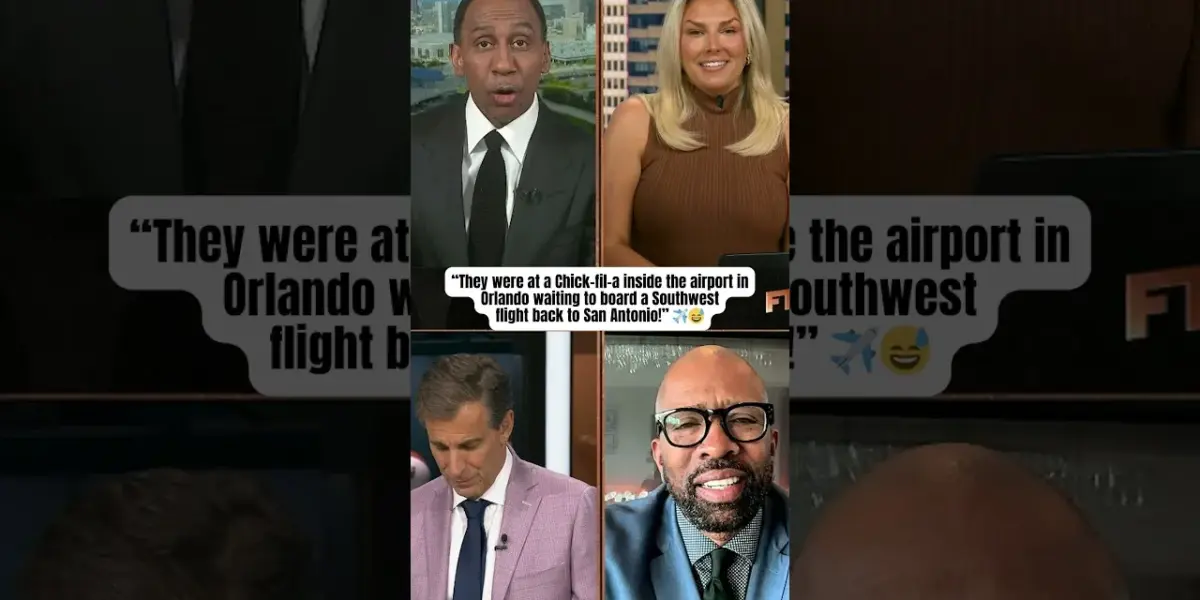
Spurs’ Bold Move Ignites Load Management Firestorm
The NBA’s ongoing discussion about player rest, often called load management, has circled back to its roots, and the San Antonio Spurs are once again at the center of it all. This modern debate traces its lineage directly back to a controversial decision made by the Spurs years ago under coach Gregg Popovich, a move that famously led to Commissioner David Stern’s ire and a rule change.
The story goes back to a nationally televised game years ago when the Spurs were scheduled to play in Orlando. The next night, they had another big game, and Popovich decided to rest his stars: Tim Duncan, Manu Ginobili, and Tony Parker. This decision was so unexpected and handled so discretely that the news broke in a rather unusual way.
A Chick-fil-A Revelation
Reporters and fans alike found out about the resting players not through an official team announcement, but by spotting them at a Chick-fil-A in the Orlando airport. They were there, waiting to board a Southwest Airlines flight back to San Antonio. This was during David Stern’s tenure as commissioner, and he was reportedly furious about the perceived disrespect to the league and the fans.
The game in question was a TNT broadcast featuring Miami versus San Antonio. Everyone expected to see the star trio, but they were absent. The reason?
Popovich was reportedly upset with the league’s scheduling of back-to-back games, especially those involving long travel. As a form of protest, he sent his key players home on a commercial flight.
The Fallout and Rule Change
This incident was a major talking point and led to significant backlash. Commissioner Stern viewed it as a blatant disregard for the integrity of the game and the viewing public. It highlighted a growing tension between coaches wanting to protect their players from fatigue and injury, and the league’s desire for its stars to be available for all games, especially high-profile ones.
In response to this and similar situations, the league eventually implemented rules regarding resting multiple players, especially on national television. The idea was to ensure that fans who paid to see top talent would generally get that opportunity. The Spurs’ bold, almost defiant, move forced the NBA’s hand in addressing how teams managed player health and schedules.
Load Management Today
Now, years later, the conversation around load management is more relevant than ever. Teams frequently rest players for various reasons, citing rest, minor injuries, or simply managing fatigue over a long season. While the methods might be more sophisticated than a Chick-fil-A airport sighting, the underlying principle remains the same: balancing player well-being with the demands of the NBA schedule.
The Spurs’ past actions serve as a historical marker in this ongoing debate. Their willingness to make a statement, even if it meant an unconventional protest, highlights the long-standing challenges the league faces. Popovich’s strategy back then, though controversial, was a clear signal that player health and strategic rest would become a significant factor in team management moving forward.
Source: This story is too good 🤣 (YouTube)

Related Articles

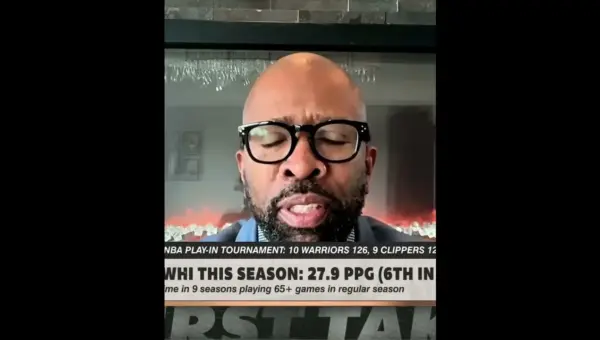
Kawhi’s Future Questioned After Clippers’ Playoff Exit
Kenny Smith believes Kawhi Leonard's biggest concern is being part of a rebuilding team. Following the Clippers' play-in loss, the team faces pressure to convince Kawhi of their future direction and avoid a full rebuild.
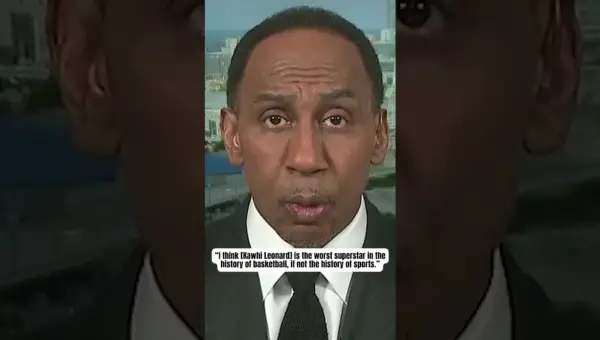
LeBron: Worst Superstar Ever? Stephen A. Unleashes!
Stephen A. Smith ignited a firestorm by calling LeBron James the 'worst superstar in the history of basketball.' Smith argued that while James is talented, his leadership and brand representation fall short of true superstar expectations. This controversial take reignites the debate about James's legacy.

Curry, Draymond Shine in Warriors’ Vintage Show
Stephen Curry poured in 35 points, and Draymond Green delivered a defensive masterclass in a vintage performance that saw the Warriors secure a hard-fought victory. The iconic duo reminded fans of their dynasty-era brilliance, showcasing their enduring skill and competitive will. This performance offers a cherished glimpse of greatness from two future Hall of Famers.