US Signals Readiness to Strike Iran’s War Machine
The U.S. military has issued a stern warning to Iran, stating that all their movements are being watched and that America is ready to restart combat if needed. Officials highlighted Iran's limited ability to repair its military, contrasting it with America's growing strength and superior intelligence.

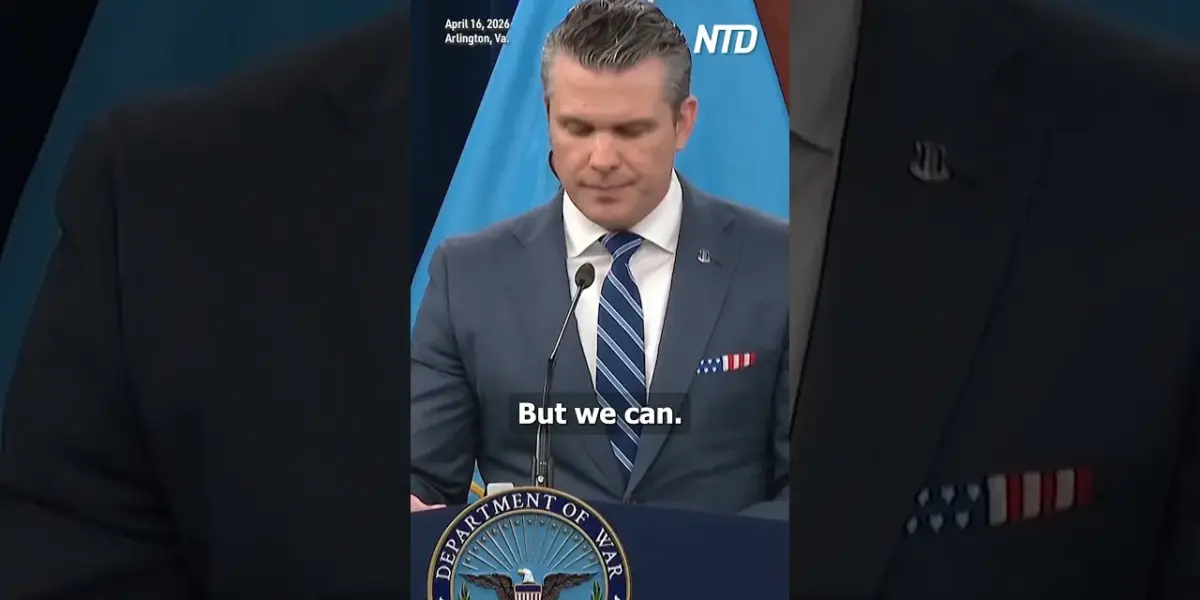
US Issues Stark Warning to Iran: We See Your Every Move
American military officials are sending a clear and direct message to Iran’s leaders: the United States is closely monitoring their every action and is prepared to restart combat operations if necessary. This warning comes with a clear reminder of the vast difference in military strength between the two nations. The message is simple: any confrontation would not be a fair fight for Iran.
The United States claims to know exactly which military assets Iran is moving and where they are being relocated. This intelligence suggests that Iran is currently in a weakened state, trying to recover from previous strikes. These efforts are described as Iran “digging out” of devastated facilities, a process that leaves them vulnerable.
Iran’s Limited Capacity for Repair
According to the U.S. assessment, Iran is recovering its remaining missile launchers and weapons but lacks the ability to replace them. The core of the problem lies in Iran’s severely damaged defense industry. This means Iran cannot rebuild or replenish its offensive or defensive capabilities; they only have the assets they currently possess.
While Iran can move its existing equipment, the U.S. asserts that rebuilding its military strength is impossible at this time. The intelligence indicates that Iran can temporarily retrieve what remains, but it cannot truly restore its military power. In contrast, the United States states it is not only recovering but becoming stronger.
America’s Growing Strength and Intelligence
The U.S. military emphasizes that it is reloading with greater power and significantly improved intelligence gathering. This enhanced intelligence allows American forces to observe Iran’s movements as they happen. This constant surveillance means Iran’s actions are being directly exposed to American observation.
With this superior intelligence, the U.S. is “locked and loaded” on critical Iranian infrastructure. This includes dual-use facilities, remaining power generation plants, and the energy industry. These are key targets that could cripple Iran’s ability to function.
Readiness to Strike on Command
American officials express a preference to avoid further military conflict. However, they are fully prepared to act if ordered by the President. The readiness is described as being “at the push of a button,” indicating a swift and decisive response capability.
This situation reflects ongoing tensions in the region, where Iran’s actions have often been a source of instability. The U.S. warning is a strong deterrent, aiming to prevent further escalation by demonstrating a clear understanding of Iran’s capabilities and limitations, alongside America’s own readiness to act.
Why This Matters
This exchange highlights the delicate balance of power and communication in international relations, particularly in volatile regions like the Middle East. The U.S. is not just issuing a threat; it’s providing a detailed assessment of Iran’s current military condition. This suggests a strategic approach aimed at deterrence through transparency about capabilities and intent.
The focus on Iran’s “dual-use infrastructure” and “energy industry” points to a strategy of targeting economic and essential services that support military actions. This is a common tactic to degrade an adversary’s ability to wage war without necessarily engaging in full-scale ground combat, though the threat remains.
Implications and Future Outlook
The U.S. warning implies that Iran’s ability to project power or retaliate effectively is significantly diminished. This could embolden regional rivals or lead to a more assertive stance from the U.S. and its allies. It also raises questions about the effectiveness of past military actions against Iran’s infrastructure and future strategies.
The future outlook depends heavily on Iran’s response to this pressure. Will Iran scale back its activities to avoid further strikes, or will it attempt to retaliate despite its weakened state? The U.S. has clearly stated its readiness, suggesting that any miscalculation by Iran could lead to swift and severe consequences.
Historical Context
Tensions between the U.S. and Iran have a long history, marked by diplomatic disputes, economic sanctions, and occasional military standoffs. The current situation can be seen as an escalation of this ongoing dynamic, influenced by regional conflicts and Iran’s nuclear program. Past U.S. military actions, particularly those targeting Iranian proxies and military assets, have shaped the current environment.
The U.S. has previously used its superior military technology and intelligence to project power in the region. This warning echoes past instances where the U.S. has sought to deter adversaries by making its capabilities and intentions known. The emphasis on intelligence suggests a continued reliance on advanced technology in modern warfare and diplomacy.
The U.S. military’s statement about “reloading with more power than ever before” and “better intelligence” reflects a commitment to maintaining a technological edge. This is a common theme in defense strategy, where continuous improvement is seen as essential for national security.
The Iranian leadership faces a critical decision point. Their ability to rebuild and replenish is limited, making them highly susceptible to further military action. The U.S. has made it clear that it possesses the means and the will to act if necessary.
The effectiveness of this communication strategy will be tested in the coming weeks and months. Will Iran heed the warning, or will it pursue a path that leads to further confrontation?
Source: ‘We’re Watching You’: Hegseth Warns Iran the US Is Ready to Restart Combat (YouTube)

Related Articles

Jet Fuel Prices Skyrocket Amid Iran Supply Crisis
Soaring jet fuel prices to record highs are driven by disruptions in the Strait of Hormuz due to the ongoing conflict in Iran. Europe faces critical shortages as imports from the Middle East plummet, leading to higher airline costs and ticket prices. The crisis underscores the fragility of global supply chains and their impact on the wider economy.

Iran’s Economy Crippled, Gas Prices May Hit $3 Soon
A U.S. senator claims Iran's military and economy are crippled, suggesting "game over" for the nation. Simultaneously, optimism is high for gas prices to fall below $3 per gallon by late summer or early fall, referencing historical trends.


Trump Brokers 10-Day Israel-Lebanon Ceasefire
President Trump announced a 10-day ceasefire between Israel and Lebanon, set to begin Tuesday at 5 p.m. Eastern time. The agreement follows diplomatic meetings at the State Department and direct calls with leaders from both nations. While Hezbollah was excluded from talks, the ceasefire is seen as a welcome development amid devastation in southern Lebanon.