RFK Jr. Declares Trump ‘Most Stable’ Amidst Fitness Debate
Robert F. Kennedy Jr. has called Donald Trump the "most stable" president, sparking debate. This statement contrasts with concerns raised about Trump's mental fitness for office. The discussion touches on the 25th Amendment and the importance of a leader's stability.

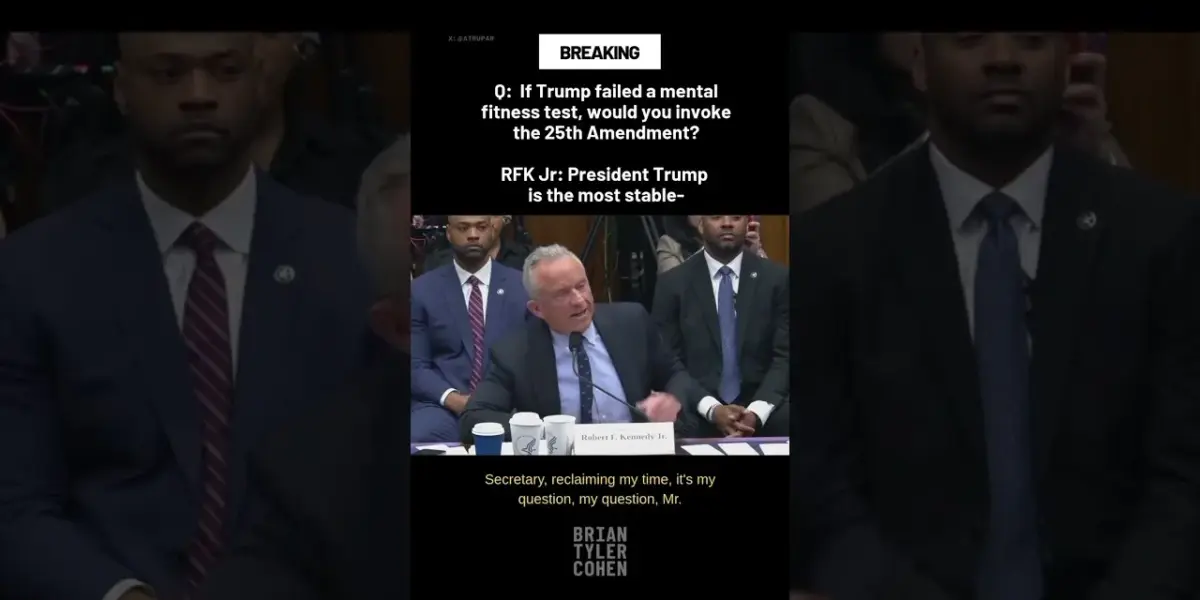
RFK Jr. Declares Trump ‘Most Stable’ Amidst Fitness Debate
The question of a president’s mental fitness for office is a serious one. Recently, a discussion arose regarding Donald Trump’s stability, with Robert F.
Kennedy Jr. making a notable statement. He described Trump as the “most stable” individual, a comment that stands out given the ongoing political conversations about leadership qualities.
This statement comes at a time when mental fitness has been a recurring topic in politics. The transcript highlights a moment where a question was posed about invoking the 25th Amendment if a president failed a mental stability test. The person asked, believed to be a Secretary, did not commit to invoking the amendment for President Trump.
The exchange implied a belief by the questioner that President Trump is mentally and emotionally unstable and unfit to lead. This viewpoint suggests a strong concern about his ability to govern effectively. The questioner also accused the Secretary of prioritizing loyalty to Trump over loyalty to the Constitution and the American people.
Why This Matters
The mental and emotional stability of a nation’s leader is crucial for making sound decisions. It impacts everything from foreign policy to domestic issues. When there are public doubts or questions about a leader’s fitness, it can create uncertainty and affect public trust.
RFK Jr.’s assertion that Trump is the “most stable” offers a contrasting perspective to criticisms about Trump’s temperament. It suggests that, in his view, Trump possesses the necessary mental fortitude for the presidency. This statement could influence how some voters perceive Trump’s readiness for leadership.
Historical Context and Future Outlook
Discussions about presidential fitness are not new in American history. There have been instances where concerns about a president’s health, both mental and physical, have been raised. However, the formal process of invoking the 25th Amendment due to mental instability has never been fully utilized for a sitting president.
The 25th Amendment was ratified in 1967 to clarify presidential succession and disability. It allows for the vice president and a majority of the cabinet to declare the president unable to discharge the powers and duties of their office. This process can lead to the vice president becoming acting president.
Looking ahead, the focus on a leader’s stability is likely to continue. As political discourse evolves, voters will weigh various aspects of a candidate’s character and fitness. Statements like RFK Jr.’s, and the reactions to them, play a role in shaping these perceptions.
The debate over mental fitness also highlights the importance of transparency and accountability in leadership. It raises questions about how such assessments are made and who has the authority to make them. These are complex issues with no easy answers.
Ultimately, the voters will decide who they believe is most fit to lead. The conversation around mental stability is just one piece of the larger puzzle. It will be interesting to see how these discussions influence the upcoming political landscape and voter decisions.
The next steps in this ongoing conversation will likely involve further public discourse and political debate surrounding presidential qualifications. Such discussions are essential for an informed electorate.
Source: RFK Jr. says Trump is the "most stable" (YouTube)

Related Articles

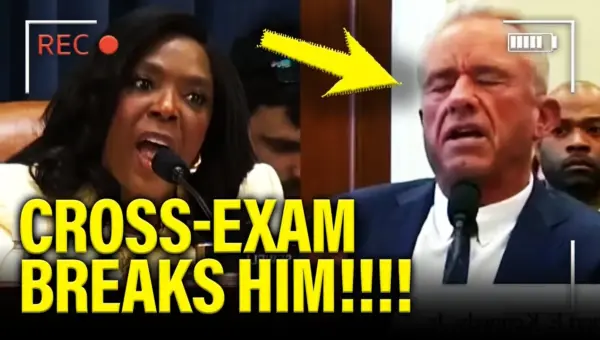
RFK Jr. Faces Tough Questions on Mercury, Vaccines, and His Past
Robert F. Kennedy Jr. faced a barrage of questions in Congress regarding mercury pollution, controversial remarks about children, and vaccine policy. Lawmakers presented evidence challenging his statements and current actions, leading to tense exchanges.
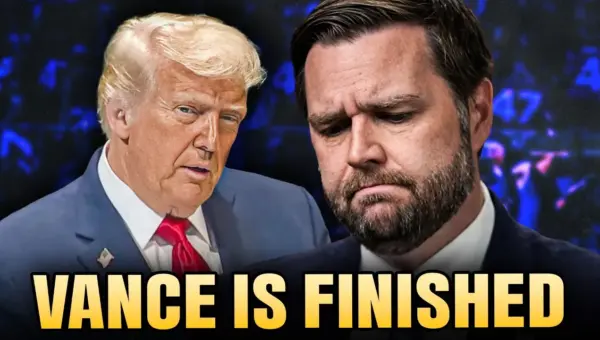
Trump’s Shadow Crushes Vance’s Political Future
Vice President J.D. Vance faces historically low approval ratings, a sharp decline from his initial popularity. The analysis suggests his association with Donald Trump is the primary cause, potentially jeopardizing his long-term political career. A radical proposal involves invoking the 25th Amendment to address concerns about presidential fitness.

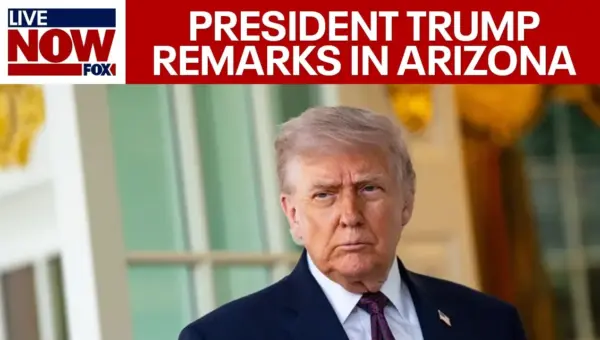
Trump Rallies Arizona Republicans, Hails “Open” Strait of Hormuz
Former President Donald Trump addressed a "Build the Red Wall" rally in Phoenix, Arizona, aiming to energize Republican voters for the midterms. The event highlighted "America First" policies and celebrated the reported opening of the Strait of Hormuz, which positively impacted financial markets and lowered oil prices.