Iran Deal Looms: Trump Eyes “Grand Bargain” Amid Ceasefire
Former President Trump is reportedly pursuing a "grand bargain" with Iran, leading to optimism about a potential end to the conflict. A ceasefire is in place, and a deal could see billions in Iranian assets unfrozen and sanctions lifted. Meanwhile, European allies are accelerating plans for their own defense capabilities amid uncertainty over U.S. commitment to NATO.

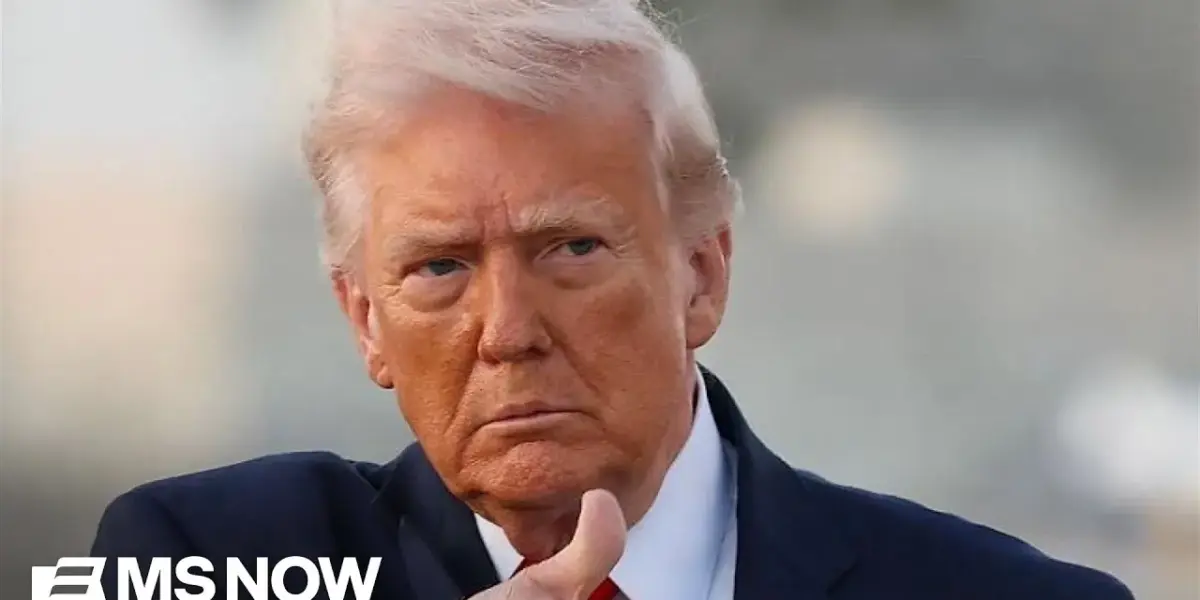
Ceasefire Offers Hope for Iran Deal
In a significant shift, there’s growing optimism about extending a ceasefire and pursuing a comprehensive deal to end the conflict with Iran. This potential breakthrough comes as former President Trump, who initiated the conflict, has recently shown a clear orientation toward de-escalation and negotiation. A current blockade in place grants the United States more leverage, signaling a serious commitment to economic pain for a deal.
The most crucial development is the existing ceasefire. This means American forces are not targeting Iran, and in turn, Iran has not responded with attacks against allies like the UAE and Saudi Arabia. White House sources suggest a second round of talks in Islamabad could lead to a positive announcement of victory for the U.S.
“Grand Bargain” or “Victory Lap”?
Vice President Vance has spoken about the U.S. seeking a “grand bargain” with Iran, not a minor agreement. He stated that if Iran acts like a “normal country,” the U.S. is willing to treat it economically as such. This suggests a desire for a far-reaching deal.
The question remains whether this aligns with Trump’s vision. Ultimately, if Trump decides to withdraw from the conflict, the path is clear. This could lead to the unfreezing of approximately $6 billion in Iranian assets currently held in Qatari banks. Additionally, American sanctions on Iran would likely be suspended or significantly lifted as part of such an agreement.
Economic Upside for Iran
If Iran meets Trump’s conditions for a “win,” the economic benefits could be substantial. Being treated as a normal country would translate into significant economic gains for the Islamic Republic. These gains could be framed as reparations, sanctions relief, reconstruction funds, or tolls, but the core outcome would be billions of dollars flowing into Iran.
This contrasts sharply with Trump’s previous rhetoric, where he aimed to liberate the Iranian people from a regime he accused of widespread killings. The potential for a deal that benefits the current Iranian government raises questions about the initial objectives of the conflict.
Europe Rethinks Defense Amid U.S. Uncertainty
Beyond the U.S.-Iran situation, European allies are reportedly developing a fallback defense plan. This move is a response to Trump’s long-standing threats to withdraw from NATO. The groundwork for this plan began last year and accelerated following Trump’s controversial remarks and Europe’s refusal to support the war in Iran.
While some analysts believe the U.S. will not leave NATO due to treaty requirements and lack of Senate support, it’s clear that European nations are planning for reduced reliance on American security guarantees. This shift is prompting a re-evaluation of defense spending and capabilities across Europe.
Shifting Defense Spending and Industrial Policy
The implications of this potential U.S. withdrawal from NATO and reduced European reliance on American defense are significant for the military-industrial complex. European nations are expected to invest more in their own defense companies, leading to less spending on American military hardware.
For example, Canada’s Prime Minister has noted that a substantial portion of its defense spending currently goes to U.S. companies. This trend is likely to change, with funds being redirected to bolster domestic defense industries. This shift in spending is seen as a direct consequence of Trump’s foreign policy decisions and could have a notable impact on American jobs and the economy.
What’s Next?
The coming weeks will be critical in determining the fate of the U.S.-Iran negotiations and the broader implications for European security. All eyes will be on the upcoming talks in Islamabad and whether a “grand bargain” can be reached. Simultaneously, European nations will continue to solidify their independent defense strategies, potentially reshaping global alliances.
Source: 'Real economic upside for the Iranians': Ian Bremmer breaks down potential war deal (YouTube)

Related Articles
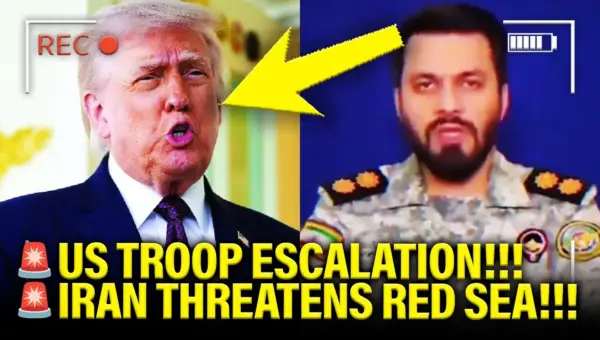
Trump’s Middle East Gambit: Escalation or Empty Threat?
The US is sending troops and imposing a blockade in the Middle East, signaling escalation. Yet, conflicting messages from Donald Trump suggest peace is near. This analysis explores the contradictory actions, Iran's defiant response, and the potential global economic and political fallout.


Trump’s Memo: A Political Play, Not a Paycheck Promise
A presidential memo intended to pay TSA workers during a shutdown was more political theater than a legal solution. Lacking the constitutional "power of the purse," the memo offered false hope, highlighting the separation of powers and the limits of executive authority.

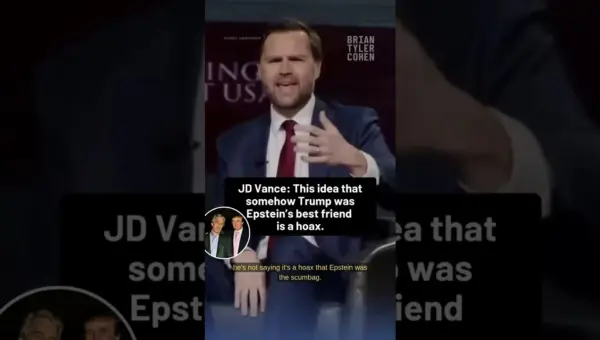
Vance Defends Trump: Epstein Friendship Claim Is A Hoax
Senator JD Vance asserts that claims of Donald Trump being close friends with Jeffrey Epstein are a "hoax." Vance cited emails suggesting a mutual dislike and even Trump reporting Epstein to authorities, arguing this refutes the "best friend" narrative pushed by Democrats.