Oil Prices Surge: Iran Conflict Sparks Economic Fears
Escalating Middle East tensions have sent oil prices soaring to record highs, sparking fears of a global economic downturn. Experts warn of a multi-wave inflationary impact on household budgets and the broader economy.

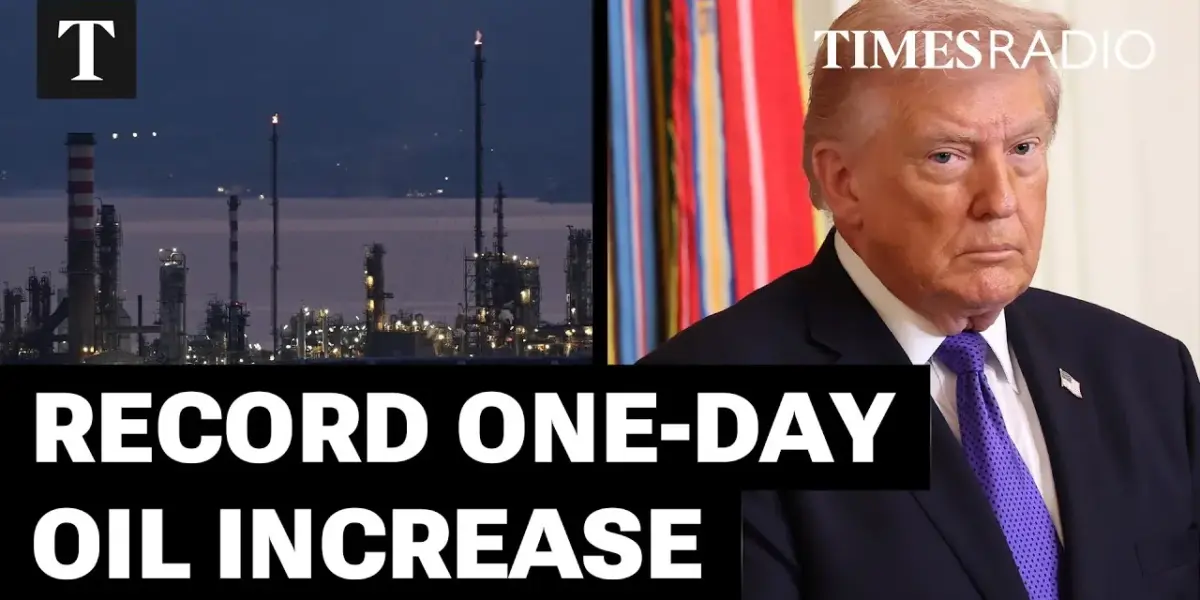
Global Tensions Escalate as Oil Prices Skyrocket
In the wake of escalating tensions in the Middle East, global oil prices have experienced an unprecedented surge, climbing to over $115 a barrel. This dramatic increase, the largest single-day jump in history, follows a significant escalation in hostilities involving Iran and its Revolutionary Guard Corps. Allies of U.S. President Trump have reiterated strong support for military action, with Senator Lindsey Graham issuing a stark warning of impending conflict and promising a decisive victory that would usher in a time of unparalleled peace and prosperity.
Iran’s Military Posture and U.S. Response
The Iranian Revolutionary Guard Corps has declared its readiness for “complete obedience and self-sacrifice” in adhering to the directives of its new Supreme Leader. This declaration comes amid heightened fears of a broader conflict. Senator Lindsey Graham, a vocal proponent of a robust U.S. Response, articulated a grim outlook for Iran, stating, “We’re going to win.
Israel and the United States, you just wait to see what comes in the next two weeks.” He further elaborated, “We’re going to blow the hell out of these people. This regime is in a death row now.
It is going to be on its knees. It’s going to fall.” Graham contrasted the current administration’s approach with that of the Democrats, whom he criticized for inaction, emphasizing pride in the U.S. military’s efforts.
Economic Repercussions: Inflation and Cost of Living
The geopolitical instability has triggered significant economic consequences, most notably the sharp rise in oil prices. Simon French, Chief Economist at Panmure Liberum and a columnist for The Times, discussed the broader economic implications. He noted that while President Trump has characterized high energy prices as a “small price to pay for USA and world safety and peace,” many would disagree, citing the tangible impact on household budgets.
French explained that elevated oil prices would not only increase the cost of weekly groceries but also ripple through other sectors, affecting food, construction, and potentially driving up wage demands. This, in turn, could derail expectations for interest rate cuts, as inflation pressures mount.
“Most people would look at the tangible impact on their lives and conclude that the impact of gas prices and oil prices if they remain around these kind of levels will mean a higher cost of your weekly shop, but it will also pass into other parts of the economy. Food prices, construction prices, and then pressure to push up wages.”
Simon French, Chief Economist, Panmure Liberum
The Three Waves of Inflationary Impact
French detailed a multi-stage inflationary process stemming from sustained high oil prices. The first-order impact, typically felt at the petrol pumps within four to six weeks, is followed by a quicker transmission through supply chains. A second-order impact is anticipated around July 1st, when the household energy price cap is updated, potentially leading to higher energy bills due to sustained high gas prices.
A third wave would involve the broader economy repricing costs, including labor and raw materials in manufacturing and construction. This sequential impact, French warned, could lead to a prolonged squeeze on the cost of living, moving beyond a simple initial shock to a more pervasive economic challenge.
Debate on Energy Policy: North Sea Oil and Renewables
The crisis has reignited debates surrounding the UK’s energy strategy. While acknowledging that domestic North Sea oil and gas production does not significantly influence global prices, French argued in his column for The Times that it remains crucial for the UK’s fiscal balance and the value of the pound. A weaker pound, exacerbated by the Middle East conflict, makes imports, particularly food, more expensive in sterling terms.
The discussion also touched upon the green agenda. While proponents like Steve Reed emphasize the need for more renewables, French advocated for a “pluralist approach” to energy in the short term. He contended that renewables cannot be deployed quickly enough to meet current demand and that, alongside investments in nuclear and offshore wind, a pragmatic focus on existing fossil fuel resources is necessary to mitigate immediate economic vulnerabilities.
Cost of Living Vulnerability and Future Shocks
French introduced the term “cost of living vulnerability” to describe the UK’s susceptibility to economic shocks. He argued that the phrase “cost of living crisis” has lost its impact due to overuse. Instead, focusing on building resilience and reducing vulnerability is key to weathering future economic storms.
This strategy aligns with the government’s economic agenda, though political challenges within the ruling party may hinder progress. With a volatile global landscape, including potential disruptions from the U.S. Administration, the need for robust economic planning and resilience has never been more critical.
The coming weeks will be crucial in determining the trajectory of the conflict and its subsequent economic fallout. Attention will remain fixed on oil markets, inflation indicators, and the policy responses from governments worldwide. The Chancellor’s upcoming economic strategy will be closely scrutinized for its approach to building resilience in the face of persistent global uncertainties.
Source: If Trump Thinks I'm A Fool, Then I'm Happy To Be One | Investment Banker (YouTube)

Related Articles


Trump’s Iran Deal: A War Risk for Obama’s Outcome?
President Trump sought a tougher Iran deal than Obama's, but recent events suggest he may end up with a similar outcome. The breakdown in communication and Iran's perception of US aggression complicate negotiations.

Warsh Calls for Fed Overhaul, Blasts Inflation Failures
Kevin Warsh, a potential Federal Reserve chairman nominee, is calling for a major overhaul of the central bank's approach to inflation. He argues that policy errors have led to significant price increases and that the Fed's balance sheet expansion has blurred the lines with fiscal policy. Warsh advocates for a return to traditional tools like interest rates to manage the economy.

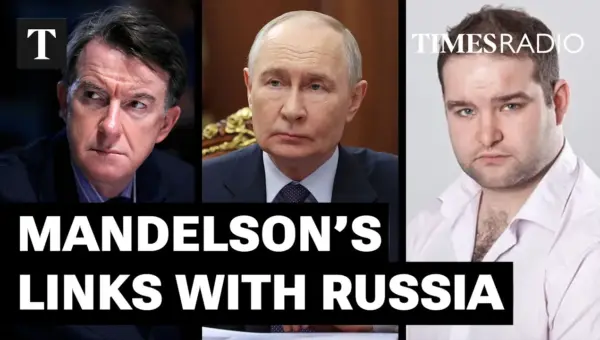
Mandelson’s Putin Lobbying Sparks Judgment Concerns
Lord Mandelson is facing scrutiny for lobbying Russian President Vladimir Putin in 2017 on behalf of a Russian company, AFK Sistema. While his actions were not illegal, critics question his judgment given Russia's adversarial stance towards the UK at the time. Mandelson received significant financial compensation for his role, adding another layer to the controversy.