US Navy Seizes Iranian Ship Amidst Tense Standoff
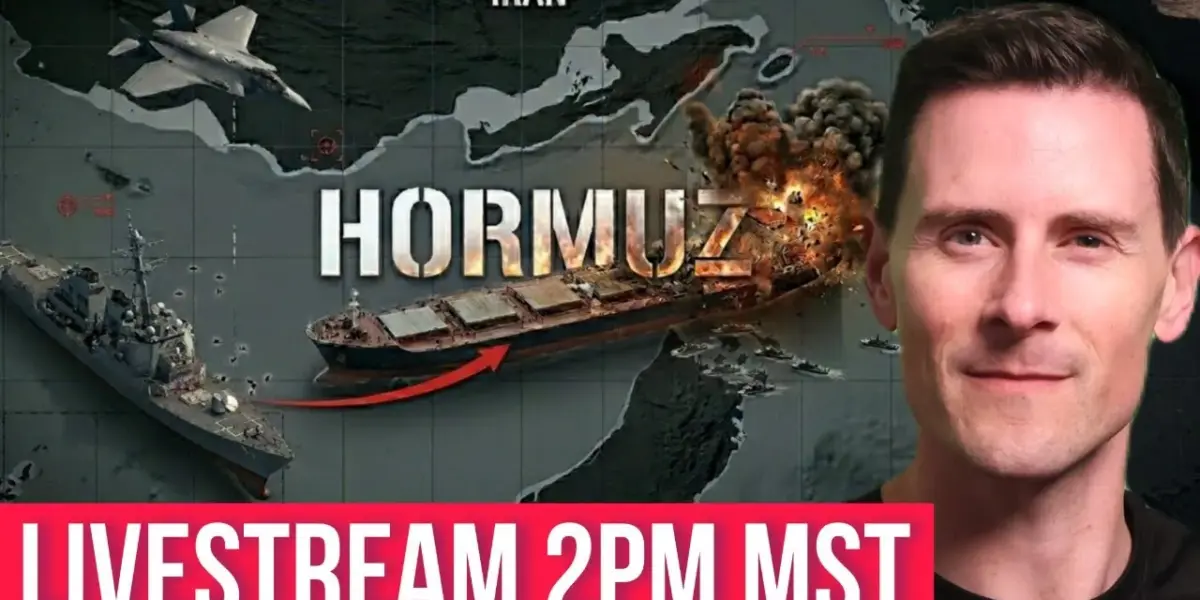
The U.S. Navy seized the Iranian cargo ship Touska near the Strait of Hormuz, disabling it with a 5-inch gun after it attempted to breach a naval blockade. This incident occurs as Iran reportedly falls under the control of a hardline IRGC general, raising concerns about future negotiations and escalating tensions.

US Navy Seizes Iranian Ship Amidst Tense Standoff
The U.S. Navy has intercepted and seized an Iranian-flagged cargo vessel, the Touska, in a significant development during the ongoing naval blockade. The operation occurred on April 19th, marking a critical moment in the roughly 50-day conflict between the U.S. and Iran. This incident took place near the Strait of Hormuz, a vital waterway for global oil transport.
The USS Spruance, a guided missile destroyer, disabled the Touska with its 5-inch gun after the vessel attempted to breach the U.S. naval blockade. U.S. Marines then boarded the ship.
This action was a direct response to the Touska ignoring multiple warnings over a six-hour period. The blockade, established after U.S.-Israeli air strikes in late February, aims to restrict maritime traffic in and out of Iran.
IRGC Hardliner Takes Control in Iran
Adding to the escalating tensions, Iran is reportedly now under the control of a hardline IRGC general. This shift in leadership suggests a potential move away from the influence of the Ayatollah class.
The IRGC, or Islamic Revolutionary Guard Corps, is seen by many as the most powerful faction within Iran. This internal power dynamic could significantly influence future negotiations and the overall conflict.
The speaker notes that Iran has historically focused on winning negotiations rather than outright wars. This strategy relies on propaganda and political maneuvering.
The rise of an IRGC general to the top position may signal a more assertive, less diplomatic approach from Tehran. This development raises questions about the future of any ongoing ceasefire, which is set to expire soon.
Strategic Implications of the Blockade
The naval blockade is positioned approximately 50 to 100 miles outside the Strait of Hormuz, near the Gulf of Oman. Iran’s attempt to push the Touska through this blockade was likely a strategic move for propaganda purposes. A successful breach would have allowed Iran to claim a victory, demonstrating that the U.S. blockade was not entirely effective.
The seizure of the Touska by the USS Spruance highlights the U.S. Navy’s capability to enforce the blockade. The 5-inch gun on the destroyer proved effective in disabling the cargo ship. This incident is a clear message that attempts to circumvent the blockade will be met with force.
Iran’s Response and Propaganda War
Iran’s IRGC joint military command and Foreign Ministry have condemned the boarding of the Touska. They labeled the operation as “armed piracy” and a “direct ceasefire violation.” Tehran has warned that Iranian armed forces will retaliate. They also accused the U.S. of undermining diplomacy and stated there are no plans for Iran to attend upcoming U.S.-brokered talks.
This rhetoric underscores Iran’s ongoing propaganda efforts. By framing the U.S. actions as illegal aggression, Iran attempts to garner international sympathy and project an image of victimhood. This tactic is part of their long-standing strategy to win negotiations, even when facing military setbacks.
Broader Geopolitical Context
The conflict and blockade have had a noticeable impact on global oil prices. While they rose slightly, markets have not returned to previous highs.
The situation also involves China, which is suspected of providing Iran with high-resolution satellite imagery. This support could enhance Iran’s targeting capabilities for ballistic missiles and drones, even without direct weapons shipments.
China’s potential involvement aims to challenge U.S. influence in the Strait of Hormuz. By enabling Iran to cause disruption, China seeks to delegitimize U.S. presence and operations in the region. This highlights the complex geopolitical rivalries at play, extending beyond the direct U.S.-Iran confrontation.
Future Outlook and Uncertainty
The immediate future remains uncertain as the fragile ceasefire nears its expiration. Iran’s new leadership has indicated no intention to engage in further negotiations. This stance suggests a potential for renewed military exchanges and a continuation of the standoff.
U.S. officials have warned of escalating force, including possible strikes on Iranian infrastructure, if a deal is not reached. The U.S. administration has stated the blockade will remain in effect “as long as it takes.” No ships have successfully breached the blockade to date. The situation continues to be a high-stakes game of cat and mouse, with the potential for further escalation.
Source: U.S. Military INSANE Capture Operation Of Iran's Massive Cargo Ship (YouTube)

Related Articles


Questions Mount Over Trump’s Health, Amid Geopolitical Tensions
Questions are mounting over President Trump's health and cognitive state amidst complex international negotiations. Iran's potential refusal to attend talks in Islamabad, following the seizure of a cargo ship, highlights ongoing geopolitical tensions and Iran's strategic leverage. Analysts suggest Trump's public appearances provide ample evidence of his current condition.

US Navy Blasts Hole in Iranian Ship, Seizes Vessel
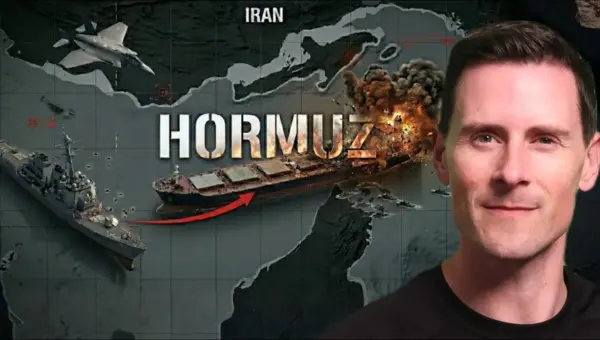
The U.S. Navy seized the Iranian cargo ship MV Tusca in the Arabian Sea after disabling it with precision fire on April 19th. The operation, involving the USS Spruance and Marines from the 31st MEU, occurred during a six-hour standoff as the ship attempted to bypass a U.S. blockade. Iran has condemned the action as piracy and threatened retaliation.
US Seizes Iranian Ship, Escalating Tensions Near Strait of Hormuz
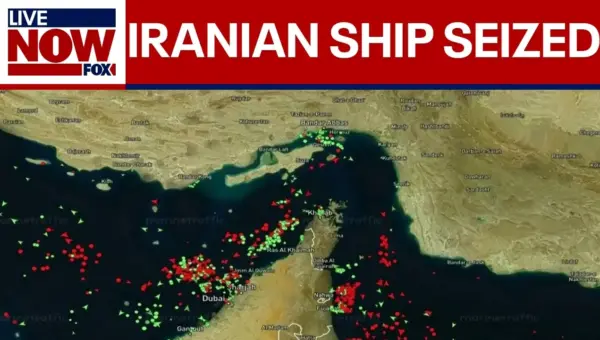
The US Navy seized an Iranian-flagged cargo ship, the Tusca, near the Strait of Hormuz, escalating tensions. Iran has vowed retaliation, casting doubt on a fragile ceasefire. The incident highlights complex maritime law issues and has caused significant market volatility.