Trump’s Iran Gamble: A Risky War Fueled by Distraction?
Tensions with Iran are escalating, with the Strait of Hormuz at risk and diplomatic talks faltering. Analyst Maryanne Williamson suggests the conflict may be a distraction from domestic issues and criticizes the U.S. government's long-standing reliance on military force over diplomacy. The situation raises serious questions about leadership, strategy, and the human cost of war.

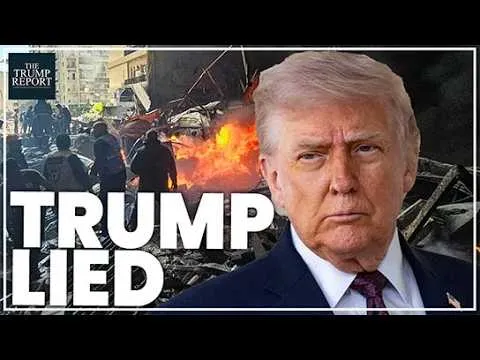
Trump’s Iran Gamble: A Risky War Fueled by Distraction?
The Strait of Hormuz is a vital waterway, a narrow passage where a fifth of the world’s oil travels. Recently, tensions there have flared, with ships facing danger and the U.S. seizing an Iranian vessel. Iran has labeled this act as “armed piracy” and warned of retaliation.
This has put a fragile ceasefire between the U.S. and Iran at risk. Talks aimed at de-escalating the situation have stalled, with Iran questioning the U.S. government’s seriousness about peace.
The situation is complex, with both sides accusing each other of violations. The U.S. wants Iran to halt its nuclear activities long-term and reopen the Strait of Hormuz.
Iran, on the other hand, seeks the lifting of sanctions and fewer restrictions on its nuclear program, including the right to enrich uranium. President Trump has pushed for talks while also threatening military strikes, demands Iran finds unrealistic.
A Pattern of Miscalculation
Maryanne Williamson, a political activist and author, suggests that the U.S. government has long held a “delusional perspective” about the power of its military. She points to past conflicts in Vietnam, Iraq, and Afghanistan as examples where military force alone did not achieve long-term goals. The current approach in Iran, she argues, mirrors the “shock and awe” tactics used in Iraq, which proved insufficient against a determined adversary.
While acknowledging that no one wants Iran to possess nuclear weapons, Williamson highlights that military intelligence has consistently warned that bombing campaigns alone cannot remove the current regime. Removing the regime, she explains, would likely require “boots on the ground,” a step previous presidents have avoided due to the immense political and human cost.
The Obama administration’s nuclear deal, though criticized, now appears to have been a wise move, providing a framework for managing Iran’s nuclear program.
The Human Cost of Conflict
Beyond the geopolitical and economic implications, Williamson expresses deep concern for the Iranian people. She criticizes the media’s focus on oil and the Strait of Hormuz, emphasizing the human suffering caused by the conflict. She recalls President Trump’s past statements encouraging Iranians to take to the streets, suggesting he treated the situation like a reality TV show, not a matter of life and death for those involved.
Despite claims of successfully targeting Iranian leadership, Williamson notes that the regime has become more entrenched and, sadly, more brutal. The public executions of young Iranians are presented as a major humanitarian concern that should be at the forefront of the global discussion.
Rhetoric vs. Reality
President Trump’s public statements have been marked by aggressive rhetoric, including threats to destroy Iran’s infrastructure if a deal is not accepted. These threats, often made without clear specifics about targets like the Revolutionary Guard Corps, echo past controversial statements. Critics argue this approach is more about showmanship than strategic diplomacy.
Williamson likens the president’s tactics to a television show, where threats are made and then sometimes withdrawn, creating an atmosphere of unpredictability. This style of leadership, she suggests, is dangerous, especially when dealing with international relations. The lack of clear strategy and the reliance on impulsive reactions are seen as significant liabilities.
A Distraction Tactic?
A significant point raised is the possibility that the conflict in Iran is a distraction from domestic issues, particularly the ongoing Epstein legal proceedings. This theory suggests that the war was initiated to divert public attention from sensitive information that could implicate the president and his associates.
The narrative suggests a pattern where major events, like the Iran conflict or controversial statements about the Pope, are used to shift focus away from potentially damaging news. This strategy, it is argued, aims to create short-term political wins for the president and his allies, rather than serving the broader interests of the United States.
Concerns About Leadership
Reports from The Wall Street Journal indicate that during a high-stakes operation to rescue a downed airman, President Trump was so erratic that senior officials limited his involvement in sensitive planning. Concerns about his impulsiveness and potential to leak information led to key decisions being made by military leaders without his full briefing.
This situation raises serious questions about the president’s fitness for office. Williamson suggests that if the military acted to exclude him from critical planning, it was a necessary measure to ensure the operation’s success. She implies that the U.S. military, composed of intelligent individuals, would recognize the risks of involving an unpredictable leader in such a critical moment.
Public Opinion and Political Fallout
Public opinion polls indicate that a majority of voters disapprove of President Trump’s handling of the Iran war. Many Americans are concerned about the war’s impact on the U.S. economy and the risk of escalation. Independents, a crucial voting bloc, are increasingly leaning against the president on this issue.
The president’s support appears to be eroding, even among some of his core base. His controversial statements and actions, including attacks on religious figures, have alienated some traditional allies. This suggests that the war in Iran, coupled with other political missteps, could have significant consequences for his electoral prospects.
A Call for Deeper Change
Williamson argues that the current political climate is a symptom of deeper issues within the United States, particularly a shift away from democratic principles and a widening wealth gap. She believes that the Democratic Party needs a fundamental course correction, moving beyond short-term political gains to address the root causes of public discontent.
The focus, she asserts, must be on serving the needs of working people and challenging the influence of corporate interests. Until the nation addresses the widespread suffering and economic inequality, it will remain vulnerable to populist leaders offering false hope. The path forward requires a recommitment to democratic ideals and a genuine delivery on the promises of a government that serves all its citizens, not just a select few.
Why This Matters
The escalating tensions with Iran, coupled with domestic political strategies, highlight a critical juncture for U.S. foreign policy and its democratic institutions. The potential for miscalculation in international affairs, driven by domestic political pressures or personal agendas, carries immense risks. The conversation around leadership, strategy, and the true cost of conflict is more important than ever.
The future outlook depends on whether leaders prioritize reasoned diplomacy and long-term stability over short-term political gains and distractions. The current situation suggests a need for greater transparency, strategic foresight, and a renewed focus on the well-being of both the nation and the global community. The decisions made in the coming weeks and months will have lasting repercussions.
The United States must confront the deep-seated issues that make its population susceptible to divisive rhetoric and external conflicts. Addressing economic inequality, ensuring democratic processes are robust, and prioritizing human dignity are essential steps. The nation’s ability to navigate these challenges will determine its standing on the world stage and the health of its own democracy.
Source: Trump tried to bury Epstein scandal — now he’s stuck in Iran (YouTube)

Related Articles
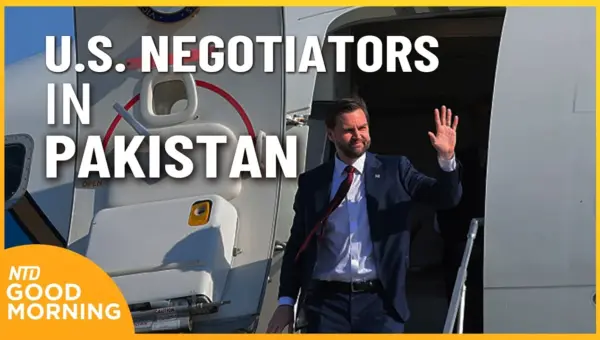
Iran Talks Stall Amid US Ship Seizure, Scientists Vanish
Peace talks between the U.S. and Iran are in jeopardy following the U.S. military's seizure of an Iranian ship. Analysts point to internal divisions within Iran as a major obstacle to any potential deal. The report also covers the concerning trend of missing or deceased scientists and a tragic mass shooting in Louisiana.
Trump’s Erratic Behavior Fuels Global Unease, Domestic Doubts
Donald Trump's recent public statements and actions are causing significant concern among world leaders and raising questions at home. His frequent outbursts on Truth Social, particularly regarding international affairs, suggest a leader under immense pressure. These displays often come across as desperate attempts to project strength while privately facing considerable challenges.
Generals Warn Trump’s Behavior Threatens National Security
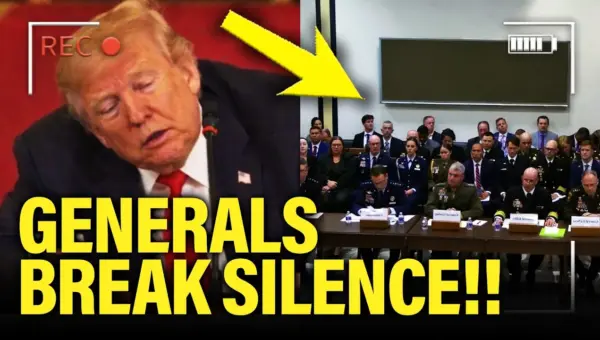
Top military leaders are reportedly warning that Donald Trump's erratic behavior and temperament pose a threat to national security. Leaked information suggests concerns over his decision-making, leading to him being excluded from critical mission briefings. This comes amid reports of low morale and broader issues within the U.S. military.