Near Misses: Disasters That Almost Ended the World
From a solar storm missing Earth by days to the Cuban Missile Crisis bringing the world to the brink of nuclear war, history is filled with terrifying near-misses. This look back reveals how close humanity has come to devastating, world-altering disasters.

History’s Terrifying Close Calls Revealed
From the brink of nuclear war to a solar storm that missed Earth by days, history is filled with moments where humanity narrowly avoided total disaster. A new look at these close calls shows just how close we’ve come to catastrophic events that could have reshaped or even ended civilization as we know it.
Ice Age Survivors
Tens of thousands of years ago, Earth faced a brutal ice age. Glaciers grew, changing landscapes and making survival incredibly tough, especially in southern Africa. Cooler weather meant less rain, shrinking forests and grasslands that early humans needed for food and water.
Small groups of early humans were forced into coastal areas like Mossel Bay, where life was a constant struggle. They relied on the sea but desperately needed better weather. Scientists believe that if the ice had spread just a bit more or lasted longer, human populations in that region could have dropped much lower.
A Blown Fuse, A World on Edge
During the tense Cold War in 1961, a simple blown fuse almost triggered World War III. Radar systems designed to detect incoming Soviet nuclear missiles suddenly went dark across North America. Military leaders feared a surprise attack and thought the Soviets might have knocked out the detection systems.
If officials had stuck with this belief, it would have led to immediate nuclear retaliation. Thankfully, cooler heads prevailed as commanders waited long enough for technicians to find the real problem. It turned out to be just an overheated fuse in a Colorado relay station, a tiny electrical failure that nearly caused a global catastrophe.
Solar Storm Misses Earth’s Orbit
On July 23rd, 2012, the sun unleashed a massive burst of energy called a coronal mass ejection. These powerful solar events blast radiation and plasma into space at high speeds. If such a storm had hit Earth directly, it could have knocked out satellites, power grids, and communication systems.
Luckily, this giant storm passed through the part of space Earth had occupied just a week before. Experts estimate that a direct hit could have caused global power outages lasting months or even years, costing trillions of dollars and sending us back to the Stone Age.
Ancient Cosmic Danger
Millions of years ago, a star exploded in a massive event called a supernova. Scientists found traces of a radioactive element, iron-60, in deep ocean rocks, suggesting a supernova happened nearby about 2 to 3 million years ago.
The radiation from this explosion likely affected Earth’s atmosphere and exposed ancient life to more cosmic rays. If the star had exploded closer to our solar system, the effects could have been much more severe for life on our planet.
Apollo 13: The ‘Successful Failure’
The Apollo 13 mission in 1970 aimed to be the third moon landing. But just two days into the journey, an oxygen tank exploded, crippling the spacecraft. The crew had to abandon the moon landing and focus on survival, nearly 200,000 miles from Earth.
With limited power, water, and oxygen, astronauts Jim Lovell, Jack Swigert, and Fred Haise faced a life-threatening situation. Engineers and mission control worked non-stop to find creative solutions. Through incredible teamwork and skill, the astronauts returned home safely, a mission deemed a ‘successful failure’ because their survival against the odds was a triumph.
San Francisco’s Fiery Fates
On April 18th, 1906, San Francisco was rocked by a massive earthquake. The quake destroyed buildings, broke gas lines, and started fires that quickly spread through the damaged city.
For days, huge fires burned through neighborhoods while emergency crews struggled. To stop the flames, firefighters and soldiers used dynamite to create firebreaks, or gaps, to stop the fire from spreading. While the earthquake caused thousands of deaths and destroyed much of the city, these firebreaks prevented the fires from engulfing the entire Bay Area.
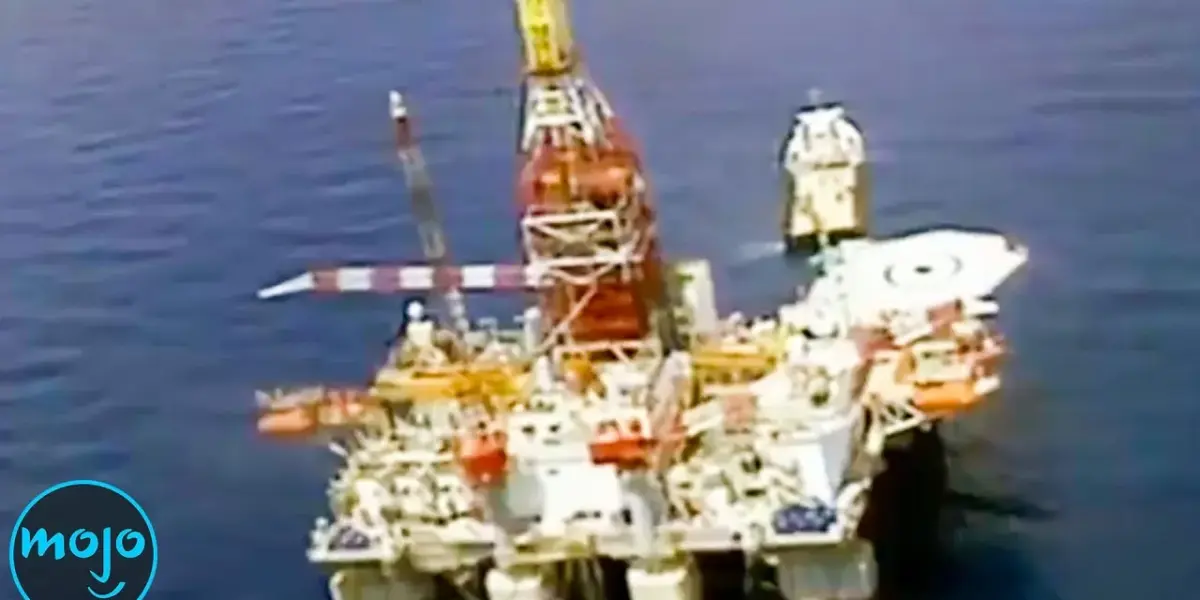
Deepwater Horizon’s Near-Catastrophe
In April 2010, an explosion on the Deepwater Horizon drilling rig led to the worst offshore oil spill in U.S. history. For nearly three months, crude oil poured into the Gulf of Mexico.
The spill caused massive environmental and economic damage. However, experts believe it could have been much worse. It might have been far more devastating if it had happened during hurricane season, if the efforts to cap the well had failed, or if the leak had occurred closer to shore.
Chelyabinsk Meteor’s Airburst
On February 15th, 2013, residents of Chelyabinsk, Russia, saw a large meteor flash across the sky. This meteor, weighing thousands of tons, entered Earth’s atmosphere at incredible speed.
It exploded about 20 miles above the city in a powerful airburst. The shockwave shattered windows and injured over a thousand people, mostly from flying glass.
Scientists estimated the explosion released energy equal to hundreds of thousands of tons of TNT. Thankfully, the meteor broke apart in the air; if it had hit the ground intact, the destruction would have been immense.
Cuban Missile Crisis: Nuclear Brinkmanship
The Cuban Missile Crisis in 1962 was the most dangerous moment of the Cold War, bringing the world to the edge of nuclear conflict. The U.S. discovered the Soviet Union was building nuclear missile sites in Cuba, just 90 miles from Florida.
For 13 tense days, tensions soared as both sides prepared for war. Several incidents brought the world even closer to disaster, including a Soviet submarine that nearly launched a nuclear torpedo when attacked by U.S. ships. Thankfully, leaders on both sides chose diplomacy and restraint, preventing a nuclear catastrophe.
Chernobyl: A Disaster That Could Have Been Worse
The Chernobyl nuclear disaster in April 1986 saw a reactor explode, releasing massive amounts of radioactive material. Fires burned for days as firefighters and workers risked their lives to contain the damage.
What many don’t realize is that the disaster could have been far worse. Nearby reactors were dangerously close to the flames, and scientists feared a massive steam explosion if molten fuel reached the water below. A team of divers bravely entered flooded basements to drain water, preventing a catastrophe that could have devastated much of Europe.
Source: 10 Disasters That Could Have Been Even WORSE (YouTube)

Related Articles
Chernobyl’s Shadow: Unveiling Earth’s Most Radioactive Hotspots
While Chernobyl is a symbol of radiation danger, everyday activities like flying and habits like smoking can expose you to significant levels of radiation. Bananas serve as a relatable measure for understanding these varying doses. Astronauts on the ISS face intense radiation, but smokers can experience similar internal bombardment daily.
Experts Weigh In: Are Current Global Conflicts a World War?
International affairs experts largely agree that current global conflicts, including those in Ukraine and the Middle East, do not constitute a World War II. Instead, they liken the situation more to a Cold War scenario or a return to 19th-century great power politics. The analysis also highlights the importance of public opinion and democratic aspirations within nations.

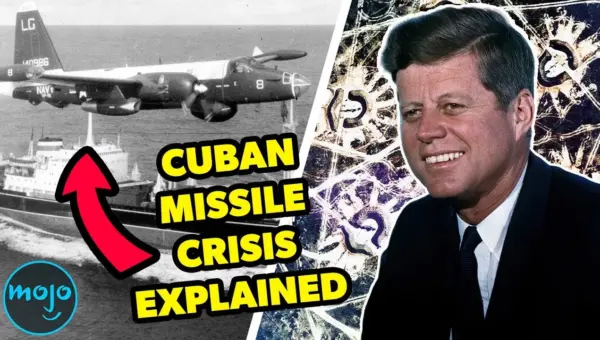
World on Brink: How Cuba Missiles Sparked Nuclear Scare
In October 1962, the world teetered on the brink of nuclear war during the Cuban Missile Crisis. This 13-day standoff between the U.S. and the Soviet Union was sparked by the discovery of Soviet missile sites in Cuba. The crisis tested global diplomacy and brought humanity closer to annihilation than ever before.