US Navy Blasts Hole in Iranian Ship, Seizes Vessel
The U.S. Navy seized the Iranian cargo ship MV Tusca in the Arabian Sea after disabling it with precision fire on April 19th. The operation, involving the USS Spruance and Marines from the 31st MEU, occurred during a six-hour standoff as the ship attempted to bypass a U.S. blockade. Iran has condemned the action as piracy and threatened retaliation.

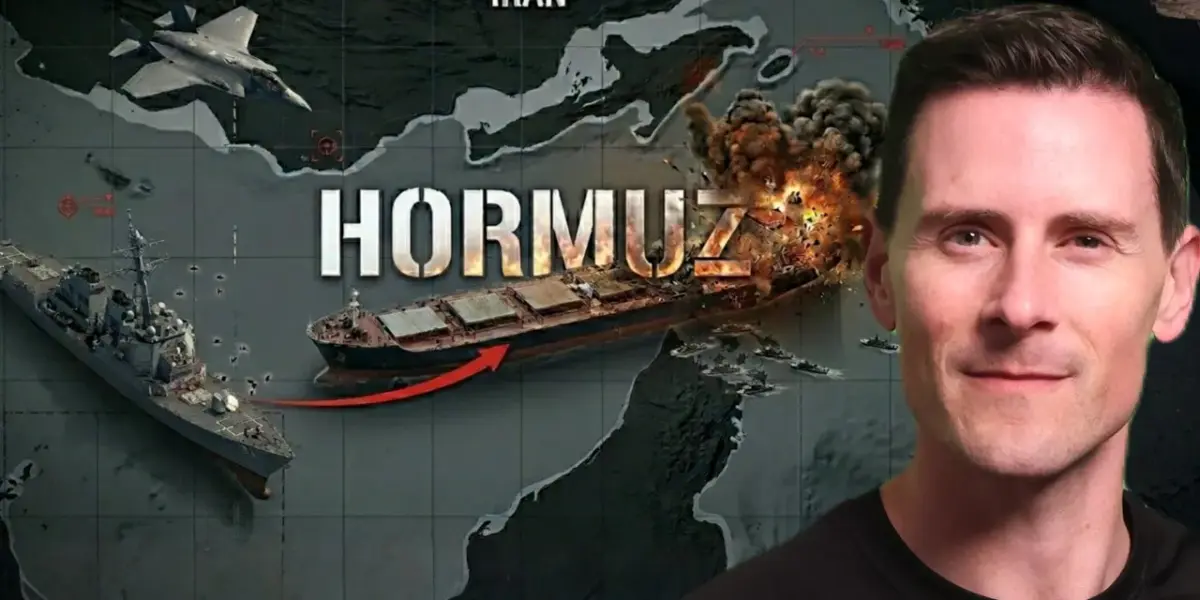
US Navy Blasts Hole in Iranian Ship, Seizes Vessel
In a decisive operation, U.S. naval forces have seized an Iranian cargo ship, the MV Tusca, in the Arabian Sea. The vessel was reportedly attempting to bypass a U.S. naval blockade near the Strait of Hormuz. The incident, which occurred on April 19th, saw the guided-missile destroyer USS Spruance engage the Tusca after it failed to heed repeated warnings.
The standoff lasted for six hours before the USS Spruance fired its 5-inch gun, disabling the ship by striking its engine room. Following the disabling fire, Marines from the 31st Marine Expeditionary Unit, operating from the amphibious assault ship USS Tripoli, conducted a successful boarding and took full control of the vessel. U.S. Central Command released dramatic video footage of the operation.
Iran Claims Piracy, Threatens Retaliation
Iranian officials have vehemently condemned the seizure, labeling it as “piracy” and a violation of international law. Various Iranian entities, including the IRGC and the foreign ministry, issued strong statements promising retaliation. This rhetoric has led Iran to withdraw from upcoming ceasefire talks in Pakistan, signaling a potential escalation in regional tensions.
Iranian officials accused the U.S. of using diplomacy as a cover for aggression and suggested further “bitter defeats” for the U.S. and Israel. Threats were made to target strategic chokepoints, including the Bab el-Mandeb strait, which offers an alternative route to the Strait of Hormuz.
Strategic Context: Enforcing the Blockade
The seizure of the MV Tusca marks the first such interdiction since the U.S. implemented its blockade. This action demonstrates the U.S. Navy’s commitment to enforcing the blockade, which aims to restrict Iran’s revenue from oil exports. The operation highlights the capabilities of U.S. naval power in the region.
The U.S. has stated that the Tusca is under U.S. Treasury sanctions due to its history of illegal activities. The vessel is currently under U.S. custody, with its cargo undergoing inspection. No casualties were reported on either side during the operation.
Military Hardware and Tactics
The operation showcased advanced military hardware and coordinated tactics. The Arleigh Burke-class destroyer USS Spruance, equipped with a 5-inch naval gun, demonstrated precision engagement capabilities. The use of radar-guided rounds to disable the engine room, rather than destroying the entire vessel, minimized collateral damage.
Marines from the 31st MEU utilized helicopters for insertion, a standard practice in amphibious assault operations. Night vision goggles and specialized assault equipment were visible in footage, highlighting the professionalism of the boarding team. This coordinated approach, involving surface ships, air support, and special operations forces, is designed for maximum effectiveness with minimal risk.
Broader Geopolitical Implications
The incident occurs amid heightened tensions in the Middle East. The U.S. naval presence and its assertive enforcement of the blockade are intended to pressure the Iranian regime. The U.S. objective appears to be forcing compliance at the negotiating table without initiating a full-scale conflict.
However, Iran’s withdrawal from talks and its threats of retaliation suggest a potential for further escalation. The situation highlights the complex strategic calculus in the region, where economic pressure is being used as a tool of foreign policy. The effectiveness of such blockades and the potential for miscalculation remain key concerns.
What This Means on the Ground
For Iran, the seizure represents a significant setback and a public display of U.S. resolve. The IRGC’s tough rhetoric may be an attempt to project strength amid perceived limitations. The decision to forgo diplomatic talks signals a potential shift towards a more confrontational stance.
For the U.S., the successful operation reinforces its military dominance in maritime operations. It sends a clear message that violations of the blockade will have immediate and tangible consequences. The incident also highlights the ongoing strategic competition between the two nations in the vital waterways of the Persian Gulf and Arabian Sea.
Historical Parallels
Naval blockades and the seizure of enemy vessels have been a tactic throughout military history, used to cripple an adversary’s economy and war-making capacity. During World War I and II, naval blockades played a key role in strangling the supply lines of Axis powers. The current operation echoes these historical precedents, adapting them to modern naval warfare and geopolitical conditions.
The use of precision-guided munitions to disable specific ship systems, as seen with the USS Spruance’s engagement, represents an evolution of these tactics. This allows for greater control over the escalation of force, aiming to achieve objectives without necessarily sinking the targeted vessel.
Future Outlook
The coming hours and days are likely to be critical in determining the trajectory of the standoff. Iran’s response to the seizure and its cancellation of peace talks suggest a period of heightened tension. The U.S. maintains a layered defense posture, ready to respond to further provocations.
The effectiveness of the U.S. blockade in achieving its strategic goals, and Iran’s capacity to circumvent or retaliate against it, will be closely watched. The situation highlights the ongoing volatility in the region and the potential for further incidents.
Source: Iran’s Mullahs Are In FULL PANIC After U.S. Forces Take Iranian Vessel (YouTube)

Related Articles
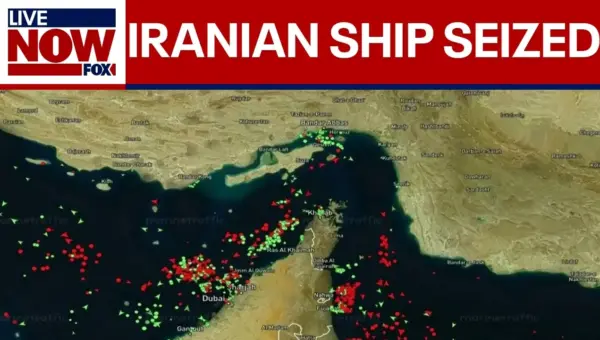
US Seizes Iranian Ship, Escalating Tensions Near Strait of Hormuz
The US Navy seized an Iranian-flagged cargo ship, the Tusca, near the Strait of Hormuz, escalating tensions. Iran has vowed retaliation, casting doubt on a fragile ceasefire. The incident highlights complex maritime law issues and has caused significant market volatility.

Trump’s Iran Gamble: A Risky War Fueled by Distraction?
Tensions with Iran are escalating, with the Strait of Hormuz at risk and diplomatic talks faltering. Analyst Maryanne Williamson suggests the conflict may be a distraction from domestic issues and criticizes the U.S. government's long-standing reliance on military force over diplomacy. The situation raises serious questions about leadership, strategy, and the human cost of war.
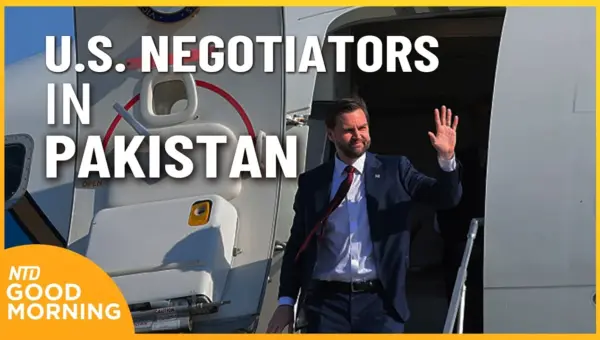
Iran Talks Stall Amid US Ship Seizure, Scientists Vanish
Peace talks between the U.S. and Iran are in jeopardy following the U.S. military's seizure of an Iranian ship. Analysts point to internal divisions within Iran as a major obstacle to any potential deal. The report also covers the concerning trend of missing or deceased scientists and a tragic mass shooting in Louisiana.