28 Days Later: The Undead Rage That Changed Horror
The 2002 film '28 Days Later' redefined the zombie genre with its fast-paced infected and terrifyingly realistic outbreak. This article breaks down the film's inspirations, production, and lasting impact on horror cinema. It explores how real-world fears of disease and the concept of uncontrollable rage fueled the terrifying narrative. Discover the Easter eggs and influences that made this franchise a modern classic.

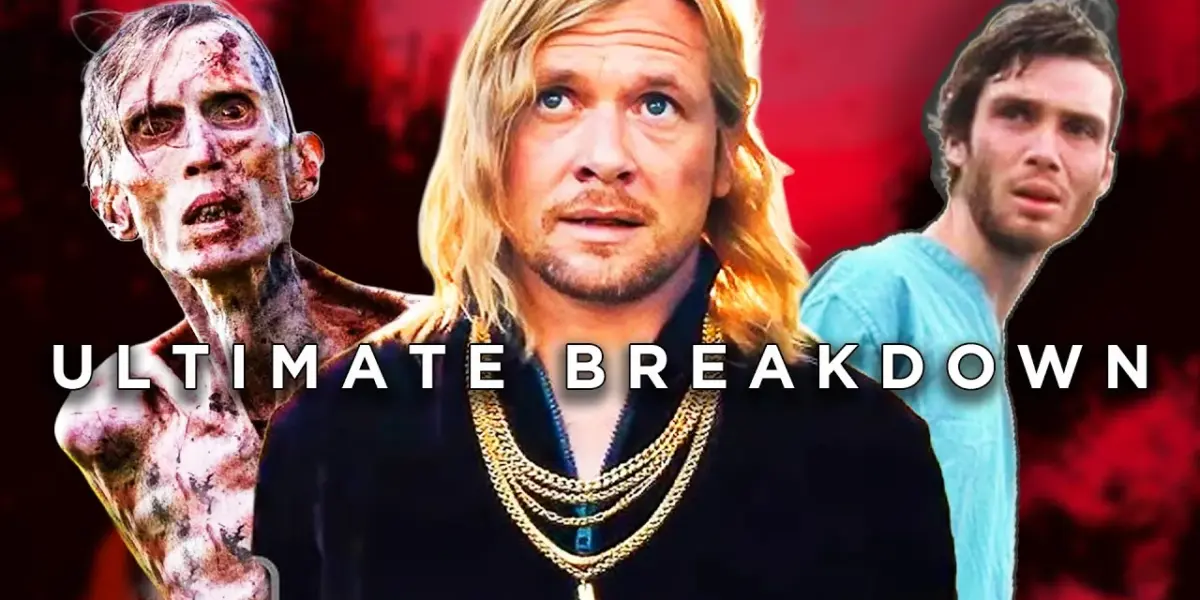
’28 Days Later’ Franchise: A Deep Dive into the Rage
The rage virus. It’s a concept that still sends shivers down spines, even years after it first exploded onto screens. The 28 Days Later series, starting with the original film that hit theaters in 2002, reimagined the zombie genre.
It brought a terrifying speed and ferocity to the infected that was unlike anything seen before. This franchise didn’t just offer a new take; it practically redefined what a modern zombie apocalypse could look and feel like. We’re exploring every corner of this gripping saga, from its intense beginnings to its deeper lore.
From Resident Evil to Rage: The Genesis of a Nightmare
Writer Alex Garland drew inspiration from a surprising mix of sources for 28 Days Later. He was a huge fan of classic zombie films like ‘Dawn of the Dead’ and ‘Day of the Dead.’ However, he felt the genre had become a bit stagnant.
The popular PlayStation game ‘Resident Evil’ also played a role, reminding him of his love for zombie stories. But it wasn’t just the zombies in the game that sparked his imagination; it was the incredibly fast and unpredictable dogs.
Garland joined forces with director Danny Boyle, whom he had previously worked with on ‘The Beach.’ Boyle agreed that the infected needed to be more dynamic. “They’ve got to run,” he insisted, “to be really scary, they can’t just wander, stumble around.” He also felt that traditional zombie tropes, like eating brains, were overused. The goal was to create a monster whose mere presence was terrifying and individual.
Modern Fears Fueling the Infected
The creators wanted the outbreak to feel relevant to contemporary anxieties. While earlier zombie stories often tapped into fears of nuclear weapons and radiation, Garland and Boyle looked at the rise of infectious diseases.
“The threat to us at the moment from infectious diseases is probably as big as it’s ever been,” Boyle noted. They decided to use the term ‘zombie’ as a catchphrase, but technically, the creatures are infected.
The film’s focus on a viral outbreak resonated with real-world concerns like Mad Cow Disease, Foot and Mouth, SARS, and Ebola. Ebola, being transmissible through blood and affecting primates (including humans), provided a solid basis for the virus’s effects.
The distinctive biohazard symbol used in marketing further emphasized the bloodborne nature of the threat. Even the title, ’28 Days Later,’ hints at the peak of immunity after contracting a virus, a concept explored within the film’s narrative.
Echoes of Horror Classics
While 28 Days Later forged its own path, it also paid homage to genre predecessors. The protagonist, Jim, waking up alone in an abandoned hospital, mirrors openings seen in films like ’28 Days Later’ and ‘The Omega Man.’ The initial sense of being the last person on Earth is a powerful narrative device. The journey through a deserted London, encountering remnants of civilization and other survivors, also echoes classic post-apocalyptic tales like ‘The Omega Man’ and even touches on themes found in ‘Dawn of the Dead’ with its abandoned shopping mall scenes.
The film’s visual style was heavily influenced by the use of early digital cameras like the Canon XL1. This allowed for a grittier, almost handheld feel that immersed the audience in the chaos. Boyle described it as “magnificent for your city movie really,” giving the film a raw, immediate quality.
This was a deliberate choice to reflect the constant surveillance and recording of modern life. However, for its final act, the filmmakers switched to 35mm film to signify a shift towards hope and a more cinematic scope.
The Rage Virus: More Than Just Infection
The core of the 28 Days Later’s terror lies in the ‘Rage’ virus itself. Garland saw rage as a universal human emotion that, when amplified to an uncontrollable extreme, leads to devastating aggression.
“Imagine yourself in your worst moment of road rage and multiply it by a million,” he described. The film explores whether this extreme rage is a modern affliction or an inherent part of human nature, merely brought to the surface by the virus.
This concept is powerfully demonstrated in the film’s climax. Jim, initially a survivor, begins to embody the very rage he fears, becoming a brutal, silent killer.
This transformation blurs the lines between human and infected, highlighting the psychological toll of the apocalypse. Even Selena, a hardened survivor, momentarily mistakes him for one of the infected, highlighting the terrifying ambiguity.
Casting and Production Challenges
Getting 28 Days Later made wasn’t easy. Despite securing funding from the National Lottery, Universal Pictures initially hesitated. Actor Christopher Eccleston even took a last-minute pay cut to help push the film into production.
Cillian Murphy, who ultimately delivered a standout performance as Jim, wasn’t the first choice. Ewan McGregor was initially considered, but scheduling conflicts and a falling out with Boyle (which has since been resolved) led to his departure from the project. Ryan Gosling was also considered before Murphy, an Irish actor not yet widely known in the UK, was cast.
The film’s striking opening sequence, depicting the virus’s outbreak, was inspired by footage from Sierra Leone and the general sense of civil unrest. The filmmakers debated using real footage of violence but decided against it. Instead, they opted for staged scenes that conveyed the horror without exploiting real tragedy.
This opening, set to the driving music of Godspeed You! Black Emperor, immediately sets a tone of dread and urgency.
The Franchise Continues: Beyond the First Outbreak
The success of 28 Days Later led to a sequel, ’28 Weeks Later,’ released in 2007. This film expanded the scope of the pandemic, showing the virus spreading internationally and the efforts to reclaim London.
While the original focused on individual survival and the raw horror of infection, the sequel explored themes of government control, military response, and the long-term consequences of a global outbreak. The franchise has also been explored in comic books, further fleshing out the backstory and aftermath of the rage virus.
The 28 Days Later series remains a benchmark in modern horror. Its blend of visceral action, psychological depth, and timely themes continues to resonate with audiences. The idea of the infected, driven by pure rage, is a potent metaphor for the darker aspects of humanity.
The franchise’s impact on subsequent zombie media is undeniable, solidifying its place as a landmark in the genre. The possibility of future installments, like the rumored ’28 Months Later,’ keeps fans on the edge of their seats, wondering when the rage might strike again.
Source: 28 Days Later Franchise Ultimate Breakdown | Every Easter Egg in Days to Bone Temple (YouTube)

Related Articles

Night of the Living Dead: Horror’s Reign Begins
George A. Romero's 1968 masterpiece, Night of the Living Dead, didn't just redefine the zombie genre; it invented the modern undead. Made on a shoestring budget and famously falling into public domain, this independent film remains a cornerstone of horror cinema.


Stars Wronged: Celebrities Who Deserve a Public Apology
From Princess Diana's relentless pursuit to Britney Spears's conservatorship battle, a new video highlights ten celebrities who faced unfair judgment and public scorn. The stars endured ridicule, exploitation, and career setbacks, with many now receiving belated acknowledgment for the harsh treatment they endured.


Near Misses: Disasters That Almost Ended the World
From a solar storm missing Earth by days to the Cuban Missile Crisis bringing the world to the brink of nuclear war, history is filled with terrifying near-misses. This look back reveals how close humanity has come to devastating, world-altering disasters.