Pentagon’s UAP Secrecy Fuels Public Distrust, Experts Say
Investigative journalist Ross Coulthart expresses deep skepticism about the Pentagon's role in UAP disclosure. He argues that decades of alleged cover-ups by the military and intelligence agencies mean they cannot be trusted to reveal the truth. Lawmakers' optimism about disclosure faces an uphill battle against public distrust.

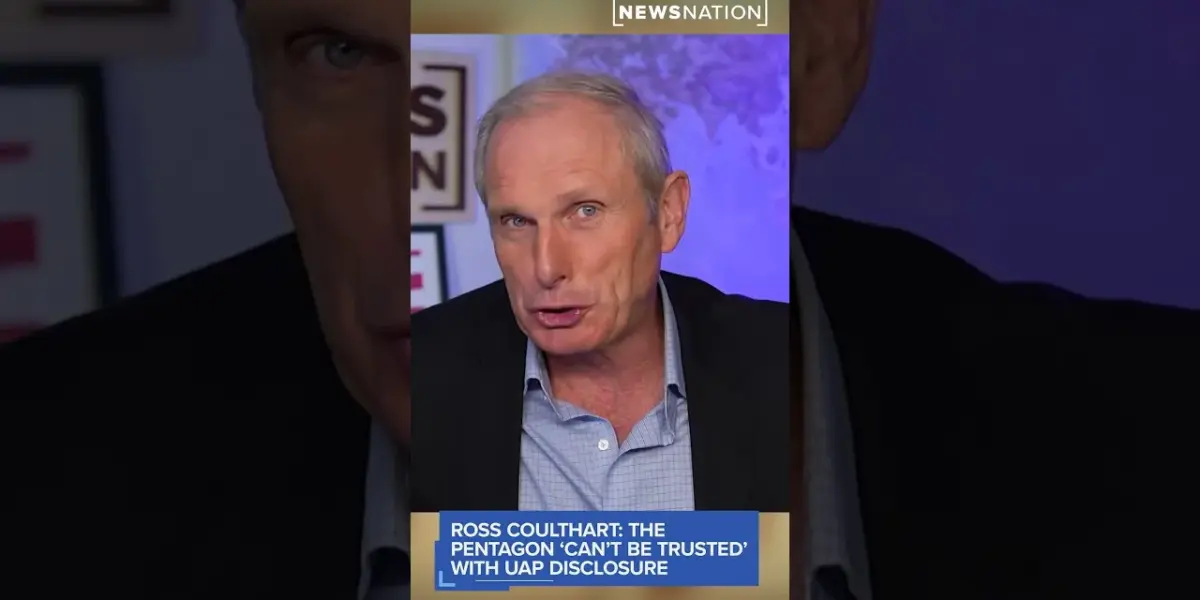
Pentagon’s UAP Secrecy Fuels Public Distrust, Experts Say
For decades, the public has been told little about Unidentified Aerial Phenomena (UAP), often called UFOs. Now, some lawmakers believe we are on the verge of disclosure, with the president expected to follow through on promises. However, a growing number of voices, including investigative journalist Ross Coulthart, urge deep skepticism about the government’s intentions.
Coulthart argues that the public has every right to doubt official narratives. This distrust stems from the Pentagon’s long history of involvement in UAP matters. He believes the military and certain intelligence agencies have actively worked to hide information for over 80 years.
A History of Secrecy
The idea that governments might be hiding information about UAP is not new. Since the mid-20th century, reports of strange objects in the sky have captured public imagination and scientific curiosity. Early government investigations, like Project Blue Book, often concluded that sightings had mundane explanations, though some cases remained unexplained.
Critics, however, point to a pattern of what they describe as obfuscation and denial. They suggest that instead of open investigation, there has been a deliberate effort to suppress evidence and discredit witnesses. This alleged cover-up, spanning decades, has bred a deep-seated suspicion among those who believe the truth is being withheld.
Why Trust is Broken
Coulthart’s central argument is straightforward: the Pentagon cannot be trusted with the decision-making process for UAP disclosure. He states that the very institutions accused of perpetuating secrecy are now being asked to lead the unveiling of truth. This creates a fundamental conflict of interest.
He believes that the Pentagon, along with parts of the intelligence community, has been responsible for what he calls a “sorted, unconstitutional, illegal cover-up.” This strong language suggests a belief that the secrecy has not only been about national security but also about hiding potentially illegal activities or information that would challenge established power structures.
The Call for True Transparency
While some politicians like Tim Burchett, Tulsi Gabbard, and Anna Paulina Luna express optimism about impending disclosure, Coulthart warns against premature celebration. He implies that any information released under the Pentagon’s control might be carefully curated or incomplete.
The core issue, according to this perspective, is that the Pentagon should not be the gatekeeper of UAP information. True disclosure, advocates argue, would require an independent body, free from the historical baggage and alleged complicity of the defense and intelligence sectors. This would allow for a more objective and honest presentation of facts.
Implications and the Future
The ongoing debate over UAP disclosure highlights a broader societal tension. It touches on issues of government transparency, public trust, and the potential for discoveries that could fundamentally alter our understanding of the world. If governments have indeed hidden evidence of advanced technology or non-human intelligence, the implications are vast.
The future of UAP disclosure likely depends on continued public pressure and the willingness of government bodies to engage in genuine transparency. As more information emerges and more public figures speak out, the demand for answers will only grow stronger. The coming months and years will be critical in determining whether the public’s skepticism is validated or allayed.
Lawmakers are expected to continue pushing for greater access to information and more open dialogue on the UAP topic in the near future.
Source: Ross Coulthart: The Pentagon 'can’t be trusted’ with UAP disclosure (YouTube)

Related Articles
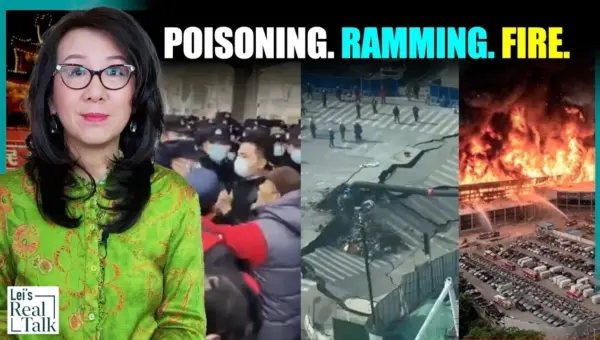
China’s Social Fabric Tears Under Strain
Recent events in China reveal a society under immense strain, marked by violent incidents, infrastructure failures, and growing public distrust. As economic hardship and government overreach increase, citizens are moving from quiet suffering to open defiance, challenging the regime's legitimacy.

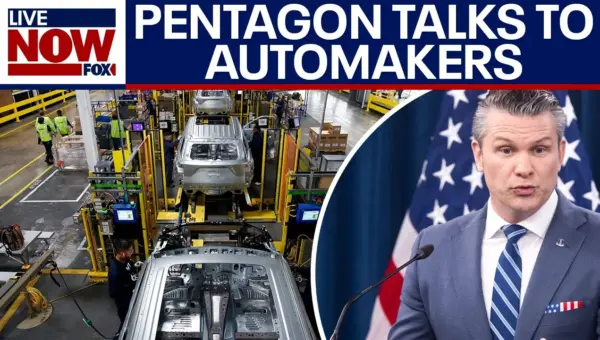
Auto Giants May Build Weapons in WWII-Style Production Push
The Pentagon is reportedly in talks with Ford and GM about repurposing auto factories for weapons production, echoing a World War II-style mobilization. This move aims to address dwindling military stockpiles amid ongoing global conflicts, though complex supply chains and workforce needs present significant challenges.

Pentagon Barred Trump Due to “Volatile” Behavior
Top Pentagon officials reportedly excluded then-President Donald Trump from a critical briefing after Iran shot down a U.S. drone due to concerns about his "volatile" behavior. Aides feared his impatience would disrupt necessary planning, opting instead to update him at key moments.