Strait of Hormuz Closure Threatens Global Energy Supply
The Strait of Hormuz faces a critical disruption following attacks on ships and a U.S. boarding of an Iranian tanker. The IEA warns energy output could take two years to restore, potentially impacting global markets.


Global Energy Crisis Looms as Strait of Hormuz Faces Closure
The vital Strait of Hormuz, a narrow waterway crucial for global oil transport, is facing a severe disruption. Recent attacks on three ships and the forced turn-around of 30 others attempting passage have created significant concern. The situation escalated further when the U.S. boarded an Iranian tanker near the Persian Gulf, effectively signaling a de facto closure of this critical chokepoint.
The International Energy Agency (IEA) has issued a stark warning about the potential fallout. The agency estimates it could take up to two years to recover energy production lost due to the conflict in the region. This prolonged disruption could severely impact global energy markets, which may be underestimating the full consequences of a sustained closure of the Strait of Hormuz.
This event highlights how deeply integrated the Gulf Arab states, including Saudi Arabia, are with the global economy. Their role in energy supply was perhaps more critical and widespread than previously understood before the recent conflict began. The disruption is not just a regional issue but a global economic concern.
Market Impact: What Investors Should Know
The Strait of Hormuz handles roughly 20% of global oil consumption, making any disruption here a major event for energy prices and the broader economy. If the strait remains closed for an extended period, we could see significant spikes in oil and natural gas prices. This would likely lead to higher inflation worldwide, affecting everything from transportation costs to the price of goods.
The IEA’s projection of a two-year recovery period suggests that the market may not be fully pricing in the severity of this potential crisis. Investors should consider how the energy sector and related industries might be affected. Companies involved in oil and gas production, shipping, and refining could see their operations and stock prices impacted by supply chain disruptions and price volatility.
The increased integration of Gulf states into the global economy means that a prolonged closure could have ripple effects far beyond the energy sector. Manufacturing, transportation, and even consumer spending could face headwinds as energy costs rise. This situation demands close monitoring by investors looking to understand the evolving global economic picture.
Long-Term Implications
A sustained closure of the Strait of Hormuz could accelerate the global transition towards renewable energy sources. As fossil fuel supplies become less reliable and more expensive, countries and companies may increase investments in alternative energy. This could create new opportunities in the green technology sector.
Such a crisis might prompt nations to diversify their energy sources and transportation routes. This could involve developing new pipelines, increasing reliance on liquefied natural gas (LNG) terminals, or exploring alternative shipping lanes. Such strategic shifts would have long-term consequences for global trade and energy infrastructure development.
The current events serve as a significant reminder of the geopolitical risks inherent in global energy markets. Understanding these risks is crucial for long-term investment strategies. The focus is now on de-escalation and finding a resolution to ensure the free flow of energy through this critical waterway.
The situation remains fluid, with ongoing diplomatic efforts and military posturing in the region. Investors will be watching closely for any signs of de-escalation or further escalation that could impact global energy supplies and prices.
Source: Strait of Hormuz CLOSED: Global energy CRISIS looms #shorts (YouTube)

Related Articles

Trump Threatens Iran: “Blow Up Every Power Plant”
President Trump has issued a stark warning to Iran, threatening to "blow up every power plant and bridge" if a deal is not signed amid a naval blockade. This comes as U.S. forces intercepted an Iranian cargo ship, escalating regional tensions. Despite this, a strong earnings outlook for the oil sector provides a contrasting positive economic signal.

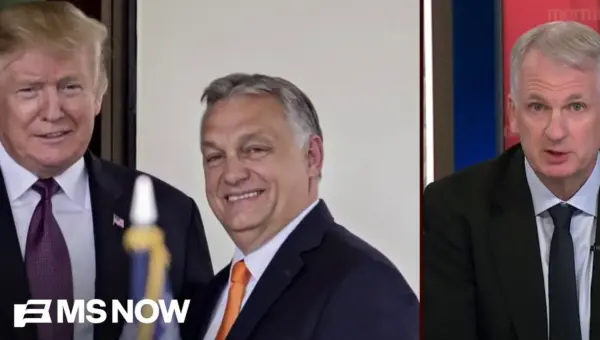
Historian: Orbán Linked Putin and Trump, Weakening Democracy
Historian Timothy Snyder warns that Viktor Orbán has played a key role in connecting Vladimir Putin and Donald Trump, strengthening international right-wing networks. Snyder criticizes Trump's rhetoric and argues that the U.S. is losing its moral standing on the world stage. He points to the recent Hungarian election as a potential model for combating corruption and defending democracy, but stresses the need for continuous citizen engagement.

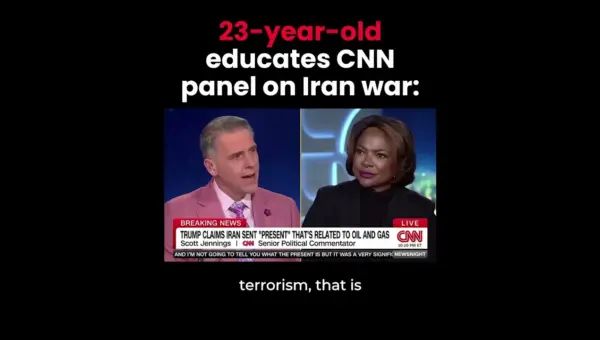
Did We Win? The Confusing Reality of US Mideast Policy
President Trump claims victory over Iran, but military deployments and regional changes suggest otherwise. Analysts highlight a gap between official statements and the complex reality on the ground. The situation raises serious questions about the costs and true outcomes of U.S. involvement in the Middle East.