American Dream Fades: Only 38% Believe It Exists for All
New polling reveals a significant decline in belief in the American Dream, with only 38% of Americans feeling it exists for everyone. Soaring education costs and widening wealth inequality are cited as major reasons for this disillusionment, leading to widespread frustration and a questioning of societal fairness.

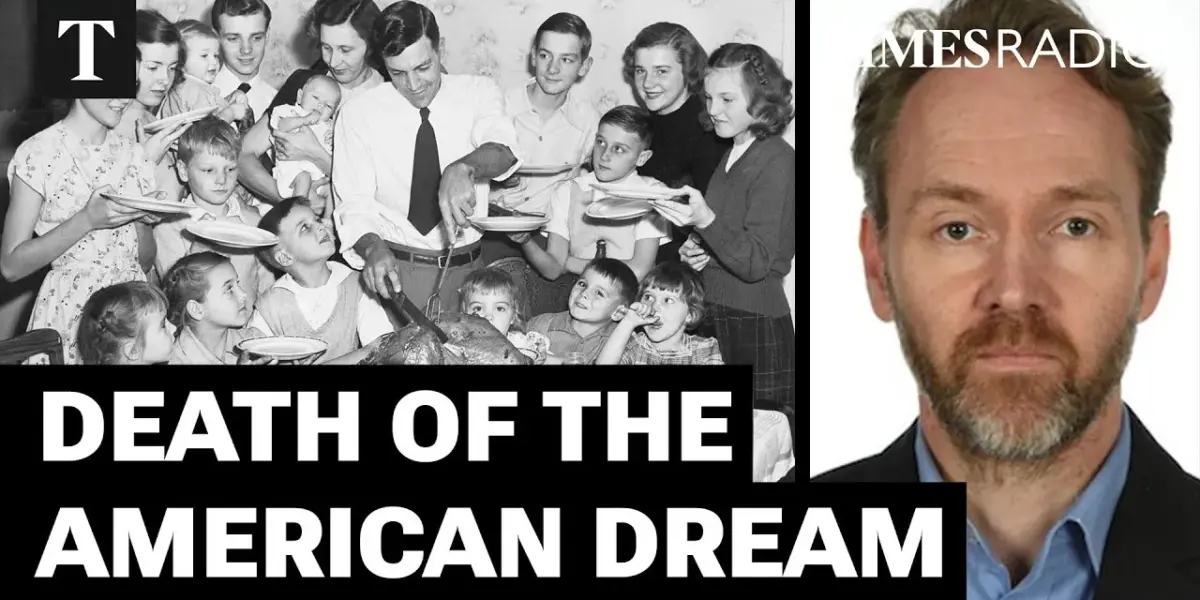
American Dream Struggles as Optimism Dwindles
As the United States approaches its 250th anniversary, new polling reveals a significant decline in belief in the traditional “American Dream.” A recent survey commissioned by The Times found that only 38% of Americans believe the dream of opportunity and upward mobility truly exists for everyone in society. This marks a stark contrast to past generations, where belief in this foundational American ideal was far more widespread.
The concept of the American Dream, promising a life of prosperity and happiness through hard work, has long attracted people from around the globe. However, the poll indicates that nearly half of all Americans surveyed no longer believe in this ideal as strongly as they once did. Many feel the dream is less attainable now than when they were growing up, with 59% expressing this sentiment.
Economic Realities Undermine Aspiration
Experts suggest that economic factors are a primary driver behind this shift in public perception. The cost of higher education, a traditional stepping stone to a better life, has soared dramatically.
Since 1980, the price of private university tuition has increased tenfold, from about $4,000 per year to roughly $40,000 annually. Top-tier institutions now have sticker prices exceeding $90,000 per year.
This steep rise in educational costs has led to a significant drop in the perceived value of a college degree. In 1980, about half of Americans believed college was essential for advancement. Today, that number has fallen to just 23%, indicating a crisis in confidence regarding university education’s role in achieving the American Dream.
Wealth Inequality Fuels Frustration
Beyond education costs, the widening gap between the wealthy and the rest of the population is a major concern. While the U.S. boasts the largest Gross Domestic Product among developed nations, wealth has increasingly concentrated in the hands of a select few. The top 1% of households now control 32% of all American wealth.
This economic disparity is reflected in stagnant wages for many. For male workers, real wages have not seen significant increases since the 1970s, even after accounting for inflation. This lack of economic progress for the average worker fuels a sense that the system is not fair, with over half of Americans stating that society is less fair now than when they were children.
A Shift Towards Anger and Disillusionment
The erosion of faith in the American Dream is leading to widespread frustration. While Americans may not align with European social systems, they are increasingly questioning the fairness of their own society. Only 11% of those polled believe society has become more fair over time, highlighting a deep sense of disillusionment.
This widespread dissatisfaction raises questions about the nation’s future outlook. If the promise of opportunity is no longer widely believed, what will define the American identity? The current sentiment suggests a move away from optimism towards a more critical and perhaps angry populace, struggling to reconcile the nation’s ideals with lived realities.
Looking Ahead
As the U.S. prepares to celebrate its semiquincentennial, the findings of this poll present a significant challenge to its self-image. The gap between the ideal of the American Dream and the everyday experiences of its citizens is widening. Future discussions will likely focus on policy changes aimed at addressing economic inequality and restoring faith in the nation’s promise of opportunity for all.
The full polling data and analysis are available in The Times. The survey offers a critical snapshot of American sentiment as the nation stands at a key moment in its history.
Source: Just 38 Per Cent Of Americans Believe In The American Dream | David Charter (YouTube)

Related Articles

Trump’s Power Grabs: Allegations of Abuse Surface
Allegations surfaced during a live debate suggesting former President Trump abused his power by subverting Congress and appointing loyalists to key positions. The discussion focused on whether Trump directed legal actions against specific individuals, raising concerns about the weaponization of the justice system and the integrity of democratic institutions.

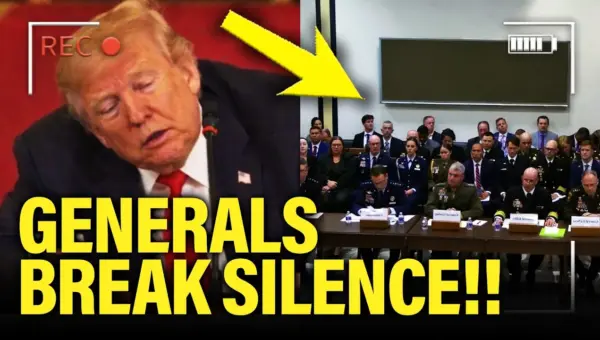
Generals Warn Trump’s Behavior Threatens National Security
Top military leaders are reportedly warning that Donald Trump's erratic behavior and temperament pose a threat to national security. Leaked information suggests concerns over his decision-making, leading to him being excluded from critical mission briefings. This comes amid reports of low morale and broader issues within the U.S. military.


Clarence Thomas Blames Intellectuals for America’s Problems
Supreme Court Justice Clarence Thomas has voiced strong criticism of intellectuals and universities, blaming them for America's problems. He argued that learning and higher education have caused founding values to be lost. This perspective draws parallels to historical political strategies that have attacked intellectualism.