AI Leaders Grapple With ‘What to Work On’ Dilemma
Leading figures in artificial intelligence, including OpenAI CEO Sam Altman, admit to spending significant time strategizing the best applications for AI. This focus on 'what to work on' highlights a critical challenge in the fast-paced AI sector: identifying and pursuing the most valuable opportunities amidst numerous possibilities.


AI Innovators Focus on Strategic Direction
Even those at the forefront of artificial intelligence, like OpenAI CEO Sam Altman, spend considerable time pondering the most impactful path forward. The core question isn’t just about building advanced AI, but about deciding where and how to apply this powerful technology for maximum benefit. This internal debate highlights a critical challenge in the fast-moving AI field: identifying the most valuable opportunities.
The intense focus on choosing the right projects and industries stems from the belief that strategic direction can be more valuable than sheer execution. While hard work is essential, being in the right place at the right time, with the right focus, can amplify success significantly. This means constantly evaluating potential growth areas, whether in media, software development, or entirely new ventures.
Defining the ‘Right’ Opportunity in AI
The AI industry is brimming with possibilities, making it difficult to pinpoint the most promising avenues for innovation and investment. Professionals in the field often wrestle with questions about whether to deepen their involvement in existing areas like media or software, or to explore entirely new domains. The sheer number of variables and the often non-obvious nature of emerging opportunities create a complex decision-making process.
This uncertainty is not unique to newcomers; even seasoned leaders grapple with these choices. The advice to constantly assess one’s work and explore bigger opportunities is a recurring theme among those shaping the future of AI. It suggests that strategic thinking is as crucial as technical skill in this rapidly evolving sector.
Why This Matters
The constant evaluation of strategic direction by AI leaders has direct implications for everyone. The decisions made today about where to focus AI development will shape the tools, services, and industries of tomorrow. If AI experts are questioning their focus, it highlights the importance for businesses and individuals to understand where AI is headed and how it might affect them.
This internal deliberation among AI pioneers means that the direction of AI progress isn’t fixed. It’s actively being shaped by thoughtful consideration of where the greatest opportunities lie. Understanding this process helps demystify AI development and highlights the importance of strategic planning in technological advancement.
The Challenge of Execution vs. Strategy
While building and deploying AI requires significant effort and technical skill, the foundational decision of *what* to build often takes precedence. This distinction is crucial. For instance, a programmer might be incredibly skilled at writing code, but if they are working on a product nobody needs, their execution won’t lead to significant impact.
Conversely, someone with a less advanced technical background but a keen understanding of a market need could potentially achieve greater success by focusing their efforts. This is why leaders like Sam Altman emphasize the value of thinking about what to work on, suggesting that identifying the right problem or opportunity is a high-leverage activity.
Future Outlook
The continuous introspection within the AI community suggests a dynamic future. Companies and individuals will need to remain adaptable, ready to shift focus as new opportunities become clear. The AI field is unlikely to settle into predictable patterns quickly, requiring ongoing strategic assessment.
As AI continues to advance, the emphasis on strategic thinking will likely grow. The ability to identify and pursue the most impactful applications of AI will be a key differentiator for success in the coming years. This ongoing dialogue about purpose and direction is a fundamental part of AI’s evolution.
Source: How do “normal” people live? (YouTube)

Related Articles


Warsh’s Wealth Could Make Him Richest Fed Chair Ever
Kevin Warsh, a potential nominee for Federal Reserve Chair, possesses significant financial wealth that could make him the richest person to ever hold the post. His views on artificial intelligence suggest a potential push for lower interest rates. However, his vast investments may create complex divestment challenges if appointed.

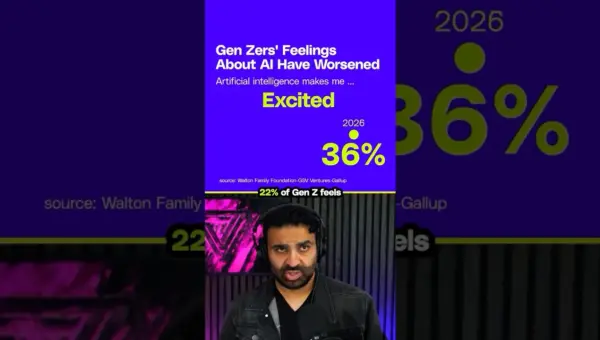
Gen Z’s AI Enthusiasm Dips Sharply
New data shows Gen Z's excitement for AI has sharply declined, with anxiety and anger on the rise. This contrasts with AI experts' high optimism about the technology's impact on jobs. Bridging this perception gap is crucial for AI's future.

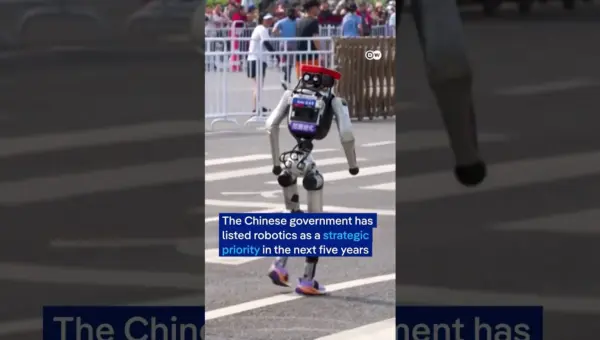
Robot Smashes Half Marathon Record, Outpacing Humans
A humanoid robot has dramatically broken the human record for completing a half marathon, finishing over six minutes faster than the previous best. This achievement underscores the rapid advancements in robotics, particularly in China, and signals a new era of human-robot capabilities.