US Seizes Iranian Ship, Escalating Tensions Near Strait of Hormuz
The US Navy seized an Iranian-flagged cargo ship, the Tusca, near the Strait of Hormuz, escalating tensions. Iran has vowed retaliation, casting doubt on a fragile ceasefire. The incident highlights complex maritime law issues and has caused significant market volatility.

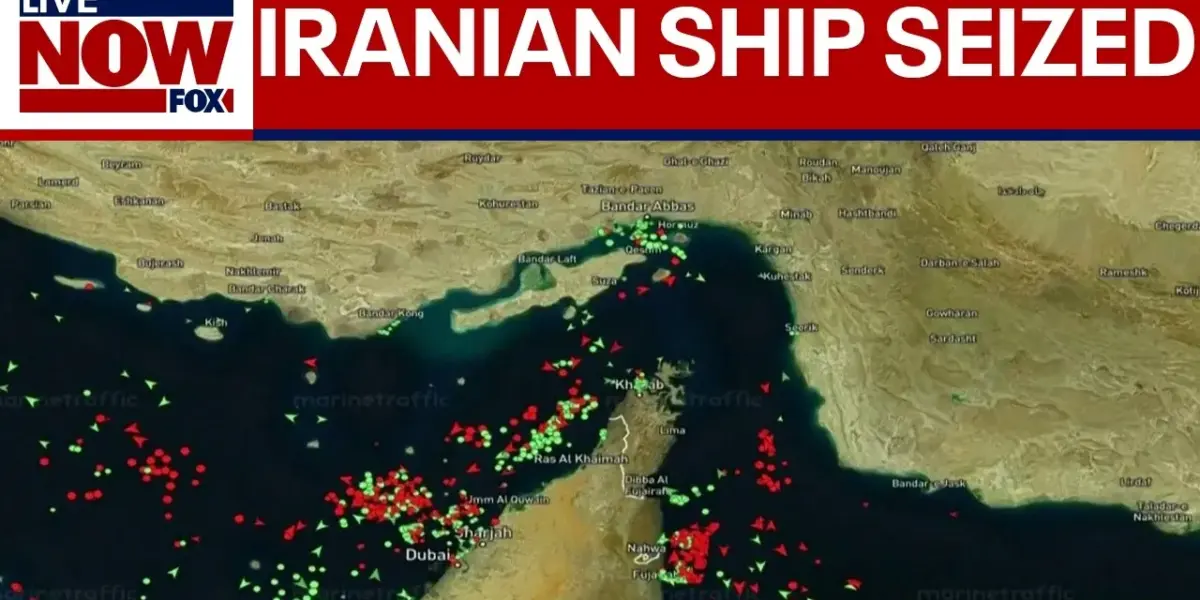
US Navy Intercepts Iranian Cargo Ship
The United States Navy has seized an Iranian-flagged cargo ship, the Tusca, near the Strait of Hormuz. The US military stated the vessel attempted to evade a naval blockade.
This incident marks the first such interception since the US blockade of Iranian ports began last week. Iran’s Joint Military Command has vowed a swift response, raising concerns about a fragile ceasefire set to expire this Wednesday.
A Tense Standoff in the Gulf
The confrontation occurred in the Gulf of Oman as the Tusca was sailing toward Iran’s Bandar Abbas port. According to reports, the US Navy destroyer USS Spur issued warnings for six hours, but the Iranian crew did not comply.
The US forces then fired three shots from a 5-inch gun, disabling the ship’s propulsion system. US Marines subsequently boarded and took control of the vessel.
“Today, an Iranian flagged cargo ship named Tusca, nearly 900 ft long and weighing almost as much as an aircraft carrier, tried to get past our neighbor blockade, and it did not go well for them. The US Navy guided missile destroyer USS Spur intercepted the Tusca in the Gulf of Oman and gave them fair warning to stop. The Iranian crew refused to listen, so our neighbor ship stopped them right in their tracks by blowing a hole in the engine room.”
– President Trump, via social media
Maritime Law and Blockades
Experts suggest the US action, while escalatory, may have complied with international maritime law. A naval blockade is considered a significant escalation, potentially an act of war under international law.
However, the US argues it is enforcing a blockade to prevent weapons from reaching Iran, citing conflict with the nation. The US Navy stated they followed international rules of naval warfare by issuing extensive warnings and announcing their intentions before disabling the ship.
Conversely, Iran’s actions, such as attacking third-party ships in the Strait, are viewed as illegal under international law. These attacks lacked proper radio communication or warnings, violating the right of transit passage for other nations.
Conflicting Signals and Market Volatility
The seizure comes amid a confusing information environment, with conflicting messages from Iranian officials. While the Iranian foreign minister suggested a diplomatic path was on track, rival factions within Iran’s military may have been responsible for aggressive actions. This internal division complicates the situation and impacts international perceptions.
The incident has caused significant market volatility. Oil prices initially jumped more than 5% following the news.
However, prices remain lower than earlier in the week, reflecting the ongoing uncertainty and the market’s reaction to fluctuating news. The economic consequences of disruptions in the Strait of Hormuz, a key route for oil and natural gas, could be severe, particularly for Asia and Europe.
Shipping Companies Face Difficult Decisions
Commercial shipping companies are in a precarious position. While they need to transport goods, the risk of disabled ships, damaged cargo, or harm to crews is substantial. Many have adopted a cautious “wait and see” approach, leading to a record low in ship transits through the Strait over the weekend.
The situation is further complicated by the impending expiry of a 10-day ceasefire. The upcoming days are crucial for determining whether negotiations will proceed or if tensions will escalate further, potentially leading to military action. The use of social media by world leaders to announce actions and issue threats adds another layer of complexity, directly influencing market reactions and public perception.
Looking Ahead
With peace talks between the US and Iran potentially happening in Pakistan, the coming days are critical. The outcome of these discussions, coupled with the expiration of the current ceasefire, will likely dictate the next steps in this volatile standoff. The world watches to see if diplomacy can prevail or if further military action will follow.
Source: Iran vows swift response after US seizes vessel (YouTube)

Related Articles
Trump’s Iran Gamble: A Risky War Fueled by Distraction?
Tensions with Iran are escalating, with the Strait of Hormuz at risk and diplomatic talks faltering. Analyst Maryanne Williamson suggests the conflict may be a distraction from domestic issues and criticizes the U.S. government's long-standing reliance on military force over diplomacy. The situation raises serious questions about leadership, strategy, and the human cost of war.
Iran Talks Stall Amid US Ship Seizure, Scientists Vanish
Peace talks between the U.S. and Iran are in jeopardy following the U.S. military's seizure of an Iranian ship. Analysts point to internal divisions within Iran as a major obstacle to any potential deal. The report also covers the concerning trend of missing or deceased scientists and a tragic mass shooting in Louisiana.


Strait of Hormuz Closure Threatens Global Energy Supply
The Strait of Hormuz faces a critical disruption following attacks on ships and a U.S. boarding of an Iranian tanker. The IEA warns energy output could take two years to restore, potentially impacting global markets.