Trump’s Strait of Hormuz Blockade Faces Criticism
President Trump's blockade of the Strait of Hormuz is facing international criticism and appears ineffective, as Iran uses a 'shadow fleet' to bypass restrictions. Allies are urging a return to negotiations amid concerns of escalation and stalled nuclear talks.

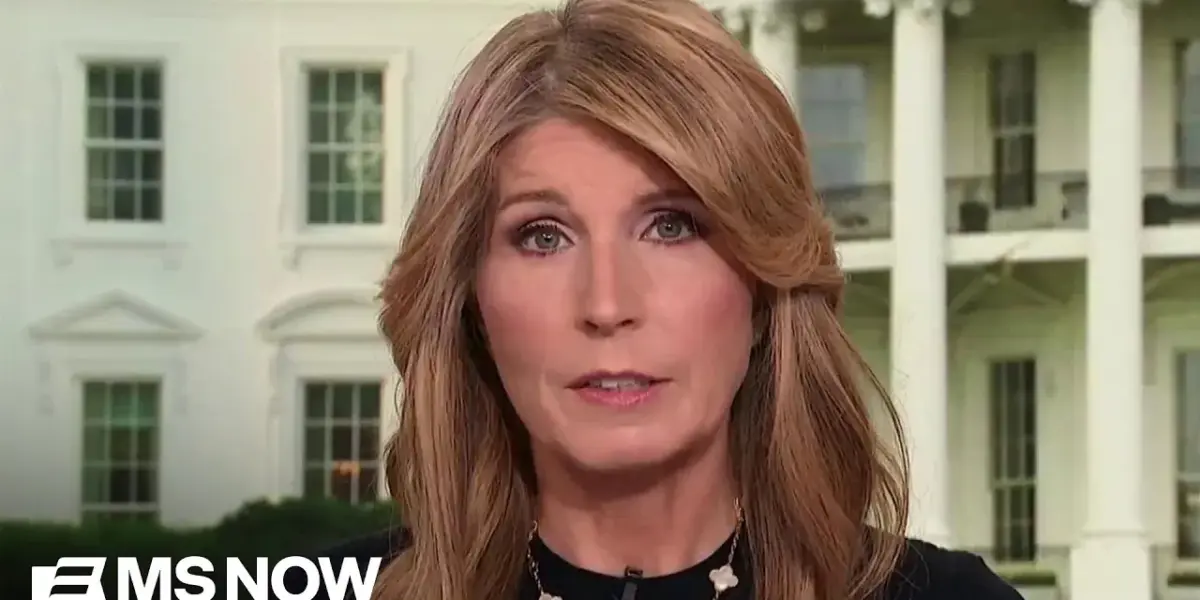
Global Allies Urge US to Reconsider Iran Strategy
In a move that has sparked international concern, President Donald Trump has implemented a blockade of the Strait of Hormuz, aiming to pressure Iran economically and diplomatically. However, the strategy is already facing significant pushback from key allies and appears to be failing in its stated objectives, according to recent reports.
Saudi Arabia Seeks Diplomatic Solution
Arab officials, including those from Saudi Arabia, are reportedly urging the United States to abandon the blockade and return to the negotiating table. These nations fear that closing off this vital shipping lane could provoke Iran into escalating its actions, potentially disrupting other critical trade routes.
The Wall Street Journal reports that Iran is circumventing the blockade using a “shadow fleet” of ships. These vessels employ various methods to avoid detection, meaning the blockade is not effectively preventing Iran from crossing the Strait of Hormuz.
Nuclear Negotiations Stall Amidst Tensions
Adding to the complex situation, negotiations over Iran’s nuclear program have shown little progress. A senior administration official revealed that Iran rejected a 20-year proposal from the U.S. to suspend all nuclear activity. Instead, Iran offered a three-year plan, similar to a proposal made before the current tensions escalated.
Expert Concerns Over Diplomacy and Escalation
Wendy Sherman, former deputy secretary of state and lead negotiator for the 2015 Iran nuclear deal, expressed deep concerns. She highlighted two main worries: first, that the Trump administration is not fully committed to reaching a deal, which requires dedicated effort and expert involvement. Second, she fears the blockade could backfire.
“If this goes on for a while, Iran will feel it has to take some action, rather than just suffering more economic harm, which was Trump’s intention here,” Sherman stated. “And if Iran feels like it’s getting too tough, they will attack our allies and partners. They will get the Houthis, to close down the port in the Red Sea. That’s what the Saudis are worried about.”
Sherman also pointed to the rise of hard-liners within Iran’s Islamic Revolutionary Guard Corps. This shift in power, she warned, could lead Iran to pursue nuclear weapons as a deterrent, potentially triggering a wider proliferation crisis.
Rhetoric and Global Standing
The article also touches on the impact of President Trump’s public statements, including threats to “annihilate their civilization.” Sherman noted that such rhetoric alienates not only Iran’s population, many of whom value their rich history, but also international allies.
The world, she explained, is uncertain about how to respond to America’s current approach. Allies were reportedly not consulted on the blockade and were later criticized for not offering support. This has led European allies and China to pursue their own independent courses.
Economic Repercussions and Political Motivations
The blockade’s impact on global markets and the U.S. economy is a significant concern. The disruption to oil supplies affects not only international consumers but also American taxpayers, who bear the cost of fluctuating oil prices. This economic instability, along with concerns about defense capabilities and the upcoming midterm elections, appears to be the primary focus for President Trump.
Sherman suggested that the administration’s actions might be driven by a combination of factors: “munitions” (defense costs and conflict preparedness), “markets” (stock market performance), and “midterms” (political advantage). She concluded that President Trump operates outside the established international order, leaving the world to adapt to his unconventional approach.
Looking Ahead
As the situation unfolds, key questions remain about the effectiveness of the blockade, the future of nuclear negotiations, and the broader implications for global stability. The international community will be watching closely to see if diplomatic channels can be reopened and if a more collaborative approach can be adopted to de-escalate tensions with Iran.
Source: ‘Donald Trump decided to GAMBLE’: Nicolle reacts to Trump’s TROUBLING Strait of Hormuz blockade (YouTube)

Related Articles

Oil Prices Surge to $91 Amid Geopolitical Tensions
Oil prices have surged to $91 a barrel, driven by disruptions in the Strait of Hormuz. This is leading to higher gas prices across the U.S., with California facing particularly steep costs. The situation is fueling debate on energy policy, exports, and the transition to renewable fuels.

Trump’s Allies Rebel: Conservatives Slam President’s Policies
Prominent conservative figures and lawmakers are openly criticizing President Trump's policies in 2026, signaling a growing divide within the movement. From Candace Owens questioning the Iran conflict to Senator Rand Paul challenging trade policy, a wave of dissent is challenging the president's agenda.

China’s Iran Gambit: Deception or a New World Order?
President Trump claims China will stop sending weapons to Iran, but deep skepticism remains due to China's past support and use of spy satellites to aid Iran. This move could be a strategic ploy to weaken the US military.